Diabetes Mellitus Nursing Guide: Type 1, Type 2, Monitoring, Medications and Complications
Explore diabetes nursing care, ADA 2026 targets, insulin safety, hypoglycemia, sick-day planning, complications and worked clinical examples.
1. Quick Answer and Essential Facts
Diabetes mellitus is a group of conditions characterized by hyperglycemia caused by problems with insulin production, insulin action or both. Nursing care is broader than obtaining a glucose result. It includes recognizing emergencies, administering medicines safely, coordinating nutrition and activity, protecting skin and feet, supporting monitoring skills and helping the patient use a realistic long-term plan.
Type 1 diabetes usually involves autoimmune destruction of insulin-producing beta cells and requires insulin replacement once clinical insulin deficiency develops. Type 2 diabetes involves insulin resistance and progressive impairment of insulin secretion. Neither condition can be reliably classified from age or appearance alone. Adults can develop type 1 diabetes, and young people can develop type 2 diabetes. Other forms include gestational, pancreatic, medication-associated and monogenic diabetes. NIDDK: symptoms and causes.
| Essential point | Nursing implication |
|---|---|
| Low glucose can become an emergency | Recognize symptoms and follow the hypoglycemia protocol promptly. |
| A person with type 1 diabetes needs basal insulin even when not eating | Obtain an individualized fasting plan; do not simply omit all insulin. |
| Glucose targets vary | Distinguish diagnosis, outpatient goals, inpatient targets and emergency treatment. |
| Devices have limitations | Interpret results with symptoms and follow confirmation requirements. |
| Complications can develop without obvious symptoms | Support the prescribed screening and follow-up plan. |
| Access affects safety | Confirm that medicines, food, monitoring supplies and follow-up are obtainable. |
This adult-focused guide uses the 2026 American Diabetes Association Standards of Care as a current reference, with additional primary educational and product-safety sources. Pediatric, pregnancy and critical-care protocols require separate population-specific guidance. Original cases and calculations are fictional learning examples, not individualized treatment orders.
Go deeper: Build the foundation with nclex rn pharmacology guide, safe medication administration, nclex rn dosage calculations guide.
2. Insulin, Glucagon and Glucose Balance
Glucose enters the circulation from food and from the body's stored or newly produced sources. Insulin helps regulate how glucose is used and stored and restrains hepatic glucose production. Glucagon and other counterregulatory hormones help maintain glucose availability during fasting and stress. This balance changes with meals, activity, illness, medications and the amount of functioning insulin available.
The common “insulin is a key” analogy can introduce the concept but is incomplete. Different tissues handle glucose differently, and diabetes is not simply a locked-door problem. Insulin also affects fat and protein metabolism. Severe insulin deficiency can promote ketone production, which helps explain why a person may develop ketoacidosis rather than only a high glucose reading.
- Input: Food and hepatic production supply glucose.
- Regulation: Insulin and counterregulatory signals influence use and storage.
- Demand: Activity, illness and other conditions change metabolic needs.
- Observation: Glucose measurements show part of this changing system.
- Adjustment: The clinical plan connects monitoring with nutrition, medicines and safety.
For nursing reasoning, ask what changed before a glucose change. Was a meal delayed? Did enteral feeding stop? Was a steroid started? Did the patient become acutely ill? Was insulin unavailable? The answer may reveal a preventable mismatch or the need for urgent evaluation. A number becomes more useful when the circumstances around it are understood.
3. Type 1 Diabetes Without Age-Based Assumptions
Type 1 diabetes can develop at any age. Some adults have a slower presentation than the classic rapid childhood onset, which can complicate classification. The diagnosing clinician may use clinical history and appropriate tests to clarify the type. A person's weight or age should not be used as a substitute for that evaluation.
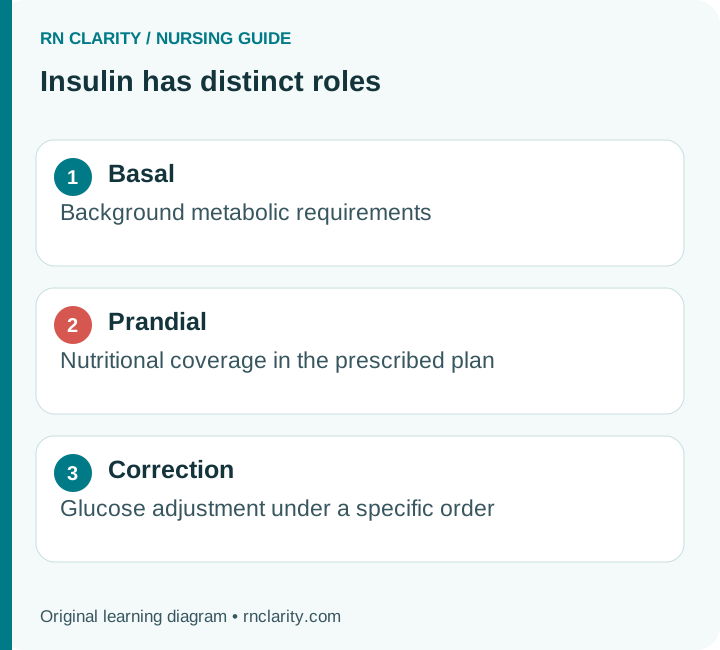
Once insulin replacement is required, basal insulin supports metabolic needs between meals and overnight. Prandial insulin addresses food-related needs, and correction insulin addresses glucose above the prescribed target. The components may be delivered by injections or a pump-based system, but the physiologic requirement for insulin remains.
The distinction becomes especially important during fasting, illness and care transitions. A person may not need the usual meal dose when not eating, yet still need basal insulin. The amount and delivery method may need adjustment by the treating team. An instruction to “hold all diabetes medicines because the patient is NPO” is therefore unsafe if it is applied without clarification to insulin-dependent type 1 diabetes.
Ask about the patient's usual regimen, backup plan and previous emergencies. Experienced patients often know their devices well, but hospitalization can change their ability to self-manage. Respect that expertise while following institutional assessment and documentation requirements. Collaboration is safer than either ignoring the patient's knowledge or assuming that self-management is always appropriate.
4. Type 2 Diabetes and Progressive Treatment Needs
Type 2 diabetes involves interacting problems with insulin action and secretion. The treatment plan may include nutrition, activity, medicines, technology and management of cardiovascular or kidney risk. Needing insulin does not mean that the person has failed, and it does not automatically change the diagnosis to type 1 diabetes.
Avoid moral language about glucose results. A value can reflect illness, treatment limitations, access barriers and many other factors. Ask what the person has been able to do and what makes the plan difficult. The goal is to identify a workable next step rather than assign blame.
Medication selection is individualized. Some agents are chosen partly for heart, kidney or weight-related benefits, while others may be limited by adverse effects, contraindications or cost. A universal sequence that treats every patient as identical does not reflect contemporary care. The nurse should understand why the actual regimen was chosen and what monitoring it requires.
For education, distinguish a long-term pattern from a single result. One elevated reading does not explain the entire course of disease, while a single in-range reading does not prove that treatment is consistently effective. Review trends, symptoms and the patient's daily circumstances with the team. This supports safer adjustments and more realistic goals.
5. Other Types and Situations That Need Clarification
Diabetes can occur in association with pancreatic disease, certain medications, genetic conditions and pregnancy. These situations may require different evaluation and management. A chart label should be reviewed when the clinical history does not fit or when the patient reports that the type has never been clearly explained.
Gestational diabetes has pregnancy-specific testing and management requirements. Do not apply the nonpregnant adult diagnostic table below to routine gestational screening. Similarly, pregnancy in someone with pre-existing diabetes requires coordinated specialist care and different goals. A general nursing guide can identify the need for that care without reproducing an incomplete obstetric protocol.
Glucocorticoids can raise glucose and may change the timing of elevations. Patients who did not previously need insulin may receive it temporarily during acute illness or medication treatment. Explain the current plan and follow-up rather than telling the person that a temporary inpatient insulin order proves permanent insulin dependence.
After acute illness, follow-up may be needed to distinguish established diabetes from stress-related hyperglycemia. The discharge plan should make that evaluation visible. A patient should not leave with a new label, a new medicine and no explanation of who will reassess the diagnosis or regimen.
6. Symptoms, Presentation and Initial Nursing Assessment
Common symptoms include thirst, increased urination, fatigue, blurred vision and recurrent infections or slow wound healing. Some people have few symptoms, especially when hyperglycemia develops gradually. Unexplained weight loss can be important, and acute illness with vomiting, abdominal pain, dehydration or altered consciousness requires evaluation for a metabolic emergency rather than routine teaching alone.
Assess the immediate condition first: responsiveness, breathing, circulation and concerning symptoms. Obtain glucose measurements according to the clinical situation and protocol. A person who is confused or collapsing needs prompt assistance, not a lengthy dietary history before care begins.
| Assessment area | Questions or observations |
|---|---|
| Current symptoms | What changed, when did it begin and how severe is it? |
| Intake and losses | Eating, drinking, vomiting, diarrhea and urine pattern |
| Medicines | Actual doses, timing, recent changes and missed access |
| Monitoring | Usual method, recent trends and device concerns |
| Safety | Ability to swallow, self-administer medicines and recognize symptoms |
| Context | Illness, procedures, activity, alcohol and support needs |
Document patient-reported information separately from measured findings. “The patient reports a low reading at home” is not the same as a confirmed current low value. Both can matter, but the distinction helps the team interpret the situation and avoid decisions based on an assumed measurement.
7. Diagnostic Criteria for Nonpregnant Adults
Diabetes diagnosis uses validated laboratory criteria, with confirmation when required. For nonpregnant adults, commonly used criteria include A1C of at least 6.5%, fasting plasma glucose of at least 126 mg/dL (7.0 mmol/L), or a two-hour plasma glucose of at least 200 mg/dL (11.1 mmol/L) during a standard 75-g oral glucose tolerance test. A random plasma glucose of at least 200 mg/dL with classic symptoms or a hyperglycemic crisis can establish diagnosis in the appropriate context. In the absence of unequivocal hyperglycemia, confirmatory testing is required. NIDDK: tests and diagnosis; ADA: 2026 diagnosis and classification.
| Test | Diabetes threshold in the stated adult context | Important distinction |
|---|---|---|
| Laboratory A1C | At least 6.5% | Conditions affecting red-cell biology can make interpretation unreliable. |
| Fasting plasma glucose | At least 126 mg/dL | Fasting means no caloric intake for at least eight hours. |
| Two-hour 75-g OGTT plasma glucose | At least 200 mg/dL | This is a standardized diagnostic test, not any post-meal reading. |
| Random plasma glucose with classic symptoms or crisis | At least 200 mg/dL | The clinical context is essential. |
A home meter or CGM trend can identify concern but should not be casually substituted for the formal diagnostic process. The nurse supports appropriate testing, explains preparation and communicates symptoms. Do not announce a new definitive diagnosis from a single incidental bedside result without the required clinical interpretation.
Prediabetes identifies an increased-risk range below diabetes thresholds; it is not a promise that progression will occur. Explain the follow-up and prevention plan without using fear or certainty. Patients need actionable support and a clear understanding of what the test means now.
8. A1C: Useful Average, Important Blind Spots
A1C reflects glycation of hemoglobin and provides information about recent longer-term glucose exposure. It does not show every high and low episode. Two people can have similar A1C values while one has relatively stable glucose and the other has frequent swings. This is why symptom history and glucose data remain important.
Conditions that alter red-cell turnover or the relationship between A1C and glucose can affect interpretation. The 2026 ADA diagnosis guidance advises using plasma glucose criteria in relevant situations, including some hemoglobin variants and conditions affecting red-cell turnover. Report known anemia, transfusion or other relevant context to the clinical team rather than assuming that an unexpected A1C is always a device or patient error.
Do not describe the A1C as a grade for behavior. A patient who hears “bad A1C” may be less willing to discuss missed meals, fear of hypoglycemia or inability to buy medicines. Explain that the result helps the team assess whether the plan needs adjustment.
For an assignment, identify whether A1C is being used for diagnosis or treatment monitoring. The diagnostic threshold and the individualized treatment goal answer different questions. A person with established diabetes who reaches a lower A1C has not necessarily had the diagnosis erased, and a lower target is not automatically safer for every patient.
9. Glucose Goals: Outpatient, Inpatient and Individualized
Targets depend on setting, treatment, hypoglycemia risk and patient circumstances. For many nonpregnant adults, commonly used outpatient goals include premeal glucose of 80–130 mg/dL and a post-meal peak below 180 mg/dL, but the prescribed goals may differ. Many adults using CGM have a target range of 70–180 mg/dL; the time-in-range goal must also be individualized. NIDDK: managing diabetes.
Hospital targets are not identical to outpatient targets. The 2026 ADA hospital guidance generally uses 140–180 mg/dL for most critically ill adults receiving treatment and 100–180 mg/dL for most noncritically ill adults when achievable without significant hypoglycemia. Persistent hyperglycemia at or above 180 mg/dL usually prompts treatment initiation or intensification in the specified hospital context. The treating team sets the actual orders and exceptions. ADA: hospital care, 2026.
The nurse should be able to answer: What target is ordered for this patient, how often should monitoring occur and what result requires action? If the order is unclear or inconsistent with the patient's situation, obtain clarification. Do not independently substitute a remembered outpatient range for an inpatient protocol.
Older adults, pregnancy, severe illness and high hypoglycemia risk require particular attention to individualization. A goal that is technically achievable may still impose excessive burden or risk. The clinical plan should balance benefit, safety and the patient's ability to carry it out.
10. Capillary Glucose Monitoring and Measurement Quality
Accurate monitoring begins with the correct patient, device and technique. Follow the meter's instructions and institutional quality-control process. Hand preparation, sample adequacy, strip storage and device maintenance can influence results. Do not assume that every unexpected value is physiologic before checking relevant measurement conditions.
When the result does not fit the patient's symptoms, assess the patient and follow the confirmation process. Poor peripheral perfusion and other conditions can affect point-of-care reliability. A critically ill patient may require a different sampling or laboratory approach according to the protocol. Verification should occur alongside urgent care when the person is unstable, not as a reason to delay assistance.
Record the time and relevant context, such as relation to a meal, insulin administration or symptoms. A value obtained before food is not interchangeable with one obtained after eating. The same applies to a result taken soon after hypoglycemia treatment versus a routine scheduled check.
Teaching should include demonstration, not only explanation. Ask the patient to show the steps with their actual device when feasible. Check whether vision, hand function, numeracy or supply cost creates difficulty. A monitoring plan is only useful if the person can perform it and knows what to do with the result.
11. Continuous Glucose Monitoring and Trend Interpretation
CGM measures glucose in interstitial fluid and displays values, trends and alerts according to the device. It can provide information that isolated fingersticks miss, but it is not an infallible direct measurement of blood glucose at every moment. Rapid change, sensor issues and device-specific limitations require attention.
Ask the patient what the arrows and alerts mean on their particular system. Do not assume that every manufacturer's display uses the same definitions or that a screenshot from one device teaches another. Follow instructions for confirmatory blood glucose testing when symptoms do not match or when the device requires it.
In hospital, personal CGM or automated insulin delivery may continue only under the appropriate clinical and institutional conditions. Staff need to know who is responsible for monitoring, how results are documented and which measurements guide treatment. A personal device does not remove the hospital's safety responsibilities.
- Value: What does the device show now?
- Direction: Is glucose changing, and how does the device represent that?
- Context: What food, insulin, activity or illness occurred?
- Agreement: Do symptoms and the reading fit?
- Action: Follow the individual's device and treatment plan.
Avoid encouraging constant unsupervised corrections for every fluctuation. Repeated dosing without accounting for insulin already active can create hypoglycemia. The prescribed system and education plan should explain how to respond, when to recheck and when to contact the team.
12. Hypoglycemia: Recognition and Severity
Hypoglycemia can cause sweating, shakiness, hunger, palpitations, confusion, behavior change, weakness or impaired consciousness. Symptoms vary, and some people have reduced awareness. A patient who is unusually confused or sleepy should not be assumed to be tired without appropriate assessment.
The ADA classifies level 1 hypoglycemia as glucose below 70 mg/dL but at least 54 mg/dL, level 2 as below 54 mg/dL and level 3 as a severe event requiring assistance because of altered mental or physical function, regardless of a specific measured value. The distinction matters: severity is not determined only by the number. ADA: glycemic goals and hypoglycemia, 2026.
Assess swallowing safety and consciousness before offering anything by mouth. A person who cannot safely swallow needs the emergency protocol and appropriate rescue treatment rather than oral juice or food. Obtain assistance and monitor according to the situation. Do not leave an impaired patient alone while searching for a snack.
After the immediate episode, investigate the circumstances. Insulin timing, delayed food, increased activity, alcohol, kidney changes and medication effects may contribute. The aim is to prevent recurrence and adjust the plan appropriately. Treating the number without reviewing the cause can leave the same risk in place for the next meal or night.
13. Treating and Rechecking Low Glucose
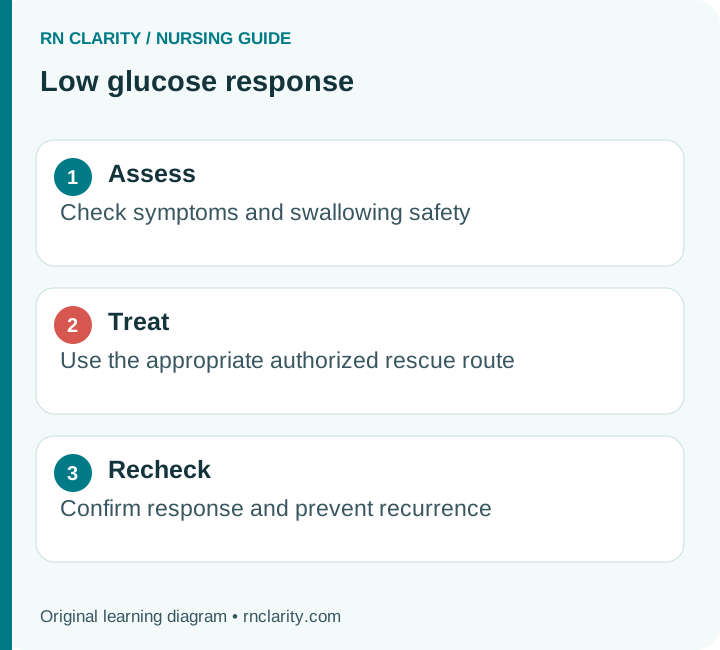
For an alert adult who can swallow safely, a common approach is 15 grams of fast-acting carbohydrate followed by a glucose recheck after 15 minutes, with repeat treatment if still low according to the plan. The person's individualized instructions, device system and clinical setting may modify the amount or approach. Use measured glucose products or another specified rapid carbohydrate source rather than assuming that any snack acts equally quickly. NIDDK: low blood glucose.
Severe hypoglycemia may require glucagon or intravenous dextrose according to authorized protocols and available access. Product formulations differ, so training must match the prescribed rescue product. A caregiver should know how to obtain emergency assistance and use the device they actually have.
Reassessment is essential. Improvement in behavior does not replace the required glucose recheck, and a corrected reading does not automatically establish that the risk has ended. Consider the duration of the contributing medication and whether further food, observation or clinical review is needed under the plan.
Document symptoms, measurements, treatment, timing and response. Inform the team so the regimen can be reviewed. A hypoglycemic event is useful information about the safety of the current plan, not evidence that the patient deserves blame. Repeated episodes require attention even when the patient has learned to manage them without outside help.
14. Hyperglycemia and When to Suspect a Crisis
High glucose may occur with insufficient insulin, illness, medication effects or other causes. The urgency depends on symptoms and context, not only the number. Vomiting, abdominal pain, marked dehydration, abnormal breathing, confusion or severe illness can indicate a metabolic emergency and require prompt evaluation.
Diabetic ketoacidosis involves ketone accumulation and metabolic acidosis in the setting of diabetes or hyperglycemia. Hyperosmolar hyperglycemic state involves severe hyperglycemia and hyperosmolality with substantial dehydration and without the same degree of significant ketoacidosis, although overlap can occur. Both require structured medical treatment and close monitoring.
A person taking an SGLT2 inhibitor can develop ketoacidosis without the very high glucose reading a learner might expect. Do not use a near-normal or moderately elevated glucose value to dismiss concerning symptoms. The clinical team determines the relevant ketone, electrolyte, acid-base and other testing.
This guide does not provide an unsupervised DKA or HHS infusion recipe. Fluids, insulin, potassium and other treatment decisions depend on the specific presentation and protocol. The nurse's immediate role is recognition, escalation, accurate monitoring and safe implementation of the ordered emergency plan.
15. Basal, Prandial and Correction Insulin
Basal insulin covers background needs, prandial insulin covers food-related needs and correction insulin addresses glucose above the prescribed range. A single injection may not reveal the whole purpose unless the order is clear. Some regimens use premixed formulations or pumps, so the nurse must identify the actual product and delivery plan.
For most noncritically ill hospitalized adults who are eating, the ADA favors an insulin plan with basal, prandial and correction components. With poor or absent intake, basal or basal-plus-correction treatment is commonly preferred. Prolonged correction-only treatment is discouraged except in selected mild situations. Type 1 diabetes requires a plan that maintains basal insulin, including during fasting and transitions. ADA: 2026 inpatient insulin recommendations.
| Component | Intended role | Safety question |
|---|---|---|
| Basal | Background metabolic need | Is the prescribed dose appropriate for the current situation and clearly ordered? |
| Prandial | Nutritional intake | Is food available, and what is the patient actually able to eat? |
| Correction | Glucose above the specified target | Is the current result and timing appropriate for the ordered scale? |
| Pump delivery | Programmed basal and bolus functions | Is the patient and device approved for current use, with a backup plan? |
Do not guess a dose from a general table when the individualized order is missing. Obtain clarification. Insulin is a high-alert medication, and concentration, units, route and timing must all be correct. Safe administration includes understanding why the dose is being given, not only matching a number on a screen.
16. Meal Timing, NPO Status and Interrupted Nutrition
A meal-related insulin dose and the actual delivery of food must be coordinated. A tray delay, nausea or a procedure can create a mismatch. Assess what the patient can eat and follow the specific insulin order and institutional policy. Do not assume that food is present because a meal appears on the schedule.
NPO status requires an explicit plan. Clarify which medicines continue, which change and how glucose will be monitored. The need for basal insulin in type 1 diabetes remains; the prescribing team determines adjustments. A patient should not have to choose between a fasting instruction and an unclear insulin instruction without help.
Enteral or parenteral nutrition interruptions can also change risk. If nutrition stops unexpectedly while insulin is active, follow the protocol promptly and inform the team. The record should make the interruption time and relevant insulin exposure visible. Waiting until the next routine glucose check may be unsafe in some circumstances.
For teaching, use an actual scenario: “Your procedure is delayed and you have not eaten. Which number will you call to confirm today's plan?” This is more useful than telling the patient to be careful. The answer should come from the written plan and care team's instructions, not an improvised rule that all insulin is omitted.
17. Insulin Administration, Concentrations and Storage
Confirm the insulin name, concentration, delivery device and prescribed units. Concentrated products and pens require product-specific handling. Do not transfer insulin from a pen into a syringe or convert a displayed pen dose into a different volume without an authorized product-specific process. The device is designed to deliver its labeled units when used correctly.
Injection-site assessment includes skin condition and evidence of repeated use of the same area. Teach site rotation within the recommended approach and avoid injecting into abnormal tissue unless the clinical plan specifically directs otherwise. Needle use and disposal should follow device instructions and infection-prevention practices.
Storage and beyond-use periods vary by formulation and device. Do not teach that every opened insulin lasts the same number of days or that every product has identical temperature limits. Read the current label and make the actual discard date understandable. Travel plans should protect insulin from inappropriate heat or freezing and preserve access to supplies.
Never share an insulin pen between patients, even if the needle is changed. Patient identification and dedicated devices are essential. Use required independent checks and institutional safeguards for high-alert medications. A familiar-looking pen is not sufficient evidence that it contains the correct insulin for the correct person.
18. Noninsulin Medicines: Understanding the Actual Regimen
Diabetes medicines work through different mechanisms and have different safety concerns. Metformin, sulfonylureas, DPP-4 inhibitors, GLP-1 receptor agonists, dual GIP/GLP-1 receptor agonists, SGLT2 inhibitors and other groups are not interchangeable. Selection depends on clinical goals, comorbidities, contraindications, tolerance and access.
The nurse should identify which medicines can cause hypoglycemia, which require attention during acute illness or fasting and which have product-specific administration requirements. A once-weekly injectable medicine is not insulin simply because it is injected. Confusing frequency or purpose can create significant harm.
| Review question | What it prevents |
|---|---|
| What is the exact product and indication? | Treating similar-looking medicines as equivalent |
| How often is it taken? | Daily-versus-weekly schedule errors |
| What changes during illness or a procedure? | Unclear withholding and restart instructions |
| What symptoms require contact? | Delayed recognition of adverse effects |
| Is it affordable and available? | A plan that exists only on paper |
Avoid independently stopping a medicine because a general rule seems relevant. Obtain the appropriate clinical decision and document the resulting plan. Conversely, do not administer a dose automatically when a new contraindication or serious symptom needs review. The safe response is a timely, specific clarification.
19. Sick-Day Planning and Access to Help
Illness can raise glucose while reducing food intake, so ordinary routines may no longer fit. A sick-day plan should explain monitoring, ketone testing when appropriate, insulin or medication adjustments, hydration compatible with comorbidities and the symptoms that require urgent help. It should be written before illness occurs whenever possible.
People using intensive insulin should not simply stop basal insulin because they are not eating. The 2026 ADA guidance emphasizes individualized instructions for illness and fasting to prevent ketoacidosis. Other medicines may require temporary withholding depending on the situation. The patient needs one coordinated plan rather than contradictory advice from several handouts. ADA: 2026 glycemic goals and crises.
Ask whether the person has a working meter or CGM backup, ketone supplies if prescribed, rescue treatment and enough medicine. Confirm the contact number and what to do after hours. A person living alone may need a different support plan from someone with an available trained caregiver.
Use teach-back: “If you are vomiting and cannot keep fluids down, what will you do?” The answer should identify the prescribed escalation route. Do not encourage waiting for a particular glucose value when severe symptoms already warrant care. The plan is intended to support timely help, not create an obstacle to it.
20. Nutrition, Carbohydrate Awareness and Practical Teaching
Nutrition planning should respect preferences, culture, budget, work patterns and other medical needs. There is no single meal pattern appropriate for every person with diabetes. The care team may use carbohydrate awareness, carbohydrate counting or another individualized approach depending on treatment and goals.
Carbohydrate counting requires more than recognizing that a food contains sugar. Portion size, total carbohydrate and the actual meal matter. If insulin is matched to carbohydrate intake, the patient needs training in the prescribed ratio and correction plan, including how to avoid overlapping doses. A general article should not assign a universal insulin-to-carbohydrate ratio.
Food insecurity changes medication safety. A person who cannot reliably obtain meals may be at risk when taking therapies that can cause hypoglycemia. Ask about access privately and without judgment. Involve the team in adapting the plan rather than simply advising the patient never to miss meals.
For a useful teaching exercise, review a meal the patient actually eats. Identify the portion, likely carbohydrate sources and how the prescribed plan applies. Ask the patient to explain the next step in their own words. This reveals practical understanding more effectively than asking whether they read a generic diet sheet.
21. Activity, Exercise and Glucose Safety
Physical activity can affect glucose during the activity and afterward. The direction and degree of change depend on the activity, available insulin, food, illness and other circumstances. A patient using insulin or a medication that can cause hypoglycemia needs an individualized plan for monitoring and prevention. Do not assume that every exercise session lowers glucose in the same way.
Ask what activity means in the patient's life. A physically demanding work shift, childcare, housework and planned exercise can all change needs. A person may report “no exercise” while spending hours walking at work. Recognizing that activity helps explain patterns that would otherwise appear unpredictable.
Teaching should include access to rapid carbohydrate or prescribed rescue treatment when relevant, identification and a plan for symptoms. A new exercise program may require clinical assessment, especially with cardiovascular symptoms, foot problems or other complications. The objective is safe participation, not avoidance of all movement because diabetes is present.
For pattern review, compare similar days. A low reading after a long shift may be more informative when compared with meal timing and medication exposure on a rest day. Record observations and discuss them with the team rather than inventing an unsupervised dose change. The patient should know which adjustments they are trained and authorized to make.
22. Foot Assessment and Daily Protection
Diabetes-related neuropathy can reduce protective sensation, while vascular disease can impair circulation. A person may therefore sustain an injury without feeling the expected pain. Daily inspection and timely reporting of new problems are important, but a normal-looking foot does not replace the prescribed professional examination.
Inspect the skin, between the toes, nails, footwear and areas exposed to pressure. Ask about numbness, burning, pain, changes in walking and prior ulcers or procedures. Assess pulses and sensation using appropriate training and tools. A formal risk assessment determines follow-up needs; not every patient has the same risk.
| Observation | Why it matters | Appropriate next step |
|---|---|---|
| New blister or open area | May progress, especially with reduced sensation or circulation | Protect and arrange prompt clinical review according to severity |
| Redness, warmth, swelling or drainage | Can indicate infection or another significant process | Assess and communicate promptly; do not rely on pain severity |
| New color or temperature change | May indicate a circulation problem | Obtain timely evaluation, urgently if acute or severe |
| Footwear rubbing | Repeated pressure can injure skin | Address fit and protection with appropriate support |
| Inability to see or reach feet | Self-inspection may not be feasible | Arrange an accessible method or patient-approved help |
Teach patients not to walk barefoot and to check footwear for objects or rough areas. Avoid self-treatment of corns or calluses with cutting instruments or caustic products. Patients with reduced sensation should avoid heating pads or hot-water exposure that can burn unnoticed. NIDDK: diabetes and foot problems.
A new wound deserves a specific plan. “Watch it” is not enough if the patient does not know what to observe or when to call. Explain the follow-up, protection measures and urgent warning signs. Document the finding and referral rather than assuming that another clinician has already seen it.
23. Kidney Health and Medication Implications
Diabetic kidney disease can develop without early symptoms. Blood and urine testing help identify changes, including estimated filtration and urine albumin assessment. The patient may feel well while a screening result warrants follow-up. Explain that the purpose of testing is to detect problems before symptoms become obvious. NIDDK: diabetic kidney disease.
Kidney function also affects treatment safety. Some medicines require dose adjustment or may not be appropriate at certain levels of function. Insulin requirements can change, and hypoglycemia risk may increase in relevant circumstances. The nurse should communicate current results and trends rather than assume that a longstanding dose remains suitable indefinitely.
Assess blood pressure, swelling, urine-related symptoms and the patient's overall condition as indicated. Do not conclude that every creatinine change is caused by diabetes; acute illness, volume changes and other conditions may contribute. The clinical team evaluates the cause and management.
When patients have both diabetes and heart or kidney disease, reconcile dietary and fluid instructions. A generic recommendation to drink large amounts during illness may conflict with an individualized restriction. The patient needs coordinated advice and a contact plan for uncertainty. Clear communication between teams is part of medication and self-management safety.
24. Eye Health, Neuropathy and Other Complications
Diabetes can affect the retina and other eye structures. Screening and follow-up should occur according to the individual's type of diabetes, duration and findings. Do not wait for obvious visual loss before reinforcing an eye-care referral. Sudden vision changes require timely evaluation rather than being dismissed as a routine effect of glucose fluctuation.
Neuropathy can affect sensation, pain and autonomic function. Ask about numbness, burning, balance problems and symptoms that affect daily activities. A patient with reduced sensation may need changes in footwear, mobility support and injury prevention. Painful symptoms and absent sensation can coexist in different areas.
Autonomic symptoms may involve gastrointestinal, cardiovascular, bladder or sexual function. These concerns can be difficult to disclose, so use respectful, direct questions when relevant. Avoid assuming that every symptom is diabetic neuropathy; clinical evaluation may identify another cause that requires different treatment.
For learning, distinguish a complication from its nursing consequence. Neuropathy is a medical problem; inability to detect a foot injury, unsafe walking or difficulty managing a device are care needs that can be assessed and addressed. This distinction helps create a patient-specific plan rather than a list of disease names.
25. Cardiovascular Risk and Whole-Person Care
Diabetes care includes blood pressure, lipids, tobacco exposure, kidney health and cardiovascular symptoms, not glucose alone. A patient can have an improved glucose trend while other risks remain untreated. The nurse should understand the purpose of the complete regimen and support the agreed follow-up.
Some glucose-lowering medicines have evidence-based cardiovascular or kidney indications in selected patients. This means that a prescribing decision may not be driven solely by A1C. Conversely, the presence of a benefit in one population does not make a medicine appropriate for every patient. The current guideline, label and clinical assessment determine use.
Ask about chest discomfort, breathlessness, activity changes and other relevant symptoms. Do not assume that a person with neuropathy will always have a classic symptom pattern. Concerning acute symptoms require the appropriate emergency assessment regardless of the most recent glucose value.
Support realistic prevention goals. If a patient wants to stop smoking, connect them with evidence-based help and the treating team's plan. If medication cost forces choices between prescriptions, make that conflict visible. A care plan that optimizes one number while ignoring access to the rest of treatment is incomplete.
26. Infection, Wounds and Skin Assessment
Assess new wounds, injection sites, device sites and symptoms of infection in the context of the patient's condition. Hyperglycemia can accompany illness, but a high glucose reading does not identify the infection source. A person may need focused examination and diagnostic testing based on symptoms and findings.
For wounds, document location, dimensions when appropriate, tissue appearance, drainage, surrounding skin and pain or altered sensation. Use the institution's wound-assessment process and appropriate referral. Do not label a wound infected solely from a photograph or select an antibiotic from a general study table.
Device-related skin irritation can interfere with CGM or pump use. Ask whether the patient has removed devices because of discomfort or skin problems. This may explain a gap in monitoring or insulin delivery. Arrange appropriate assessment and an alternative plan rather than assuming that the person chose not to use the device.
Infection prevention includes dedicated lancet devices and insulin pens, safe sharps disposal and proper hand hygiene. Changing a needle does not make a shared pen safe. FDA guidance specifically warns against sharing multidose diabetes pen devices between people. FDA: pen-device safety.
27. Older Adults, Cognition and Treatment Burden
Older adults vary widely in function, health and support. Age alone does not determine the appropriate target or regimen. Assess cognition, vision, dexterity, falls, eating patterns and ability to recognize and respond to hypoglycemia. A previously manageable plan may become unsafe after an illness or functional change.
The 2026 ADA older-adult guidance supports individualized goals and consideration of simplifying or deintensifying treatment when burden or risk outweighs benefit. This is a clinical decision made with the patient and appropriate care partners, not an automatic withdrawal of treatment at a certain birthday. ADA: older adults, 2026.
Ask the patient to demonstrate the actual task. Can they read the dose, attach the needle, interpret the result and remember whether a dose has already been taken? A verbal statement that they manage independently may miss a difficulty that becomes apparent during demonstration.
If assistance is needed, determine who can provide it and with what training. Do not assume that a relative is available every day. The discharge setting must be able to deliver the prescribed plan safely. Document the required support and communicate it before the patient leaves.
28. Diabetes Distress and Respectful Communication
Diabetes can require repeated decisions throughout the day. People may experience frustration, fear of complications, alarm fatigue or exhaustion from monitoring and treatment. Diabetes distress is not the same as unwillingness to care for oneself. Ask what feels hardest and what the person would most like help with.
The ADA's 2026 guidance places psychosocial care within routine diabetes management. Use a collaborative, culturally informed approach and refer according to findings and local practice. A patient should be able to disclose emotional difficulty without losing access to respectful clinical care. ADA: health behaviors and well-being.
Avoid using glucose data as surveillance or a test of honesty. Ask permission to review patterns and explain the purpose. A useful question is, “What was happening on the days these lows occurred?” This invites context that can improve the plan.
Set a small, concrete goal when the person feels overwhelmed. Learning to recognize one urgent symptom or arranging one missing supply may be the most valuable step today. Education can continue over time. A long list of tasks delivered without checking readiness may increase burden without improving safety.
29. Health Literacy, Numeracy and Accessible Teaching
Health literacy is not reliably predicted by education level, appearance or occupation. Use clear language, demonstrate tasks and ask the patient to explain the plan in their own words. Teach-back evaluates the explanation and shared understanding; it should not feel like an examination of intelligence.
Numeracy matters when reading glucose units, measuring carbohydrate or following an insulin schedule. Confirm whether the patient uses mg/dL or mmol/L and ensure that all written instructions are consistent. A misplaced unit can create confusion even when the number itself was copied correctly.
Provide accessible formats for visual, hearing, language or cognitive needs. Use qualified interpretation when required rather than relying on a child or an untrained bystander for complex medication instructions. A large-print schedule, an appropriate device or supervised practice may be more useful than another standard leaflet.
Teach one skill at a time, then connect the skills into a daily routine. For example: obtain the result, identify whether it fits the prescribed range, find the relevant instruction and explain when to ask for help. This sequence makes the plan actionable and exposes missing steps before the patient is alone at home.
30. Discharge and Transition Checklist
Discharge readiness includes the ability to use the plan, not merely the presence of a prescription. Confirm the actual medicine and device supply, monitoring method, hypoglycemia treatment, follow-up and contact information. A patient newly starting insulin needs practical teaching and a plan for questions after discharge.
- Know: The diagnosis, purpose of medicines and individualized targets.
- Do: Demonstrate monitoring and medication administration.
- Recognize: Identify low glucose and concerning illness symptoms.
- Respond: Explain the rescue and contact plan.
- Obtain: Confirm medicines, supplies, food and follow-up access.
Reconcile the home regimen with the discharge regimen, including stopped medicines and changed doses. A temporary hospital plan may not be the intended outpatient plan. Clarify what happens to an old sliding scale, pump setting or weekly injection schedule rather than assuming that the patient will infer the change.
Communicate pending tests and reassessment needs to the next clinician. If diabetes type or stress hyperglycemia requires follow-up, state that clearly. If the patient cannot safely self-administer treatment, arrange the appropriate level of support before discharge. An unresolved safety gap should remain visible until someone takes responsibility for it.
31. Nursing Care Plans with Measurable Outcomes
Build the care plan from actual findings. A person with diabetes may have immediate hypoglycemia risk, a wound, difficulty using a device or uncertainty about a new regimen. Those needs are different and should not receive identical interventions simply because the medical diagnosis is the same.
| Assessment finding | Goal example | Intervention focus | Evaluation method |
|---|---|---|---|
| Recurrent lows after delayed meals | Uses a coordinated meal and medication plan | Review timing, teach recognition and obtain regimen review | Compare episodes and demonstrated response |
| Difficulty reading the pen display | Can administer the prescribed dose with suitable support | Assess vision, device suitability and assistance | Observe a safe demonstration |
| New foot wound | Receives timely evaluation and follows protection instructions | Assess, communicate, protect and arrange follow-up | Review wound plan and patient explanation |
| Missing monitoring supplies | Has a feasible monitoring method before discharge | Coordinate pharmacy and support services | Confirm actual supply and use |
| Unclear sick-day instructions | Explains what to do during vomiting or fasting | Develop and teach the individualized plan | Use a scenario-based teach-back |
A rationale explains why an action addresses the finding. “Monitor glucose” becomes more meaningful when connected to an identified risk, such as interrupted nutrition with insulin active. Evaluation should then show whether monitoring led to recognition and appropriate action, not simply that a box was checked.
Use standardized nursing-diagnosis terminology only as required by the program or institution and verify it in the current licensed reference. The examples here describe care needs without inventing official codes. The patient's evidence should support any label selected for a formal care plan.
32. Worked Example: Converting Glucose Units
Glucose may be reported in mg/dL or mmol/L. For ordinary clinical conversion, divide mg/dL by approximately 18 to obtain mmol/L; multiply mmol/L by approximately 18 to obtain mg/dL. This conversion applies to glucose, not to every laboratory substance. Always identify the analyte and units before calculating.
Fictional example: A glucose result is 180 mg/dL. Dividing 180 by 18 gives approximately 10 mmol/L. A result of 3.9 mmol/L multiplied by 18 gives approximately 70 mg/dL. Rounding explains why displayed equivalents may not be perfectly exact.
The calculation does not tell you what treatment to give. Interpretation still requires the patient's setting, symptoms and ordered target. A result near a threshold should be handled according to the actual device or laboratory report and protocol, not manipulated through repeated rounding to avoid an action requirement.
For documentation, preserve the original reported units. If an equivalent is added for education, label it as approximate and keep the original value visible. A handoff that says only “glucose is ten” can be dangerous when the receiving person assumes a different unit system.
33. Worked Example: Reading a Prescribed Carbohydrate Ratio
Fictional arithmetic exercise only. Suppose a clinician has prescribed one unit of a specified mealtime insulin for each 15 grams of carbohydrate, and the planned meal contains 60 grams. The carbohydrate component is 60 divided by 15, or four units. This example teaches division within an already prescribed plan; it does not recommend that ratio for a patient.
The real administration decision also requires the current order, glucose information, correction instructions, insulin already active, meal availability and any relevant clinical change. Do not add a correction dose unless it is part of the prescribed plan. Do not round a fractional dose according to an invented rule; the device and order determine permitted increments.
If the patient cannot finish the meal, the response depends on the regimen and timing. A nurse should not assume that the original arithmetic remains safe simply because it was mathematically correct. Clinical context is part of medication safety.
Ask a learner to identify which facts are given and which are missing before calculating. This prevents a common error: treating a number problem as if it supplies a complete prescription. In practice, a missing ratio, unclear concentration or changed nutrition plan requires clarification rather than creative completion.
34. Worked Example: Finding a Pattern in a Glucose Log
Fictional learning log. A patient records several low readings late in the afternoon on workdays, while readings on days off are different. The patient works an active shift and often eats lunch later than planned. The medication schedule is unchanged across the week.
| Information to compare | Reason for reviewing it |
|---|---|
| Timing of meals | Delayed carbohydrate intake may contribute to a mismatch. |
| Medication timing | Helps identify which treatment may still be active. |
| Activity level | Work may add substantial physical demand. |
| Symptoms and treatment | Shows recognition, severity and response. |
| Kidney function or recent illness | May reveal additional changes affecting treatment needs. |
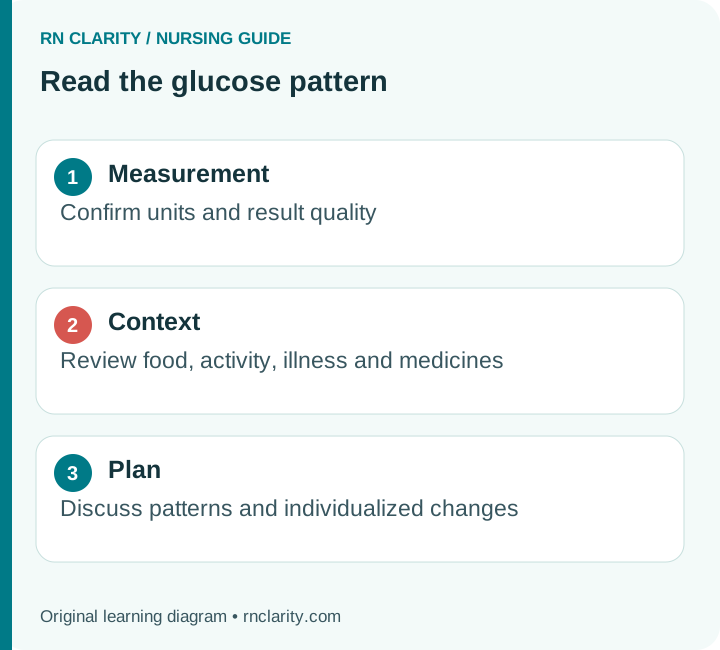
The nurse should not conclude that the patient needs a particular dose reduction from this limited log. Instead, summarize the pattern and arrange review with the treating team. The patient may need a revised schedule, food-access plan, medication adjustment or additional monitoring.
The educational value lies in connecting data with daily life. A log is not merely a collection of numbers to be judged as good or bad. It can reveal why a reasonable-looking prescription is difficult to use safely in the person's actual routine.
35. Case Study: A Meal Is Delayed After Insulin
Fictional learning scenario. A patient has received prescribed mealtime insulin, but the tray is delayed. The patient then reports shakiness and difficulty concentrating. The nurse notices that the symptoms began after the planned meal time.
Assess immediately and obtain glucose information according to the protocol while preparing the appropriate response. Swallowing safety and level of consciousness determine whether oral treatment is suitable. Do not wait for the tray to arrive as the only intervention, and do not leave the patient unattended if impaired.
After treatment and reassessment, review the sequence: glucose check, insulin administration, tray availability and symptom onset. Communicate the event so the meal-and-medication process can be corrected. The purpose is to prevent recurrence, not to decide which person deserves blame before the patient is safe.
Clinical judgment: The new symptoms change the priority. The nurse recognizes a possible treatment-nutrition mismatch but still verifies the current condition. A documented insulin dose does not prove the cause of every symptom, yet it is highly relevant context for prompt assessment.
Evaluation: Record the response, required rechecks and the revised plan for subsequent meals. Confirm that the patient understands how to report symptoms early. Successful care includes both immediate correction and improvement in the process that created the risk.
36. Case Study: Type 1 Diabetes and a Procedure
Fictional learning scenario. A patient with type 1 diabetes is fasting for a procedure. The patient asks whether all insulin should be skipped because breakfast is not allowed. The written instructions are unclear about basal insulin.
The nurse obtains a clear individualized plan from the treating team. Basal insulin is not simply omitted in type 1 diabetes because food is withheld. The dose or delivery may need adjustment, and monitoring must be specified. Meal-related insulin requires separate consideration from background insulin.
Review the procedure timing, current glucose, usual regimen and any pump or automated delivery system. If the procedure is delayed, the plan may need further review. The patient should know whom to contact rather than repeatedly guessing whether to take a dose.
Clinical judgment: The key distinction is between nutritional coverage and the ongoing metabolic need for insulin. A correct fasting instruction can become unsafe when interpreted as a medication instruction that it did not actually provide.
Evaluation: Ask the patient to explain the clarified schedule and monitoring plan. Ensure that the procedural team and receiving unit have the same information. A safe transition includes continuity of insulin delivery and responsibility for reassessment, not merely a note that the patient is NPO.
37. Case Study: Vomiting with a Modest Glucose Reading
Fictional learning scenario. A patient taking an SGLT2 inhibitor reports persistent vomiting, abdominal discomfort and marked illness. The glucose reading is not extremely high, so the patient believes a diabetes emergency is impossible.
The nurse recognizes that the reading does not exclude ketoacidosis in this context and arranges prompt clinical evaluation according to the symptoms and setting. Assess immediate stability and communicate the medication, intake, symptoms and timing. The team determines ketone and acid-base testing and treatment.
Do not diagnose ketoacidosis from the symptom list alone, but do not provide false reassurance from the glucose value. Both errors can delay appropriate care. The medication history is a cue that changes how the result should be interpreted.
Clinical judgment: A familiar threshold can become a trap when the clinical condition has an important exception. The safer reasoning is to integrate the whole presentation and recognize that some emergencies do not follow the expected textbook number pattern.
Evaluation: Confirm that the patient reaches the appropriate level of care and that the subsequent medication plan is clear. After recovery, review the individualized sick-day instructions and contact route. The lesson is not to fear the medicine, but to recognize relevant symptoms and respond promptly.
38. Case Study: A Foot Injury Without Pain
Fictional learning scenario. During an assessment, the nurse finds a new open area on the plantar foot. The patient is surprised because it does not hurt. The patient reports longstanding numbness and recently began wearing a new pair of shoes.
Assess the wound and surrounding tissue, circulation and other relevant findings using the local process. Arrange timely clinical evaluation and protection. The absence of pain is not reassuring when protective sensation is reduced. Do not encourage the patient to continue walking on the area without an appropriate plan.
Explore the footwear and the patient's ability to inspect the feet. A mirror, an accessible device or help from an approved caregiver may be useful, but the approach must be feasible. The patient may need specialist foot care and a more detailed risk assessment.
Clinical judgment: The assessment identifies a mismatch between injury severity and perceived symptoms. Pain is one source of information, not a required condition for a clinically important wound. The nurse should explain this without frightening the patient with an inevitable amputation narrative.
Evaluation: Verify the follow-up, protection instructions and understanding of warning signs. Document the actual findings and plan. A leaflet about foot care is not sufficient if the current wound has no assigned clinical review.
39. Case Study: A Device the Patient Cannot Read
Fictional learning scenario. A patient scheduled for discharge says they can manage a new insulin pen. During demonstration, the nurse sees that the patient cannot reliably read the dose display and has difficulty distinguishing two pens.
Pause the discharge teaching process and assess the specific barrier. The solution may involve a different device, clearer organization, additional training or reliable assistance, with the prescribing and pharmacy team involved. Do not assume that repeating the same instructions more loudly will solve a visual problem.
Compare the proposed regimen with the patient's actual abilities and home support. A person may have managed an older device successfully but struggle with the new one. The assessment should be respectful and focused on safety rather than framed as a loss of independence without discussion.
Clinical judgment: Self-reported confidence and demonstrated ability provide different information. A practical demonstration can reveal a risk before an incorrect dose occurs. This is why discharge readiness cannot be assessed solely by asking, “Do you understand?”
Evaluation: Observe safe use of the final arrangement and confirm that supplies are available. Document who will help, if assistance is required, and how follow-up will occur. The plan is complete when the task can be performed safely in the intended setting.
40. Case Study: Recurrent Lows and Fear of Sleep
Fictional learning scenario. A patient reports several nighttime low-glucose episodes and now deliberately keeps glucose higher because of fear of sleeping. The patient has not told the clinician because they expect to be criticized for the higher readings.
Acknowledge the concern and assess the episodes, symptoms, treatment and available data. Arrange review of the regimen and monitoring plan. The fear is connected to a real safety experience and should not be dismissed as irrational or treated only as a motivation problem.
Discuss rescue treatment, alerts and support according to the individualized plan. The patient may need education, device adjustment or medication review, but the nurse should not prescribe an arbitrary bedtime target. The treating team balances prevention of hypoglycemia with the broader goals.
Clinical judgment: A higher glucose pattern can be a response to fear of lows rather than lack of knowledge. Asking about the reason reveals the problem that must be addressed. Judgmental language could conceal the very information needed to make treatment safer.
Evaluation: Confirm that the patient knows how to obtain help and has a clear revised plan. Follow up on both glucose events and confidence in managing them. The desired outcome includes fewer dangerous episodes and a plan the patient feels able to use.
41. Original Practice Questions and Rationales
These are original educational questions, not actual NCLEX examination items. Focus on the reason for the answer and the information that would be needed in real care.
A patient is confused and cannot swallow safely. Should oral juice be offered for suspected hypoglycemia?
No. Assess immediately, obtain help and follow the emergency hypoglycemia protocol using an appropriate route. Giving food or fluid by mouth to someone who cannot swallow safely creates an aspiration risk. The patient's consciousness and airway safety determine the route, while the protocol guides rescue treatment and reassessment. Do not delay assistance while looking for an oral snack.
A patient with type 1 diabetes is NPO. Which distinction matters most?
Basal insulin and meal-related insulin serve different purposes. Fasting does not remove the need for basal insulin in type 1 diabetes, although the prescribed dose or delivery plan may require adjustment. Obtain clear orders and monitoring instructions. A blanket instruction to omit all insulin can create a dangerous gap in insulin availability.
Why is a two-hour OGTT result different from a reading after an ordinary meal?
The oral glucose tolerance test uses a standardized glucose load and testing conditions for diagnosis. An ordinary meal varies in composition and amount and does not reproduce that test. Both results can provide useful information in their proper context, but they should not be treated as interchangeable diagnostic measurements. Confirm which test was actually performed.
A patient has an in-range A1C but recurrent lows. Is the plan necessarily safe?
No. A1C does not show every episode or the degree of glucose variability. Recurrent hypoglycemia requires review even when the average appears acceptable. Ask about timing, severity and treatment and communicate the pattern. The goal is safe individualized management, not achieving a lower average at the expense of dangerous episodes.
Can two patients share an insulin pen if the needle is changed?
No. Insulin pens must be dedicated to one person. Changing the needle does not remove the risk associated with sharing the device. Use patient identification, storage and labeling safeguards and follow infection-prevention policy. A pen that looks identical to another patient's pen is not evidence that it can be used interchangeably.
A CGM reading does not match the patient's symptoms. What should happen?
Assess the patient and follow the device and clinical protocol for confirmation and action. Do not dismiss significant symptoms solely because of the display. In hospital, confirmatory point-of-care measurements are required under the relevant institutional approach for insulin dosing and hypoglycemia assessment. Device information supports care but does not replace clinical assessment.
What is missing from a discharge plan that lists medicines but no supplies?
The patient may be unable to administer treatment or monitor safely. Confirm the actual device, needles or other supplies, monitoring method, rescue treatment and access. A prescription alone does not establish that the patient can obtain or use it. Demonstration and a feasible supply plan are part of discharge readiness.
Why should a painless foot wound still be taken seriously?
Reduced protective sensation can prevent the patient from feeling an injury. The absence of pain therefore does not establish that the wound is minor. Assess the actual tissue and circulation findings, arrange appropriate review and protect the area according to the plan. Teach inspection and timely reporting without suggesting that severe complications are inevitable.
Does a modest glucose value exclude DKA in an ill person taking an SGLT2 inhibitor?
No. Ketoacidosis can occur without marked hyperglycemia in this context. Concerning symptoms require prompt clinical evaluation, including the tests selected by the treating team. Do not diagnose from the drug history alone, but do not give false reassurance from the glucose value. The whole presentation determines urgency.
Which teaching statement is most useful for a patient with food insecurity?
“Let us work out how your medicine plan can remain safe when meals are difficult to obtain.” This identifies a practical risk and invites a solution. Simply insisting on regular meals does not create access to food. Involve appropriate support and the prescribing team and confirm the resulting plan with the patient.
42. Frequently Asked Questions
What is the main difference between type 1 and type 2 diabetes?
Type 1 diabetes usually involves autoimmune loss of insulin-producing cells, while type 2 diabetes involves insulin resistance and impaired insulin secretion. Both require individualized care and can occur outside stereotypical age groups. A clinician may need additional testing when classification is uncertain. Treatment with insulin alone does not determine the type, and neither diagnosis should be assigned from appearance.
What are the most important nursing responsibilities in diabetes?
Assess the patient, recognize glucose-related emergencies, administer medicines safely, coordinate treatment with nutrition, monitor response and support practical self-management. Complication prevention, foot assessment, discharge planning and access to supplies also matter. The priority depends on the current situation: an acute low-glucose event requires a different response from a stable patient learning a new device.
What glucose level counts as hypoglycemia?
Below 70 mg/dL is the usual alert threshold in diabetes care, with below 54 mg/dL representing a more clinically significant biochemical level. A severe event is defined by the need for assistance because of impaired function, not solely by a measured number. Follow the patient's protocol and assess symptoms and swallowing safety promptly.
Is the 15–15 approach suitable for every low-glucose event?
No. It is a common approach for an alert person who can swallow safely, but severe impairment requires a different rescue route. Individual plans and some device-based regimens may use different carbohydrate amounts. Follow the prescribed instructions and recheck as directed. A person who cannot swallow safely should not receive oral food or drink.
Should insulin be stopped when a person is not eating?
Not automatically. Basal insulin remains necessary in type 1 diabetes, while meal-related doses and other treatment may need adjustment. The treating team should provide clear fasting or sick-day instructions. The safe plan distinguishes insulin components, specifies monitoring and explains when to contact the team. Avoid applying one rule to every medicine and every type of diabetes.
Can diabetes be diagnosed from a home glucose meter?
A home reading can identify a concern and prompt evaluation, but formal diagnosis uses the appropriate laboratory criteria and clinical interpretation. Confirmation is needed in many situations. Do not substitute an ordinary post-meal reading for a standardized glucose tolerance test or announce a diagnosis from an incidental value without the required assessment.
Why can glucose change during illness even when less food is eaten?
Illness can increase counterregulatory stress responses and insulin needs while intake decreases. This creates a situation in which both high and low glucose risks may require attention depending on treatment and intake. A sick-day plan coordinates monitoring, medicines, fluids and escalation. Severe symptoms should prompt care rather than waiting for a particular number.
How should an insulin pen be stored after opening?
Storage conditions and the usable period vary by the exact product and device. Consult the current label and record a clear discard date. Do not assume that every insulin has the same room-temperature duration or can tolerate the same heat exposure. Protect supplies during travel and make sure the patient knows the instructions for their own product.
Does a person with diabetes need a special diet forever?
The person needs an individualized nutrition plan that supports health and fits treatment, preferences and circumstances. There is no single menu for everyone. Carbohydrate awareness may be important, especially when matching insulin to food, but teaching should also address portion size, access and other medical needs. A dietitian or diabetes educator can help translate goals into everyday meals.
How can nurses tell whether diabetes teaching worked?
Use demonstration and teach-back. Ask the patient to show monitoring, identify the correct medicine and explain what to do for a low reading or illness. Confirm supplies and support as well as knowledge. A signed education form or a statement that a leaflet was read does not establish that the person can safely perform the required tasks.
43. Using Diabetes Evidence in Assignments
Begin by defining the population and setting. A recommendation for a nonpregnant outpatient adult may not apply to pregnancy, children, intensive care or a hyperglycemic crisis. The same number can represent a diagnostic threshold, a treatment target or an emergency trigger, so label its purpose explicitly.
When discussing a medicine, cite the current guideline for its place in therapy and the product information for specific administration or safety instructions. Do not assume that every member of a class has identical indications, dosing, renal criteria or device instructions. A class summary is useful for learning but is not a complete prescribing reference.
Distinguish original teaching cases from research evidence. The fictional cases in this guide illustrate reasoning; they do not prove that an intervention changes outcomes. If an assignment needs an effect size, retrieve the actual study and report the population, comparison and endpoint accurately. Do not invent statistics or use a case's imagined outcome as evidence.
For a nursing care-plan assignment, connect each intervention with a documented finding and an evaluation method. If the problem is inability to obtain supplies, another explanation of physiology does not directly solve it. If the problem is recurrent hypoglycemia, a lower A1C is not the only relevant outcome. Good reasoning makes the relationship between the problem, action and evaluation visible.
Practice next: Apply these ideas with the clinical judgment learning pathway and the practice-question study guide.
44. References and Source Notes
- ADA: Diagnosis and Classification of Diabetes—2026. Current classification and diagnostic framework.
- ADA: Glycemic Goals, Hypoglycemia and Hyperglycemic Crises—2026. Individualized goals, hypoglycemia definitions and illness-related safety.
- ADA: Diabetes Care in the Hospital—2026. Inpatient targets, insulin components and technology safeguards.
- ADA: Diabetes Technology—2026. Monitoring and device-use recommendations.
- ADA: Pharmacologic Approaches to Glycemic Treatment—2026. Individualized medication selection; product labels supply additional drug-specific instructions.
- ADA: Older Adults—2026. Goals, function and treatment burden in older adults.
- ADA: Positive Health Behaviors and Well-being—2026. Psychosocial and person-centered care.
- NIDDK: Symptoms and Causes of Diabetes, tests and diagnosis and managing diabetes. Foundational explanations for patient teaching.
- NIDDK: Low Blood Glucose, foot problems and diabetic kidney disease. Recognition, self-management and complication-prevention resources.
- FDA: Diabetes Pen Devices Must Not Be Shared and insulin education. Device and administration safety.
This guide is for nursing education and original exam-style practice. It is not an individualized medication order or official NCLEX content. Use the patient's condition, current orders, product instructions, local protocols and professional scope for clinical care.