Heart Failure Nursing Guide: Pathophysiology, Assessment, Medications, Care Plans and NCLEX Review
Study heart failure nursing care with current 2026 context, congestion and perfusion assessment, medication safety, care plans and original cases.
1. Quick Answer and Essential Facts
Heart failure is a clinical syndrome in which an abnormality of cardiac structure or function contributes to symptoms, signs and objective evidence of impaired cardiac performance or congestion. It does not mean that the heart has stopped. A patient may have difficulty ejecting blood, filling appropriately or both. Nursing care connects the patient's breathing, circulation, fluid balance, function, medication response and ability to manage treatment outside the hospital.
The immediate priority is to recognize instability. Severe new breathlessness, impaired consciousness, concerning chest discomfort, signs of shock or rapidly worsening perfusion require urgent evaluation and the appropriate emergency response. A routine daily weight, medication teaching session or complete care-plan form should never delay that response.
| Essential question | Practical answer |
|---|---|
| Can heart failure occur with a preserved ejection fraction? | Yes. Ejection fraction alone cannot exclude the syndrome. |
| Does every patient have visible edema? | No. Symptoms and signs vary, and congestion can occur without obvious ankle swelling. |
| Is a diuretic the whole treatment plan? | No. Relief of congestion and therapies that improve longer-term outcomes have different roles. |
| What should the nurse trend? | Symptoms, function, respiratory and circulatory findings, weight, intake and output when indicated, and relevant laboratory results. |
| Can patients stop treatment after improvement? | They should not stop prescribed therapy without clinical review; improvement does not automatically remove ongoing risk. |
| Are fluid and sodium limits identical for everyone? | No. The treating team individualizes the plan and explains it in usable terms. |
This guide focuses on adult nursing education. It covers stable chronic care, recognition of deterioration and the nursing contribution to treatment, rather than providing independent prescribing instructions. Cases and learning diagrams are original fictional teaching materials. Use current orders, institutional protocols and professional scope for actual care.
Go deeper: Build the foundation with medical surgical nursing made simple, nclex rn pharmacology guide, fluid and electrolyte imbalances.
2. What Changed in Heart Failure Guidance for 2026?
Learners will encounter several overlapping documents. The 2022 AHA/ACC/HFSA management guideline and the 2024 ACC pathway for reduced-ejection-fraction treatment remain important clinical references. In June 2026, an international second universal definition refined terminology, staging and trajectories. Its three broad categories emphasize reduced, preserved and improved ejection fraction rather than relying exclusively on fixed numerical boundaries. A separate 2026 ACC pathway addresses preserved-ejection-fraction management. These documents answer related but different questions: defining a syndrome is not the same as replacing every treatment recommendation or drug-label eligibility criterion. AHA: 2026 definition.
For study and documentation, report the actual measured ejection fraction, the clinical diagnosis and the reference framework being used. Do not silently reinterpret an older trial population using newer terminology. A question that explicitly refers to the 2022 management guideline may still use its numerical categories, while a discussion of the 2026 definition should acknowledge the newer approach.
The practical lesson is continuity with greater precision. The nurse still assesses the person, recognizes deterioration, monitors treatment and supports self-management. Updated terminology should improve communication about cause and trajectory, not create a reason to dismiss symptoms because a number does not fit a memorized box.
3. Cardiac Pumping, Filling and Circulation
The right side of the heart sends blood through the pulmonary circulation, and the left side sends blood into the systemic circulation. These circuits operate in series. A problem affecting one side can influence the other, so bedside findings are often mixed rather than neatly separated into a right-sided or left-sided list.
Stroke volume is the amount ejected with a beat. Heart rate multiplied by stroke volume gives cardiac output. This relationship is useful for reasoning, but a fast pulse does not guarantee adequate output. If filling is poor or contraction is ineffective, increasing the rate may not restore useful circulation. Similarly, a normal blood pressure does not prove that every organ is receiving adequate perfusion.
Preload describes conditions related to ventricular filling before contraction; it is not simply a synonym for total body water. Afterload describes the load against which a ventricle ejects. Contractility refers to the muscle's intrinsic ability to generate force under specified conditions. These concepts help explain why treatment may address pressure, volume, rhythm and myocardial function through different mechanisms.
- Filling: Blood enters the ventricles under the influence of pressure, compliance and timing.
- Ejection: Ventricular contraction moves blood into the pulmonary and systemic circuits.
- Delivery: Circulation supports oxygen and nutrient delivery to tissues.
- Feedback: Kidney, vascular and hormonal responses alter subsequent filling and resistance.
Consider a fictional patient with breathlessness, edema and fatigue. Breathlessness may suggest pulmonary congestion, edema may suggest systemic fluid accumulation and fatigue may reflect reduced exercise tolerance. These observations are connected, but none independently measures cardiac output or establishes the cause. Clinical assessment and diagnostic evaluation bring the pattern together.
4. Why Compensation Can Become Harmful
When effective circulation is threatened, neurohormonal responses can help maintain perfusion in the short term. Sympathetic activation raises heart rate and vascular tone. Renin-angiotensin-aldosterone activity promotes vasoconstriction and sodium retention. These responses can become maladaptive when sustained, increasing workload and contributing to congestion and structural change.
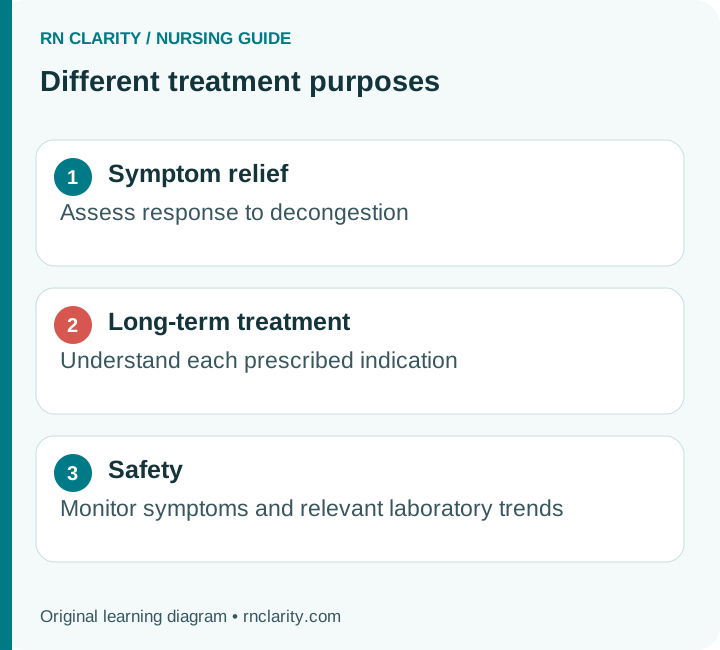
This explains why treatment is not limited to removing excess fluid. Some medications modify pathways involved in disease progression, while diuretics primarily relieve fluid-related symptoms. The patient may not feel an immediate improvement from every disease-modifying medicine, yet it may still have an important role in the prescribed plan.
For teaching, avoid describing the kidneys as simply “failing to understand” the heart. Their responses are physiologic signals that can be inappropriate in the chronic disease context. Also avoid assuming that all edema means low circulating volume or that all patients need more fluid because renal function changes. A person can have congestion and impaired kidney function at the same time, requiring careful assessment rather than a reflexive intervention.
A useful nursing question is: What problem is this treatment intended to address, and what evidence will show benefit or harm? For a diuretic, relevant observations may include breathing, edema, weight and urine response. For a medication affecting blood pressure and kidney function, symptoms and laboratory monitoring may be central. This question keeps physiology connected to bedside care.
5. Ejection Fraction: What It Shows and What It Does Not
Ejection fraction expresses the proportion of ventricular filling volume ejected in a beat. It is not the percentage of the heart that is working, the percentage of blood reaching the body or a direct statement of remaining lifespan. Measurement depends on the imaging method and clinical conditions, and interpretation belongs within the broader cardiac evaluation.
The numerical categories widely used in the 2022 management guideline are shown below because they remain common in records, studies and educational questions. The newer 2026 universal definition places greater emphasis on clinically meaningful categories and trajectories. State the source framework when using the older cutoffs; do not present the table as the sole current definition of heart failure.
| Common 2022 management terminology | Left ventricular EF convention | Nursing interpretation |
|---|---|---|
| HFrEF | 40% or less | Reduced EF; assess symptoms, congestion and the prescribed disease-modifying plan. |
| HFmrEF | 41–49% | Mildly reduced EF in that framework; diagnosis also requires appropriate clinical evidence. |
| HFpEF | 50% or greater | Preserved EF does not exclude elevated filling pressures or important symptoms. |
| HFimpEF | Previously 40% or less, subsequently above 40% | Improvement is a trajectory, not automatic permission to discontinue therapy. |
These categories appear in the 2022 AHA/ACC/HFSA management guideline. The diagnosis cannot be made from the EF value alone. In particular, symptoms in a patient with a preserved EF still require evaluation for cardiac and noncardiac causes.
When handing off, say “The most recent echo report documents an EF of…” and give the report date if relevant. Avoid rounding a borderline value into a category for convenience or treating measurements taken under different conditions as perfectly interchangeable. Describe how the patient is functioning now, not only the number on the report.
6. Stages, Functional Limitation and Trajectory
Stage describes the broader disease continuum, while functional classification describes symptom-related limitation. These concepts should not be used as if they are the same measurement. A patient can feel better with treatment while still requiring continued care for established heart failure.
The familiar A-through-D continuum moves from risk, through pre-heart-failure findings, to symptomatic disease and advanced disease. The 2026 definition sharpens the stage criteria and emphasizes early detection. Use the clinician's documented stage and the relevant guideline when writing a formal assignment rather than assigning a stage from an isolated symptom.
New York Heart Association functional classes describe increasing limitation from activity-related symptoms, ranging from no limitation of ordinary activity to symptoms at rest. The classification is useful but partly dependent on how activity and symptoms are elicited. Ask what the person can actually do: walk to the bathroom, climb stairs, dress, prepare food or sleep comfortably. “Doing fine” may conceal a substantial reduction in activity undertaken to avoid symptoms.
Trajectory asks whether the condition is improving, worsening or remaining stable over time. Compare current function with prior function and document the context. An EF improvement, a reduction in congestion and a patient's ability to resume meaningful activity are related but distinct outcomes. A comprehensive nursing assessment makes those distinctions visible to the team.
7. Causes, Contributors and Potential Triggers
Heart failure has many causes, including ischemic injury, hypertension-related disease, valvular abnormalities and several forms of cardiomyopathy. Inflammation, infiltrative disease, inherited conditions, toxic exposures and pregnancy-related disease are among other possibilities. A cause-specific evaluation matters because treatment and family implications can differ substantially. NHLBI: causes and risk factors.
For a patient with established disease, deterioration may be associated with an acute illness, a rhythm disturbance, ischemia, medication problems or changing kidney function. The nurse should gather the history without assuming that the patient caused the deterioration. A missed prescription can reflect cost, a dispensing problem, confusing instructions or adverse effects rather than indifference.
| History area | Useful question | Why it helps |
|---|---|---|
| Symptoms | What changed, and when did it start? | Establishes a timeline and urgency. |
| Medication access | Were you able to obtain and take each medicine? | Identifies practical barriers and discrepancies. |
| Recent illness | Any fever, cough, gastrointestinal losses or new treatment? | Adds context for physiologic stress and treatment decisions. |
| Rhythm symptoms | Any palpitations, fainting or new dizziness? | Supports evaluation of possible circulatory changes. |
| Intake and routine | Has eating, drinking or daily activity changed? | Helps interpret weight and fluid observations. |
| New products | Any nonprescription medicine, supplement or salt substitute? | Reveals potentially relevant exposures and interactions. |
The objective is to find actionable information. A precise timeline of a new medication and worsening symptoms is more useful than a general label such as “poor compliance.” Record the patient's words where they clarify the problem and involve pharmacy or social support early when access is difficult.
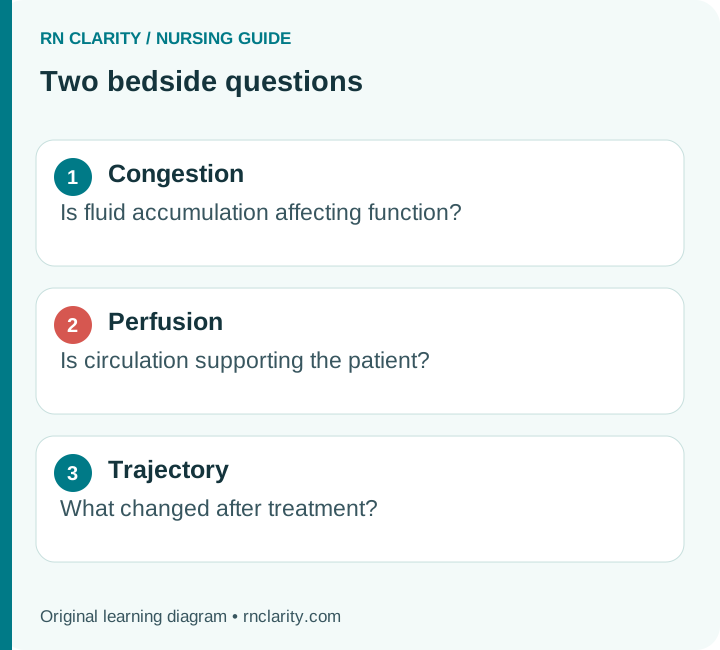
8. Congestion and Perfusion: Two Questions at the Bedside
Congestion refers to elevated filling pressures and fluid accumulation in relevant compartments. Perfusion concerns the adequacy of blood flow to tissues. A patient may be congested yet maintain apparently reasonable blood pressure, or may have poor perfusion with or without obvious edema. This is why a single finding should not determine the whole plan.
Ask first whether the person appears to be accumulating fluid or experiencing congestion-related symptoms. Then ask whether there are concerning signs of inadequate circulation, such as altered mentation, cool extremities, reduced output in context or hemodynamic instability. These observations support clinical evaluation; they are not a substitute for a formal hemodynamic diagnosis.
- Congestion clues: Increasing orthopnea, swelling, weight trend or pulmonary findings.
- Perfusion clues: Mental status, skin temperature, circulation, output and hemodynamic trend.
- Context: Baseline, medication exposure, renal function and competing diagnoses.
- Response: Escalate instability and reassess after authorized treatment.
For example, a swollen patient with dizziness should not automatically receive either more diuretic or a fluid bolus based on one observation. The team needs the overall presentation, recent treatment and relevant monitoring. The nurse's accurate collection of this information reduces the risk of oversimplified decisions.
9. Respiratory Assessment and Orthopnea
Ask about breathlessness at rest, during activity and when lying down. Clarify whether the patient has changed sleeping position or added pillows because of breathing difficulty. New inability to lie flat can be clinically important even when the person appears comfortable sitting upright. Ask about waking abruptly with breathlessness, cough and the effect of symptoms on sleep.
Observe respiratory rate, effort, ability to speak, posture and mental status. Auscultate as appropriate and interpret oxygen saturation in the context of the device, signal quality and clinical presentation. A normal-looking saturation does not explain every cause of dyspnea, and auscultation alone cannot exclude serious disease. Consider competing or concurrent respiratory problems in the evaluation.
Document the conditions under which findings were obtained. “Comfortable at rest in an upright position on prescribed oxygen” is different from “No respiratory problem.” The first statement preserves the context; the second can erase support that is helping the patient appear stable.
New severe respiratory distress requires an urgent response. Positioning and other immediate measures should follow the patient's condition and local protocol while help is obtained. Do not leave a deteriorating patient alone to complete routine paperwork. For stable patients, repeated observations of symptoms and function help evaluate whether treatment is improving congestion and activity tolerance.
10. Cardiovascular and Peripheral Assessment
Assess pulse rate and rhythm, blood pressure trends and symptoms such as chest discomfort, palpitations, dizziness or fainting. Peripheral assessment includes skin temperature, color relative to the patient's baseline, edema and relevant pulses. Findings should be interpreted together, recognizing that vascular disease, medication effects and other conditions can alter them.
Edema assessment should identify location, symmetry and change. A single swollen leg should not automatically be attributed to heart failure. Localized pain, asymmetry or other concerning features may require evaluation for another cause. Likewise, a change in skin color should be described accurately rather than forced into a finding that is easier to recognize in a different skin tone.
Heart-sound assessment can contribute information when performed by a trained clinician, but no isolated sound establishes the whole diagnosis. Report a new or concerning finding within the context of symptoms and other observations. Do not claim that the absence of an extra sound proves that filling pressures are normal.
A useful handoff combines trend and consequence: the blood pressure is lower than earlier, the patient is now dizzy on sitting, and a medication or diuretic was recently administered. This helps the receiving clinician evaluate the change. A list of values without symptoms or timing is less useful for deciding what must happen next.
11. Daily Weights and Fluid-Balance Measurement
Weight trends can reveal fluid changes, but measurement must be consistent enough to interpret. Use the same scale when feasible, similar clothing and a comparable time in the daily routine. Record whether the patient used a bed scale or standing scale and whether equipment or bedding could affect the value. A surprising change should prompt assessment and verification rather than an assumption that the patient has suddenly gained or lost tissue.
Intake and output records require the same attention to context. Include the ordered categories of oral and intravenous intake and measured losses. Note incomplete collection instead of presenting an estimate as exact. An apparently positive balance may be misleading if voids were missed, while a negative balance does not independently prove that congestion has resolved.
The American Heart Association advises patients to track symptoms and discuss rapid weight changes with their team; commonly used action plans include gains of more than two or three pounds in a day or five pounds in a week. The patient's written threshold and contact instructions should be individualized. Do not turn a common educational threshold into an instruction to change medication without a prescribed plan. AHA: managing symptoms.
| Measurement issue | Better practice |
|---|---|
| Two different scales give different readings | Verify and document the method before interpreting the change. |
| A void was not collected | Record the limitation rather than inventing a volume. |
| Weight improves but breathlessness worsens | Reassess the whole patient and escalate the new symptom. |
| A patient cannot stand safely | Use an appropriate alternative and document it. |
| A home scale is unaffordable | Involve the team in a feasible monitoring plan instead of assuming access. |
12. Diagnostic Tests and Nursing Interpretation
Diagnostic evaluation combines history, examination, laboratory information and cardiac testing. Echocardiography can describe ventricular function, chamber characteristics and valvular findings. An ECG provides rhythm and electrical information. Chest imaging may help assess pulmonary findings and alternative diagnoses. Additional testing depends on the suspected cause and clinical question. NHLBI: diagnosis.
The nurse should know what a test is intended to answer and what preparation or monitoring is required. Avoid describing an echocardiogram as a test that simply gives a single “heart strength” percentage. Its report contains information beyond EF, and the clinician integrates those findings with the patient's presentation.
Natriuretic peptides can support evaluation, but results are affected by clinical context. Kidney dysfunction, atrial fibrillation and obesity can complicate interpretation. A biomarker should not be treated as a stand-alone verdict that every symptom is cardiac or that a patient with a less elevated value cannot have clinically important disease.
Explain tests in language the patient can use: “This ultrasound helps the team examine how your heart fills, pumps and how its valves are working.” After a result is available, reinforce the treating team's explanation and invite questions. Do not predict a prognosis from an isolated result or provide certainty that the diagnostic evaluation has not established.
13. Kidney Function, Electrolytes and Laboratory Trends
Heart failure and kidney function interact through perfusion, venous congestion, neurohormonal activity and treatment effects. A creatinine change therefore needs interpretation rather than an automatic conclusion that a particular medication must be stopped. The prescribing clinician evaluates the degree and timing of change together with congestion, blood pressure and other findings.
Potassium and magnesium are important in medication safety and rhythm assessment. Some treatments can lower potassium, while others can increase it. The relevant direction depends on the actual drug, kidney function, intake and other therapies. Never assume that every patient taking a diuretic needs potassium supplementation or that a previously normal value will remain normal after a treatment change.
| Laboratory area | Why the nurse follows it | Context to communicate |
|---|---|---|
| Creatinine and estimated kidney function | Treatment tolerance and renal status | Baseline, trend, fluid status and recent therapy |
| Potassium | Rhythm risk and medication effects | Current medicines, supplementation and sample concerns |
| Magnesium | Electrolyte balance and arrhythmia context | Diuresis, replacement and concurrent abnormalities |
| Sodium | Water balance and severity context | Symptoms, trend and the prescribed management plan |
| Blood count | Anemia or other contributors to symptoms | Bleeding concerns, fatigue and diagnostic follow-up |
| Iron studies when ordered | Evaluation of iron deficiency | The clinician's criteria and replacement plan |
Critical results require the institution's timely notification and response process. Do not wait for the next scheduled medication round to communicate a result that meets an urgent threshold. At the same time, avoid reproducing universal critical-value cutoffs without the laboratory's policy; reference intervals and reporting thresholds are not identical across settings.
14. Medication Management: Relief and Longer-Term Protection
The prescribed regimen depends on the type of heart failure, symptoms, kidney function, blood pressure, comorbidities and treatment tolerance. Four core medication groups in chronic HFrEF management are an ARNI when appropriate, an evidence-based beta-blocker, an MRA and an SGLT2 inhibitor. ACE inhibitors or ARBs may be used when an ARNI is not feasible, according to the clinical plan. The 2024 ACC pathway supports timely initiation and optimization rather than waiting for one drug to reach its maximum before considering the others. ACC: HFrEF pathway.
Nursing medication review should establish indication, current order, relevant observations, laboratory requirements, interactions and the patient's understanding. A medicine can have more than one purpose; an SGLT2 inhibitor, for example, may be prescribed for heart failure in a person without diabetes. Explain the actual indication instead of assuming that the name of a drug class tells the whole story.
- Purpose: What clinical problem does each prescribed medicine address?
- Readiness: Are the required assessment and laboratory information available?
- Administration: Is the correct drug, formulation, timing and dose confirmed?
- Response: What benefit and adverse effects need reassessment?
- Continuity: Can the patient obtain and use the regimen safely at home?
Medication teaching is more effective when it explains both the reason for treatment and the action to take if a problem occurs. “Call if you feel unwell” is vague. A personalized plan should identify relevant symptoms, contact information and urgent situations. Avoid giving unsupervised dose-change instructions that are not in the patient's prescribed plan.
15. Loop Diuretics and Response to Decongestion
Loop diuretics are commonly used to relieve congestion. Nursing assessment follows symptoms, urine response, weight trend, blood pressure and relevant renal and electrolyte results. A larger urine volume is only one piece of evidence; the patient's breathing and function also matter. Conversely, the absence of a dramatic weight change after one measurement does not independently establish treatment failure.
Administration requires attention to the actual preparation, route and ordered rate. Intravenous administration instructions vary by product and context, so use the approved medication reference and local policy. Do not improvise a rapid administration technique from a general study guide. Consider access to toileting and fall prevention because urgency and dizziness can create practical hazards.
If response is less than expected, collect accurate information for review. Was the dose administered? Is urine being measured reliably? Has the patient developed retention or a drainage issue? What are the current symptoms and laboratory trends? The prescriber may adjust the regimen, but the nurse should not independently repeat a dose simply because output appears low.
Teach patients the prescribed schedule and any individualized self-management instructions. Some patients have a clinician-approved adjustment plan, while others do not. Make that distinction explicit. A general article must never imply that all patients should double a diuretic after a weight change. The safe next step is the action specified in the person's written plan or timely contact with the team.
16. ARNI, ACE Inhibitor and ARB Safety
These treatments affect related pathways but are not interchangeable items to combine indiscriminately. Sacubitril/valsartan already contains an ARB. An ACE inhibitor must not be given concurrently with it, and the product information requires a 36-hour separation when switching from or to an ACE inhibitor because of angioedema risk. Review the actual medication history, including the last administered dose, rather than relying only on an admission list. DailyMed: Entresto prescribing information.
Relevant monitoring includes blood pressure, symptoms of hypotension, kidney function and potassium. Swelling of the face, lips or tongue and breathing difficulty require an emergency response. Pregnancy-related risks and contraindications require appropriate counseling and clinical review. The complete current label and prescribing plan determine eligibility and dosing.
A common nursing task is detecting duplicate therapy during transitions. A discharge list may accidentally retain a discontinued drug while adding a replacement. Reconcile the list with the prescriber and pharmacist rather than asking the patient to choose between two conflicting instructions. Document the clarified plan and ensure that the patient receives one understandable medication list.
For teaching, explain that a drug intended to protect the heart can still require monitoring. Avoid framing every laboratory change as proof of harm or telling a patient to stop the drug independently. The important skill is recognizing a concern, communicating it promptly and obtaining an individualized decision.
17. Beta-Blockers and Clinical Stability
Evidence-based beta-blockers used in HFrEF are selected for demonstrated benefit in that setting; the presence of “beta-blocker” in a medication class does not make every agent interchangeable. Initiation and titration depend on clinical stability and the prescribed plan. The 2024 ACC pathway specifically emphasizes deferring initiation or titration until heart failure is compensated.
Before administration, review the order and relevant pulse, blood pressure and symptoms. Follow specified hold parameters or obtain clarification when the patient is unstable or the order does not address a concerning finding. Do not create a universal pulse cutoff for all patients from a classroom mnemonic. The appropriate response depends on the drug, indication, rhythm and clinical context.
Patients may misunderstand a lower heart rate as evidence that the heart is becoming weaker. Explain the intended role of the medicine in terms the clinician has established, and ask about dizziness, fatigue or other symptoms. Some symptoms may require review, but abrupt self-discontinuation can be unsafe. Encourage contact with the care team rather than unsupervised changes.
During acute deterioration, the nurse communicates current findings and obtains a treatment decision. Neither “always give” nor “always stop” is a sufficient rule for every hospitalized patient already taking a beta-blocker. Accurate assessment and a clear order protect the patient more reliably than a blanket statement.
18. MRAs, SGLT2 Inhibitors and Monitoring
Mineralocorticoid receptor antagonists require attention to potassium and kidney function. Patients should understand why follow-up blood tests matter and why a salt substitute or nonprescription supplement should be discussed before use. The product and indication determine the specific monitoring schedule and eligibility criteria; steroidal and nonsteroidal MRAs should not be treated as identical prescriptions.
SGLT2 inhibitors have a role in heart failure management beyond glucose lowering. Nursing review includes the prescribed indication, renal status, volume-related symptoms and relevant adverse-effect education. Acute illness, fasting and procedures can require a temporary medication plan because ketoacidosis risk is not limited to very high glucose readings. The prescriber and current product guidance determine withholding and restarting instructions.
Ask whether the patient can distinguish routine follow-up from an urgent problem. Persistent vomiting, marked illness or concerning symptoms should trigger clinical contact according to the plan rather than an assumption that a near-normal glucose value makes everything safe. Patients also need clear instructions about hydration that are compatible with their heart-failure plan, not contradictory generic advice.
Medication access deserves equal attention. A prescription that cannot be filled is not an effective discharge intervention. Confirm coverage, availability and the patient's ability to manage the regimen. Involve pharmacy or social services before discharge when possible, and document any unresolved gap so the outpatient team can respond.
19. HFpEF: More Than a Normal EF
Preserved EF can coexist with important symptoms and abnormal filling pressures. The diagnostic process integrates clinical findings, imaging and laboratory information while evaluating alternative explanations. Obesity and other comorbidities can complicate interpretation. Avoid reassuring a breathless patient that the heart is normal solely because the EF is above a familiar threshold.
The 2026 ACC HFpEF pathway emphasizes early SGLT2 inhibitor therapy when appropriate, consideration of a nonsteroidal MRA, relief of congestion and management tailored to comorbidities and phenotype. It also discusses selected use of incretin-based treatment for obesity and other individualized therapies. These are prescribing decisions, not a universal medication bundle for every patient with a preserved EF. ACC: 2026 HFpEF key takeaways.
Nursing priorities include monitoring congestion, blood pressure, rhythm-related symptoms, activity tolerance and treatment feasibility. A patient may have diabetes, chronic kidney disease, obesity, sleep-disordered breathing or atrial fibrillation at the same time. The care plan should coordinate these needs rather than presenting five separate sets of instructions that conflict with one another.
For an assignment, distinguish the evidence population from an assumed universal benefit. Do not claim that every HFrEF medication has the same outcome evidence in HFpEF. State which guideline or pathway supports the recommendation and what patient characteristics influence the decision.
20. Medication Reconciliation and Nonprescription Products
Reconciliation compares what the patient actually takes with the intended regimen. Include dose, timing, formulation, reason for use and recent changes. Ask about over-the-counter pain medicines, cold preparations, supplements and products marketed as natural. A patient may not volunteer these because they do not consider them medications.
Potentially relevant concerns include products that affect blood pressure, fluid retention, kidney function or potassium. The nurse should identify the product precisely and obtain a pharmacist or prescriber review. Avoid telling the patient that all nonprescription products are safe or that every supplement is harmful; the useful action is a specific, informed assessment.
A practical reconciliation exercise is to place the home list, administration record and proposed discharge list side by side. Identify which drugs continue, which change and which stop. Confirm that a replacement medicine has not created unintended duplication. Make sure the patient knows what to do with an old bottle whose instructions no longer match the plan.
Use teach-back with the final list: “Show me which medicine you will take in the morning and which one has stopped.” This can reveal a misunderstanding that a yes-or-no question misses. Document the clarified regimen and remaining support needs rather than merely recording that a leaflet was handed over.
21. Sodium, Fluids and Nutrition Without Conflicting Instructions
Dietary advice should match the individual's clinical plan. Avoid assuming that every patient needs the same sodium target or fluid restriction. NICE specifically advises against routinely imposing sodium or fluid restriction on all people with heart failure, while recommending individualized review in relevant circumstances. Other guidelines discuss avoidance of excessive sodium and selected restrictions. The practical requirement is to communicate the actual plan clearly rather than combining incompatible numbers from different sources. NICE NG106: recommendations.
Ask what the patient normally eats and drinks before teaching. A plan built around foods the person does not use is unlikely to help. Discuss label reading, portion size and realistic alternatives when sodium reduction is part of the plan. Recognize that inexpensive packaged foods may be easier to obtain than fresh ingredients and that cultural preferences should inform the discussion.
If a fluid limit is prescribed, explain what counts toward it and how to distribute intake across the day. Use the patient's actual cups and containers when possible. A limit written only in milliliters may be difficult to apply without a measuring strategy. Discuss thirst and dry mouth with the team rather than recommending unlimited additional fluid or an unapproved product.
Nutrition assessment also looks for poor appetite, unintended tissue loss and difficulty preparing meals. A person can have edema while being nutritionally vulnerable. Weight changes during decongestion should not be interpreted as proof that nutritional intake is adequate. Dietitian involvement can help reconcile energy needs, sodium advice, diabetes management and kidney-related requirements.
22. Activity, Rest and Cardiac Rehabilitation
Stable patients often benefit from an individualized activity plan, while acute instability requires reassessment before exertion. Ask about the activities the patient values and currently finds difficult. Walking to the mailbox, showering and returning to work may be more meaningful goals than a vague instruction to exercise more.
Assess symptoms before, during and after activity, using the prescribed monitoring and safety criteria. Observe recovery time and assistance needs. A person who completes a short walk but takes a prolonged time to recover has provided important information. Document the activity and response together so future care can build on a real baseline.
Cardiac rehabilitation can provide supervised exercise, education and support when appropriate. Eligibility, access and the program's plan should be confirmed rather than promising a particular service to every patient. Transportation, work schedules and cost can affect participation. AHA: cardiac rehabilitation for heart failure.
Pacing is a practical nursing intervention. Help the patient plan demanding activities when energy is better, allow rest and arrange needed assistance. Pacing should not become permanent avoidance of all movement without assessment. The goal is safe participation in meaningful activity, with adjustments based on symptoms and professional guidance.
23. Sleep, Fatigue and Emotional Well-Being
Fatigue can reflect the disease, interrupted sleep, medication effects, anemia, mood symptoms or other conditions. Ask about timing and function rather than assuming a single cause. A patient who says “I am tired” may mean sleepiness, muscle exhaustion, breathlessness or emotional distress, each of which leads to different follow-up questions.
Sleep assessment includes breathing-related symptoms and whether the person avoids lying down. A new need to sleep sitting upright is not simply poor sleep hygiene. Communicate changes that suggest worsening congestion or another breathing problem. A diagnosed sleep disorder should have a coordinated treatment plan, including device use when prescribed.
Emotional responses to heart failure vary. Some patients fear sudden deterioration; others feel overwhelmed by a new regimen or embarrassed about asking for assistance. Invite discussion without promising that positive thinking will control the disease. Screen and refer according to local practice when depression, anxiety or other concerns are identified.
Practical support often matters as much as information. Help the patient identify who can assist with shopping, appointments or medication organization, with the patient's consent. Do not assume that a household member is available or able to provide care. Record the support the patient actually has and the gaps that need attention.
24. Recognizing Acute Pulmonary Edema and Deterioration
Acute severe breathlessness in a patient with heart failure requires rapid assessment and treatment. Pulmonary edema is one possible cause, but pulmonary embolism, pneumonia, ischemia and other conditions may produce overlapping findings. The nurse should communicate the urgent presentation without declaring a definitive cause before evaluation.
Assess airway, breathing, circulation, mental status and immediate safety while activating the appropriate response. Monitor according to the emergency plan and prepare to assist with prescribed oxygen or ventilatory support and medications. Positioning should support breathing and hemodynamic tolerance. A patient who is collapsing needs a different immediate response from one who is alert and severely breathless while sitting upright.
Do not reduce emergency care to a memorized list of drugs. The appropriate use of diuretics, vasodilators or ventilatory support depends on blood pressure, congestion, oxygenation and the treating team's assessment. Routine morphine is not a universal first-line nursing intervention for acute pulmonary edema, and a general educational guide should not present it as one.
- Recognize: New severe distress or rapidly worsening observations.
- Mobilize: Activate emergency support and remain with the patient.
- Assess: Communicate breathing, circulation, consciousness and relevant history.
- Assist: Implement authorized emergency treatment and monitoring.
- Reassess: Evaluate response continuously and report deterioration.
The chart should capture recognition, communication, interventions and response. It should not suggest that a delayed entry means the problem was recognized late if care was occurring first; follow the institution's documentation rules for timing and late entries. Accurate chronology is valuable for continuity and later review.
25. Cardiogenic Shock and Poor Perfusion
Cardiogenic shock involves cardiac dysfunction with inadequate tissue perfusion and is a medical emergency. Assessment looks beyond a single blood pressure to mental status, circulation, urine output in context, laboratory information and the overall presentation. A patient can deteriorate rapidly, and the nursing response should match that urgency.
Potential treatments include carefully selected medications, invasive monitoring and mechanical support, depending on the cause and severity. These require specialized orders and monitoring. A general ward nurse's immediate contribution is recognition, activation of help, safe support and precise communication, not independent selection of vasoactive therapy.
Avoid reflexive fluid administration because blood pressure is low in a patient who may already be congested. Conversely, do not assume that every patient with a heart-failure diagnosis has the same volume status. The resuscitation team determines the strategy using the clinical assessment and available monitoring.
For learning, compare two fictional patterns: an alert patient with edema and stable perfusion versus a patient with worsening mentation, cool extremities and hemodynamic instability. Both need assessment, but the latter has immediate circulatory concerns. Prioritization depends on the current condition rather than the length of the problem list.
26. Rhythm Disturbances, Chest Pain and Anticoagulation
Heart failure can coexist with atrial fibrillation, ventricular arrhythmias and ischemic disease. New palpitations, fainting, concerning chest discomfort or a rhythm change require assessment appropriate to the presentation. A monitor label should be checked against the patient and a reliable rhythm assessment; artifact is possible, but it must not become a reason to ignore symptoms.
Anticoagulation is not automatically indicated solely because a patient has heart failure. The indication may involve atrial fibrillation, venous thromboembolism, a mechanical valve or another specific condition. Confirm why the medicine is prescribed and what monitoring and education are required for that agent.
Medication reconciliation is especially important when antiplatelets and anticoagulants appear together. Some patients have a deliberate combined plan, while others may have an unintended duplication or unclear duration. Obtain clarification rather than independently discontinuing treatment or assuming that the combination is always appropriate.
Teaching should cover the patient's specific bleeding precautions, missed-dose instructions and follow-up. Do not use warfarin monitoring advice as if it applies identically to every direct oral anticoagulant. The drug, kidney function, indication and current label determine the details. New neurologic symptoms or major bleeding require an emergency response, not a routine follow-up appointment.
27. Devices and Advanced Therapies
Selected patients may receive an implantable cardioverter-defibrillator, cardiac resynchronization therapy, mechanical circulatory support or transplantation evaluation. These treatments address different problems and have different eligibility criteria. An ICD is not simply a pump-strengthening device, and resynchronization is not appropriate for every person with reduced EF.
Nursing care includes understanding the device type, relevant precautions, site assessment when applicable and the response plan for alarms or symptoms. Use device-specific training and the implanting team's instructions. A patient with a ventricular assist device needs specialized assessment; routine assumptions about palpable pulse or automated blood pressure may not apply.
Advanced heart-failure referral can provide broader support than evaluation for a transplant or mechanical pump. It may help optimize treatment, clarify the cause, manage symptoms and coordinate complex decisions. Recurrent hospitalizations, persistent severe symptoms or difficulty tolerating therapy should be communicated for specialist consideration. AHA: advanced-care referral.
When explaining options, do not promise eligibility or a specific outcome. Ask what the patient understands and what questions remain. Support informed discussion with the specialist team and include caregivers only with appropriate consent. The goal is a decision consistent with clinical possibilities and the person's preferences.
28. Palliative Care and Goals of Care
Palliative care supports symptom relief, communication and quality of life and can accompany disease-directed treatment. It is not limited to the final days of life. A patient can receive active heart-failure therapy while also receiving help with breathlessness, anxiety, difficult decisions and caregiver burden. AHA: planning for advanced heart failure.
Ask what matters most to the patient and what tradeoffs they are willing to consider. Some prioritize attending a family event, remaining at home or preserving independence. These goals help the team discuss treatment realistically. They do not replace clinical assessment, but they prevent a plan from being defined only by laboratory numbers and devices.
Device-related decisions require informed, specialist-supported discussion. Do not assume that a do-not-resuscitate order automatically specifies every device function or treatment preference. Clarify the documented plan through the appropriate team and ensure that orders and communication reflect the patient's decisions.
Nurses often identify uncertainty that has not been voiced during a brief medical visit. A question such as “What worries you most about going home?” can reveal a need for a family meeting or additional explanation. Document concerns respectfully and avoid treating a preference for comfort or a preference for further treatment as a character judgment.
29. Building a Nursing Care Plan from Actual Findings
A care plan starts with supported patient problems. The presence of a medical diagnosis does not prove that every common nursing diagnosis applies. Use the assessment to identify current symptoms, risks, functional limitations and learning needs. If a course requires standardized diagnostic language, consult the current licensed taxonomy rather than inventing a label or code.
| Assessment pattern | Patient-centered goal example | Nursing actions | Evaluation |
|---|---|---|---|
| Breathlessness with activity and congestion-related findings | Completes the agreed activity with improved tolerance within the individualized plan | Assess symptoms, administer prescribed therapy, pace activity and reassess | Compare activity, symptoms and recovery with baseline |
| Dizziness during transfers | Transfers safely with the current assistance plan | Assess symptoms and relevant observations, provide assistance and communicate changes | Record whether symptoms recur and whether the plan remains safe |
| Confusion about a changed regimen | Explains the final medication schedule using teach-back before discharge | Reconcile instructions, use an accessible list and involve pharmacy | Ask the patient to demonstrate the plan and resolve errors |
| Difficulty obtaining medicines | Has a feasible supply and follow-up arrangement | Identify the barrier, coordinate support and confirm availability | Verify what has actually been arranged |
Goals should specify an observable outcome and a clinically appropriate timeframe. “Patient will understand heart failure” is difficult to evaluate. “Patient will explain which symptoms require urgent help and whom to contact” gives the nurse a concrete way to assess learning.
Rationales should explain the connection between an intervention and the problem. Do not write “because ordered” as the only rationale for every medication-related action. The nurse should know the intended effect and relevant monitoring even though the prescriber determines the regimen. Evaluation then closes the loop by showing whether the intended outcome occurred.
30. Discharge Readiness and Transition of Care
Discharge education should begin before the final hour. A patient who is fatigued, anxious or waiting for transportation may not absorb a long list of new instructions. Teach in manageable portions, revisit important points and confirm understanding with demonstration or teach-back.
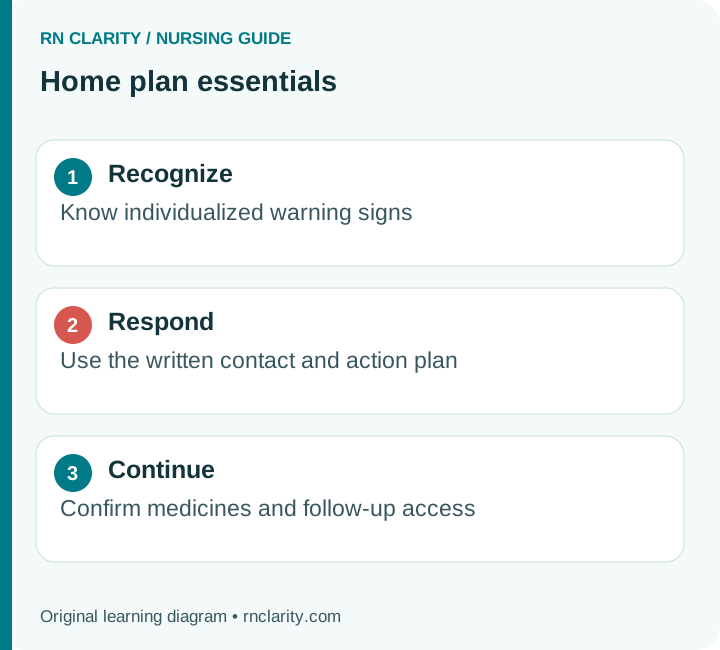
The transition plan should include the reconciled medicines, follow-up arrangements, monitoring instructions, individualized symptom thresholds and a clear contact route. Confirm that the patient knows which concerns require emergency help and which require prompt contact with the heart-failure team. A telephone number is only useful if the patient knows when it is answered and what to do outside those hours.
- Medicines: One clear list, available supply and understood changes.
- Monitoring: A feasible way to track the agreed symptoms and measurements.
- Action: Written instructions for worsening symptoms and emergencies.
- Follow-up: Confirmed appointments, laboratory plans and transportation needs.
- Support: Patient-approved caregiver involvement and unresolved barriers communicated.
Handoff to outpatient clinicians should include recent changes and pending needs. If a medication was adjusted, the follow-up team needs to know what laboratory or symptom review is due. If a patient could not obtain a scale or a prescription, that is an active care issue rather than a footnote. A useful transition makes responsibility for the next step visible.
31. Documentation and SBAR Examples
Documentation should distinguish observations, patient reports and clinical interpretations. Describe the activity that triggered symptoms, the position in which breathing was assessed and the relevant support. Record medication response and unresolved concerns. Avoid copying yesterday's findings into today's note without reassessment.
Fictional concise SBAR: “I am concerned about a new increase in breathlessness in a patient admitted with heart failure. Earlier the patient walked to the bathroom with assistance; now the patient is breathless while sitting and says this is worse. I have reassessed breathing, circulation and current observations, and I have activated the unit's urgent review process. I need bedside evaluation and clarification of the immediate treatment and monitoring plan.” In actual practice, include the measured values, treatment timing and relevant history available at that moment.
The example deliberately does not invent normal findings or a diagnosis of pulmonary edema. A real handoff should convey what is known, what has changed and what response is needed. If a value is unavailable, state that rather than guessing it. Do not delay emergency communication to make the report sound complete.
After treatment, document the response in comparable terms. If the patient can again speak comfortably or complete a previously limited activity, describe that change. If symptoms persist, record the ongoing concern and escalation. “Medication given” is an administration fact; it is not an evaluation of effectiveness.
32. Case Study: Congestion and an Incomplete Home Plan
Fictional learning scenario. A patient reports increasing ankle swelling and difficulty sleeping flat. The home weight log shows an upward trend. During medication review, the nurse learns that a newly prescribed medicine was never collected because the pharmacy requested a payment the patient could not afford.
The immediate task is to assess the current condition and urgency, including breathing, circulation and symptoms at rest. The nurse communicates the change and the medication gap to the treating team. If the patient is unstable, emergency care takes priority over solving the payment issue. If stable enough for an organized review, both the clinical problem and the access barrier need a plan.
The nurse should not conclude that the missed medicine is the only cause of deterioration. Other contributors may need evaluation. At the same time, the access issue is actionable and should not disappear from the record after the acute symptoms are treated. Pharmacy and social support can help identify a feasible regimen and supply.
Care-plan reasoning: The physiological concern requires assessment and prescribed treatment. The transition concern requires confirmation that the treatment can actually be obtained. Teaching the mechanism of a drug without resolving an unaffordable prescription leaves a major problem untouched.
Evaluation: Track the clinical response and verify the practical arrangement. Ask the patient to explain the final plan and confirm which pharmacy will supply it. The outcome is not “education completed”; it is a safer, usable plan with clear follow-up and fewer unresolved instructions.
33. Case Study: Weight Falls but the Patient Feels Worse
Fictional learning scenario. After prescribed diuresis, a patient's weight is lower and urine output has increased. During a transfer, the patient becomes dizzy and appears unsteady. The nurse notices that the current blood pressure is lower than the earlier trend.
The immediate response is to prevent a fall, assist the patient safely and reassess. The reduction in weight does not override new symptoms. Communicate the treatment timing, intake and output context, weight method, blood pressure trend and current findings. The team evaluates whether the regimen or monitoring needs adjustment and whether another cause contributes.
Do not label the episode automatically as overdiuresis. That is a possible interpretation requiring clinical evaluation, not a conclusion proven by one dizzy spell. Similarly, do not give additional fluid independently because the patient feels light-headed. The patient's congestion and perfusion need to be considered together.
Care-plan reasoning: An intervention can have the intended effect and still create a new safety issue. Evaluation includes adverse effects and function, not just the target measurement. The mobility plan must be updated so another caregiver does not attempt an unsupported transfer.
Evaluation: Reassess symptoms and safe activity after the clinical review. Document the revised assistance and treatment instructions. Compare the patient's response with the earlier episode and communicate persistent concerns. A good outcome includes safe movement as well as appropriate fluid management.
34. Case Study: Preserved EF and Persistent Symptoms
Fictional learning scenario. A patient with exertional breathlessness says, “My ejection fraction is normal, so it cannot be my heart.” The record shows a preserved EF and an ongoing evaluation for the cause of symptoms. The patient also has hypertension and obesity.
The nurse explains that EF is one part of cardiac assessment and does not exclude all forms of heart failure. The team must integrate symptoms, imaging, laboratory information and alternative causes. Avoid telling the patient that HFpEF is confirmed solely from risk factors or that every symptom is explained by body weight.
Assess the actual functional limitation and its trajectory. Ask what activity has changed, whether symptoms occur at rest and whether there is swelling or difficulty lying flat. Communicate new or worsening findings. The discussion should remain respectful and specific, without making assumptions about motivation or lifestyle.
Care-plan reasoning: The immediate educational goal is accurate understanding of the test, while the clinical goal is appropriate evaluation. Reassurance should be grounded in what is known. “This result gives useful information, but the team is still investigating your symptoms” is more accurate than either “Your heart is fine” or “You definitely have heart failure.”
Evaluation: Ask the patient to explain what the EF result can and cannot tell them. Confirm the next diagnostic or follow-up step and the symptoms that require earlier help. Learning is successful when the patient understands the uncertainty and the plan, not when the nurse supplies premature certainty.
35. Case Study: A Potential Medication Duplication
Fictional learning scenario. During discharge review, the nurse sees sacubitril/valsartan on the new list and an ACE inhibitor on the patient's older printed instructions. The patient says both bottles are at home and asks whether to take them together.
The nurse pauses the conflicting instruction and contacts the prescriber and pharmacist for reconciliation. The actual last ACE-inhibitor dose and intended start time matter because of the required separation. The patient should receive one clear, corrected schedule. Do not ask the patient to infer the intended plan from two documents.
This is a communication and medication-safety problem even if no dose has yet been taken incorrectly. Catching it before discharge can prevent harm. The nurse should also ask whether other changed medications remain on old lists or in a weekly organizer, since the same transition may have produced additional confusion.
Care-plan reasoning: The intervention is not merely stating that two drugs interact. It is resolving the discrepancy, confirming timing and ensuring that the patient can follow the corrected plan. The current product information and prescribing instructions determine the exact schedule.
Evaluation: Have the patient identify which instruction is current and explain the next dose timing. Confirm how the discontinued medicine will be separated from the active regimen. Document the clarification and provide the updated list to the relevant care team. A theoretical explanation without a corrected schedule is incomplete.
36. Case Study: A Caregiver Notices a Functional Change
Fictional learning scenario. A family member reports that the patient no longer walks to the kitchen and has been sleeping in a chair. The patient says, “I am fine as long as I do not move.” There is no home weight record because the scale broke.
The absence of a weight trend does not remove the concern. Assess symptoms, current stability and changes in function. The caregiver's observations are useful context, while the patient remains the central participant in the conversation. Obtain appropriate consent for sharing information and involving the caregiver in the plan.
The statement about avoiding movement may conceal substantial limitation. Ask what happens during activity and why the chair is more comfortable. Do not interpret reduced activity as laziness or assume that sleeping in a chair is a personal preference. These details may support urgent clinical review depending on the full presentation.
Care-plan reasoning: Monitoring should be feasible and multidimensional. A scale can be useful, but symptoms and function still matter when a measurement is unavailable. The team should address the equipment gap without delaying evaluation of current symptoms.
Evaluation: Confirm the clinical follow-up and a realistic monitoring plan. Include the patient's preferred support person when appropriate, and ensure that everyone understands escalation instructions. The goal is to detect change and act on it, not to collect numbers for their own sake.
37. Case Study: Advanced Disease and a Meaningful Goal
Fictional learning scenario. A patient with repeated admissions says the most important goal is to attend a grandchild's graduation. The patient feels exhausted by frequent appointments but is unsure whether discussing comfort means stopping all treatment.
The nurse clarifies that symptom support and disease-directed care can occur together and asks permission to share the goal with the team. A palliative-care or multidisciplinary discussion may help connect treatment options with the patient's priorities. Avoid promising attendance or a particular outcome that the clinical situation cannot guarantee.
Assess the barriers to the goal: symptoms, transportation, mobility, medication timing and available assistance. Some may be modifiable, while others require an honest discussion of limitations. The patient should not have to choose between expressing hope and receiving accurate information.
Care-plan reasoning: A meaningful goal can guide practical planning and shared decisions. It does not require the nurse to recommend a treatment beyond scope. The nurse contributes by making the patient's priorities visible and ensuring that questions reach the appropriate clinicians.
Evaluation: Determine whether the patient understands the options and feels heard. Record the agreed next steps and who will coordinate them. Quality of care includes relief of distress and clear communication, even when the underlying disease remains serious.
38. Original NCLEX-Style Practice Questions
These questions are educational practice items, not actual NCLEX questions. Read the rationale and identify the cue that changes the priority. In real care, follow the complete clinical assessment and local protocols.
Which finding should interrupt a routine teaching session?
A patient develops severe new breathlessness and difficulty speaking comfortably. This change requires immediate assessment and an urgent response appropriate to the presentation. Teaching can resume later. The important principle is that current instability takes priority over a scheduled educational task, even when the patient was stable when the session began.
A patient has a preserved EF. What conclusion is safest?
The EF result alone does not exclude heart failure or explain the symptoms. Further interpretation requires the clinical context and appropriate diagnostic evaluation. It is inaccurate to conclude that the heart is entirely normal from one percentage. It is equally inaccurate to diagnose HFpEF from a preserved EF without the other required evidence.
Which statement best evaluates diuretic response?
“The patient's breathing, weight trend, measured output, blood pressure and relevant laboratory results have been reassessed.” This is stronger than focusing only on urine volume. Evaluation should consider the intended benefit and potential adverse effects. A treatment can produce diuresis while the patient still has respiratory distress or develops dizziness that needs attention.
What should the nurse do with conflicting medication lists?
Reconcile the discrepancy with the prescriber and pharmacist and provide one clarified plan. The patient should not be expected to determine which instruction is correct. Verify timing and discontinued medicines, especially when a new drug replaces another. Teach-back should confirm that the corrected instructions can be followed at home.
Is anticoagulation required for every patient with heart failure?
No. Confirm the specific indication and prescribed plan. Heart failure can coexist with conditions that require anticoagulation, but the diagnosis alone does not establish that every patient needs it. Nursing monitoring and teaching must match the actual anticoagulant, kidney function, indication and relevant bleeding risk.
A patient reports that a medicine is unaffordable. What response is most useful?
Explore the barrier and involve the appropriate team to arrange a feasible plan. Repeating that the medicine is important does not make it obtainable. Confirm the actual supply and follow-up before treating the issue as resolved. The record should describe the barrier and action rather than apply a judgmental label.
A weight reading changes unexpectedly. What should happen next?
Assess the patient and verify the measurement conditions. Different scales, bedding or collection methods can affect results. Do not dismiss symptoms while checking the equipment, and do not assume that an isolated value proves a major fluid change. Interpret the confirmed trend with the rest of the assessment.
Which goal is easiest to evaluate?
“Before discharge, the patient will explain the individualized warning signs and contact plan using teach-back.” This is observable and linked to a practical skill. “The patient will understand heart failure” is too broad to evaluate reliably. A clear goal makes it possible to identify misunderstandings and repeat teaching where needed.
A patient feels better and wants to stop all medicines. What should the nurse explain?
Improvement does not automatically mean that ongoing risk has disappeared. The patient should discuss treatment changes with the prescribing team rather than stop independently. Explain each medicine's purpose and explore adverse effects or access concerns that may be driving the request. The response should support an individualized review, not simply demand compliance.
Why is activity history useful when resting observations appear stable?
Patients may reduce activity to avoid symptoms, making a resting assessment look more reassuring than their daily function warrants. Ask what they can do compared with their usual baseline and what happens during exertion. Functional change can reveal a clinically important problem and help evaluate response to treatment over time.
39. Frequently Asked Questions
What is the difference between heart failure and cardiac arrest?
Heart failure is a syndrome involving impaired cardiac function and related symptoms or signs. Cardiac arrest is the loss of effective circulation requiring an immediate resuscitation response. A person with heart failure usually still has a beating heart and may live with the condition for years. The terms should not be used interchangeably when teaching patients or writing an assignment.
What are the main nursing priorities in heart failure?
Recognize instability, assess congestion and perfusion, monitor prescribed treatment and its adverse effects, support safe function and prepare a feasible self-management plan. Priorities change with the patient's condition. An unstable patient needs emergency assessment, while a stable patient may need medication reconciliation, activity support and discharge teaching. The medical diagnosis alone does not determine the order of every nursing task.
Can heart failure happen without swollen legs?
Yes. The presentation varies, and visible peripheral edema is not required for every patient. Breathlessness, reduced activity tolerance or other symptoms may be important even when the ankles do not look swollen. Conversely, leg swelling has causes other than heart failure. Interpret the full pattern and obtain the appropriate clinical evaluation rather than relying on a single sign.
Why are daily weights often recommended?
Consistent weight measurements can help identify changes that may reflect fluid accumulation or response to treatment. They are most useful alongside symptoms and an individualized action plan. The patient needs instructions about technique, reportable changes and whom to contact. A weight log is not an independent instruction to alter medicines unless the clinician has provided a specific adjustment plan.
Does everyone need a two-liter fluid limit?
No. Fluid advice depends on the individual's condition and treatment plan. A fixed limit should not be imposed on every patient from a general study rule. If a restriction is prescribed, explain what counts as fluid, how to measure it and when the plan should be reviewed. Coordinate advice across heart failure, kidney disease, diabetes and other relevant conditions.
Why might a person without diabetes receive an SGLT2 inhibitor?
These medicines have indications beyond glucose lowering, including heart failure for appropriate patients and products. The nurse should explain the prescribed reason and relevant monitoring rather than assume that the patient has an undisclosed diabetes diagnosis. Medication safety still matters, including volume-related symptoms and plans for illness, fasting or procedures according to current product guidance and the treating team.
Is a better ejection fraction the same as a cure?
No. Improvement is encouraging, but it does not automatically eliminate the underlying vulnerability or need for follow-up. The 2026 definition emphasizes trajectories and ongoing assessment. Patients should not stop therapy on the basis of a better number without a clinical review. Symptoms, biomarkers, imaging and function may improve differently and need interpretation together.
What should a heart-failure care plan include?
Include supported patient problems, measurable goals, interventions with clear rationales and an evaluation method. Address actual findings such as breathlessness, mobility limitations, medication confusion or access barriers. Do not attach every common nursing diagnosis to every patient. The plan should show how assessment leads to action and how the nurse will determine whether the action helped.
When should a patient seek emergency help?
Severe new breathing difficulty, loss of consciousness, concerning chest symptoms, signs of stroke or other rapid deterioration warrant emergency assessment. Follow the personalized action plan and local emergency instructions. A patient should not wait for a scheduled appointment or a specific weight threshold when symptoms suggest an emergency. Routine monitoring is intended to support timely action, not delay it.
Can palliative care be used while active treatment continues?
Yes. Palliative care can support symptom control, communication and quality of life alongside disease-directed treatment. It does not automatically mean stopping all heart-failure therapy. The team helps the patient consider options in relation to clinical circumstances and personal goals. Nurses can identify concerns, clarify misunderstandings and support informed discussion with the appropriate clinicians.
40. Assignment and Research Skills
When writing about heart failure, identify the population and framework before discussing treatment. A trial in patients with a particular EF range cannot automatically establish the same benefit in every phenotype. A consensus definition, a management guideline, a product label and a patient handout serve different purposes. Use each source for the kind of claim it can support.
Separate statistical outcomes from individual predictions. A reduction in a study's event rate does not tell one patient exactly how long they will live. Do not invent effect sizes or describe an intervention as proven to cure heart failure when the evidence addresses hospitalization, symptoms or another outcome. Report the actual endpoint, comparison and limitations when discussing research.
For a case-based assignment, make the patient data internally consistent and clearly fictional unless you have permission to use appropriately de-identified clinical material. Do not invent a citation to make a nursing rationale look authoritative. If a recommendation is a local practice rather than a universal guideline, identify that distinction.
Use the current definition and current management sources while explaining why older terminology may appear in the literature. This is especially important in 2026, when the universal definition and HFpEF pathway changed. A well-structured paper can acknowledge that transition without pretending that every older study has been reclassified or that all clinical systems have adopted identical terminology.
Practice next: Apply these ideas with the clinical judgment learning pathway and the practice-question study guide.
41. References and Source Notes
- AHA: Second Universal Definition of Heart Failure, 2026—Top Things to Know. Used for the current definition, categories and trajectory discussion; this is a consensus definition, not a replacement drug label.
- 2022 AHA/ACC/HFSA Guideline for the Management of Heart Failure. Management framework and the numerical EF terminology still common in clinical records and studies.
- ACC: 2024 Expert Consensus for Treatment of HFrEF—Key Points. Core treatment groups and implementation considerations.
- ACC: 2026 HFpEF Management Pathway—Key Takeaways. Current HFpEF assessment and individualized treatment principles.
- NHLBI: Heart Failure, causes, symptoms and diagnosis. Foundational patient-facing explanations; the pages' older dates should not be mistaken for the date of the 2026 consensus changes.
- NICE NG106: Chronic Heart Failure in Adults—Recommendations. UK guidance, including individualized dietary advice; local treatment systems may use a different guideline framework.
- DailyMed: Entresto prescribing information. Product-specific interaction and safety information.
- DailyMed: Jardiance prescribing information. Product-specific safety information; consult the current label and prescribing plan for use in a particular patient.
- AHA: Managing Heart Failure Symptoms and cardiac rehabilitation. Patient education and functional recovery resources.
- AHA: Advanced Heart Failure Referral and planning for advanced heart failure. Specialist support and goals-of-care discussion.
This guide provides nursing education and original exam-style practice. It is not official NCLEX material, a prescribing protocol or a substitute for individualized clinical care. Use the patient's current condition, orders, local policies and professional scope when applying clinical information.