NCLEX-RN® Autoimmune and Rheumatologic Disorders: Lupus, Rheumatoid Arthritis, Gout, and Immunosuppressive Safety
Study autoimmune and rheumatologic disorders, medication safety, and priority nursing actions.
postNumber: 89 title: "NCLEX-RN® Autoimmune and Rheumatologic Disorders: Lupus, Rheumatoid Arthritis, Gout, and Immunosuppressive Safety" h1: "NCLEX-RN® Autoimmune and Rheumatologic Disorders: Lupus, Rheumatoid Arthritis, Gout, and Immunosuppressive Safety" slug: "nclex-rn-autoimmune-rheumatologic-lupus-rheumatoid-gout" canonicalUrl: "https://rnclarity.com/blog/nclex-rn-autoimmune-rheumatologic-lupus-rheumatoid-gout" primaryKeyword: "NCLEX® autoimmune rheumatologic disorders" secondaryKeywords:
- "lupus NCLEX® nursing"
- "rheumatoid arthritis nursing care"
- "gout patient teaching NCLEX®"
- "immunosuppressant safety nursing"
- "autoimmune flare infection differentiation" metaTitle: "NCLEX® Autoimmune Disorders: Lupus, RA, and Gout" metaDescription: "Learn lupus, rheumatoid arthritis, gout, flare assessment, organ complications, immunosuppressant safety, infection prevention, and NCLEX® priorities." excerpt: "A practical guide to inflammatory disease, pain and function, organ surveillance, infection risk, medications, and patient teaching." suggestedPublishDate: "2026-09-09" status: "draft_nurse_review_required" schemaTypes: ["BlogPosting", "FAQPage", "BreadcrumbList"] diagramCount: 5 clinicalReview: "Required before publication"
NCLEX-RN® Autoimmune and Rheumatologic Disorders: Lupus, Rheumatoid Arthritis, Gout, and Immunosuppressive Safety
Quick answer: In autoimmune disease, distinguish a flare from infection, identify organ-threatening complications, and protect patients receiving immunosuppressive therapy. Fever, dyspnea, chest pain, neurologic change, reduced urine output, severe weakness, or signs of sepsis are more urgent than chronic joint pain. Gout is crystal arthritis, not an autoimmune disease, but it is tested with rheumatology because treatment and teaching differ.
Editorial status: This is a complete educational draft. A qualified U.S. registered nurse or nurse educator should clinically review it before publication. Drug doses, facility procedures, and emergency algorithms must be checked against the current source and local policy.
Suggested reading time: 18–22 minutes
Designed for: NCLEX-RN® candidates, including internationally educated nurses and repeat test-takers.
Table of contents
- Understand autoimmune inflammation and flares
- Recognize systemic lupus erythematosus
- Manage rheumatoid arthritis and function
- Understand gout and urate-lowering therapy
- Recognize organ-threatening complications
- Use corticosteroids and DMARDs safely
- Prevent infection and vaccine complications
- Support pain, fatigue, mobility, and self-management
- A simple NCLEX® clinical-judgment workflow
- Original practice scenarios with rationales
- Common NCLEX® traps
- What to memorize and what to understand
- A seven-day review plan
- Frequently asked questions
- Final rapid-review checklist
Why this topic matters for the NCLEX-RN®
Rheumatology questions often contain several chronic symptoms and one dangerous new cue. A patient with lupus may have fatigue and joint pain, but new edema and proteinuria suggest kidney involvement. A patient with rheumatoid arthritis may have morning stiffness, but new fever while taking a biologic can indicate infection. A patient with gout needs acute inflammation treatment and long-term urate management, not advice to start or stop every medication during a flare without an order.
The NCLEX-RN® expects balanced care: control inflammation, protect organs, preserve mobility, prevent infection and medication toxicity, and support self-management.
Understand autoimmune inflammation and flares
Autoimmune diseases occur when immune activity targets the body’s own tissues. Symptoms may wax and wane, with flares followed by lower-activity periods. Triggers can include infection, sun exposure, stress, medication changes, smoking, and hormonal or environmental factors, but triggers differ among people.
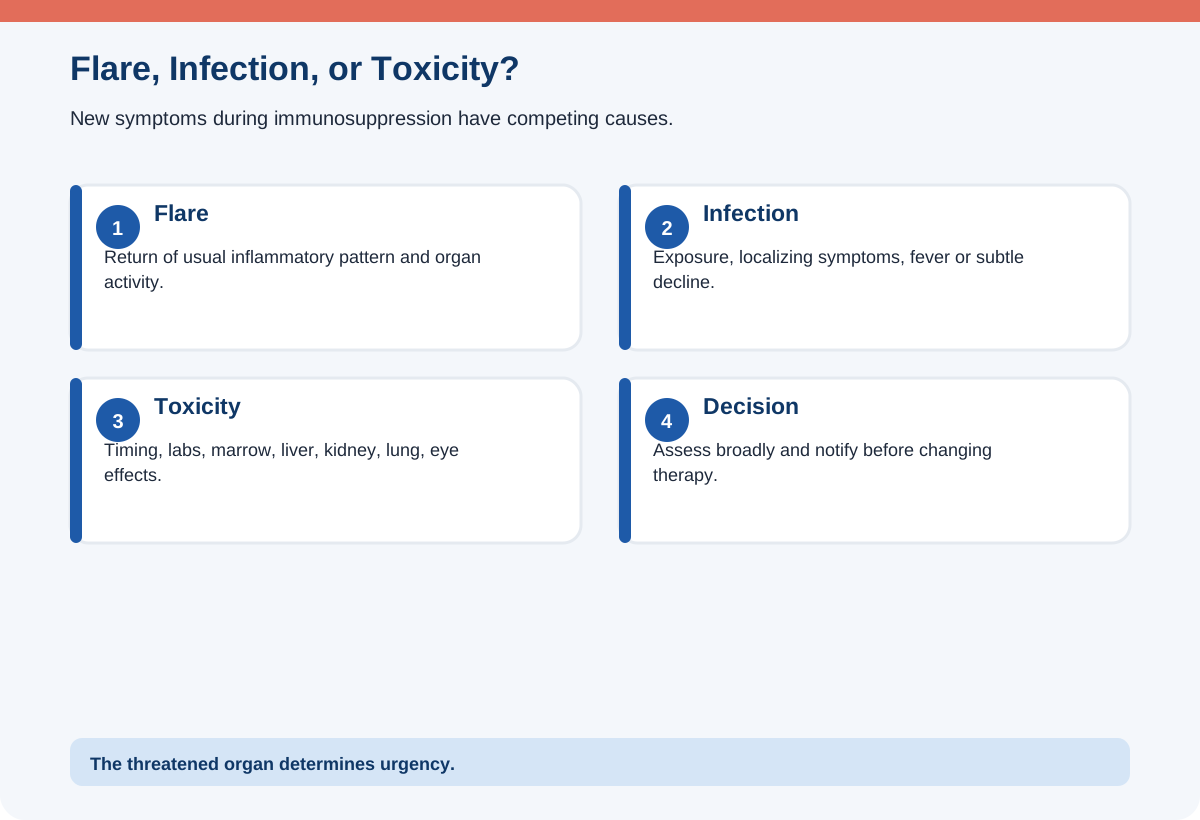
A flare and infection can look similar: fatigue, fever, pain, and inflammatory markers may occur in both. Immunosuppressive medication can hide classic infection signs. Assess cultures, localizing symptoms, medication history, white-cell trends, organ function, and the patient’s usual flare pattern. Do not automatically increase immunosuppression before infection is considered.
Report sudden organ changes. Autoimmune inflammation can affect lungs, heart, kidneys, brain, blood cells, skin, eyes, and vessels. The priority is not the diagnosis label but the threatened organ.
| Condition | Core pattern | High-priority concern |
|---|---|---|
| Lupus | Multisystem autoimmune inflammation | Kidney, neurologic, cardiac/pulmonary involvement |
| Rheumatoid arthritis | Symmetric inflammatory joint disease | Cervical spine, infection, medication toxicity |
| Gout | Monosodium urate crystal arthritis | Severe flare, kidney disease, medication teaching |
| Immunosuppression | Reduced immune activity from treatment | Serious or atypical infection |
Recognize systemic lupus erythematosus
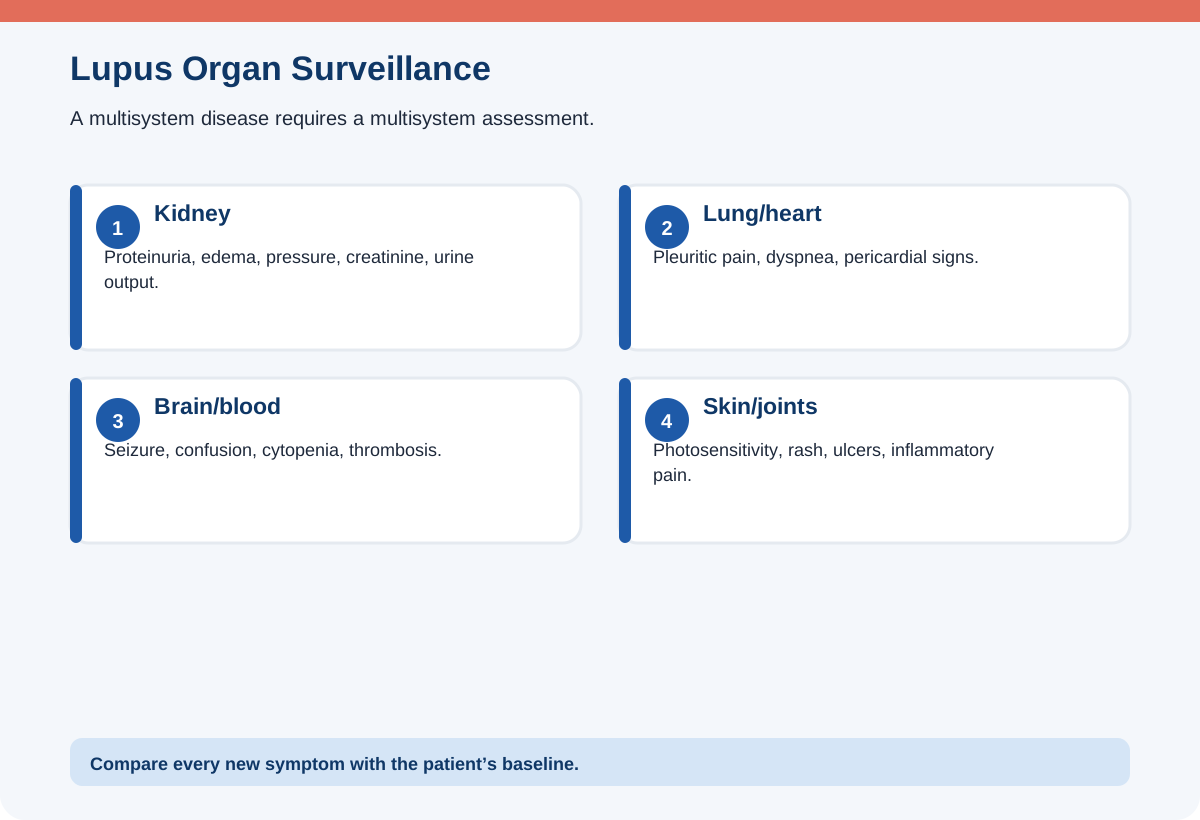
Lupus can cause fatigue, fever, photosensitive rash, oral ulcers, hair loss, joint pain, Raynaud phenomenon, cytopenias, pleuritis, pericarditis, kidney disease, or neurologic symptoms. Manifestations vary widely. Teach sun protection with clothing and broad-spectrum sunscreen, pacing, smoking avoidance, medication adherence, and monitoring for new organ symptoms.
Lupus nephritis may present with proteinuria, hematuria, hypertension, edema, reduced kidney function, or changes in urine output. Track blood pressure, weight, edema, creatinine, and urine findings. Early recognition protects renal function.
Chest pain that changes with breathing may reflect pleuritis, but acute coronary syndrome, pulmonary embolism, infection, and pericardial complications must still be considered. Do not label every symptom as “the lupus.”
Manage rheumatoid arthritis and function
Rheumatoid arthritis typically causes symmetric inflammatory pain and swelling, often in small joints, with prolonged morning stiffness. Chronic inflammation can damage joints and cause deformity, fatigue, anemia, nodules, lung disease, eye problems, and cardiovascular risk.
Balance rest during active inflammation with exercise and range-of-motion work that maintains strength and function. Use heat for stiffness and muscle relaxation, and cold for an acutely inflamed joint when helpful. Occupational therapy, joint protection, assistive devices, and energy conservation support independence.
Cervical spine instability can occur in advanced RA. Before intubation or surgery, report neck pain, neurologic symptoms, or known instability so the airway is managed carefully. Avoid forceful neck manipulation.
Understand gout and urate-lowering therapy
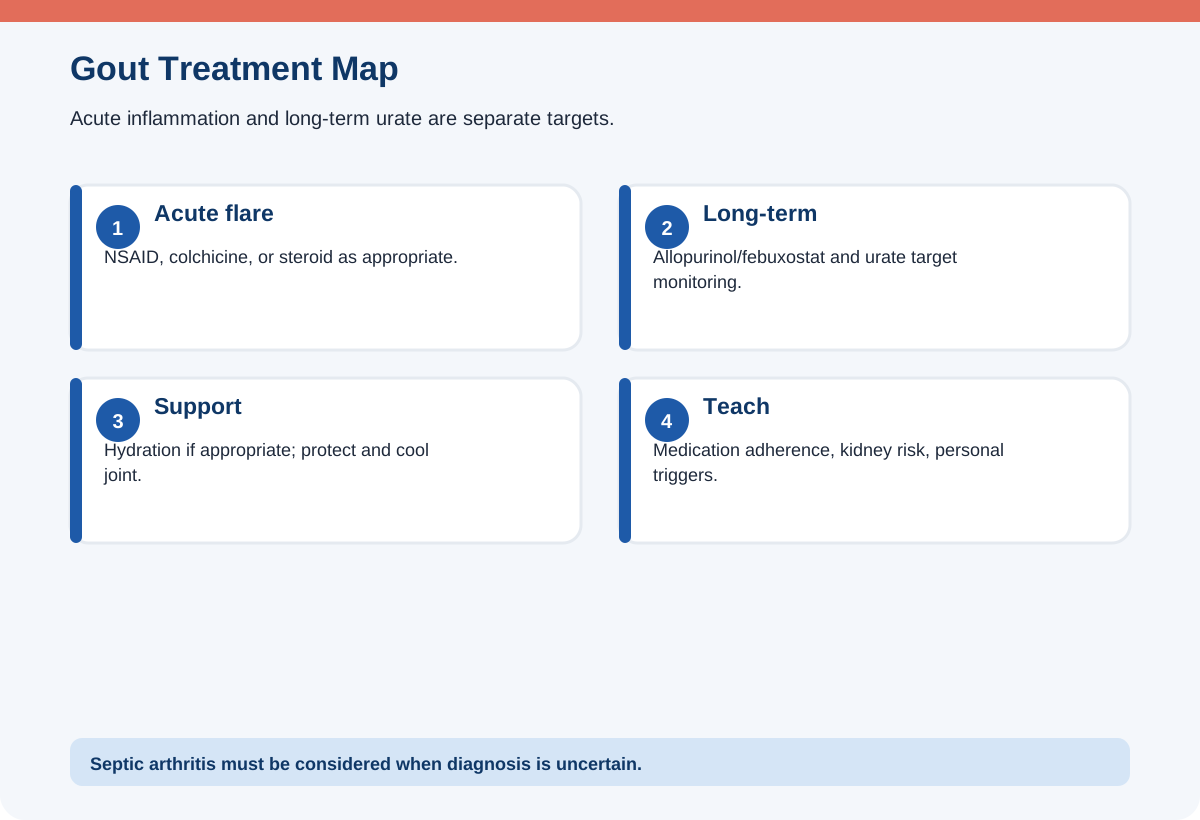
Gout occurs when monosodium urate crystals trigger intense joint inflammation. A flare often causes sudden severe pain, redness, warmth, swelling, and extreme tenderness, commonly at the first metatarsophalangeal joint but also other joints. Fever can occur, so septic arthritis must be considered when the diagnosis is uncertain.
Acute treatment may include nonsteroidal anti-inflammatory drugs, colchicine, or corticosteroids depending on kidney, gastrointestinal, cardiovascular, and medication factors. Long-term urate-lowering therapy such as allopurinol or febuxostat reduces future crystal burden. A patient already taking urate-lowering therapy is often instructed to continue during a flare unless the prescriber says otherwise; stopping and restarting can destabilize urate.
Encourage hydration when appropriate, weight and metabolic-risk management, and limitation of personal dietary triggers such as heavy alcohol intake or large amounts of high-purine meats. Do not imply that diet alone caused the disease or can replace medication when indicated.
Recognize organ-threatening complications
Urgent autoimmune findings include dyspnea, hypoxemia, hemoptysis, chest pain, new neurologic deficit, seizure, severe headache, reduced urine output, rapidly rising blood pressure, major bleeding, fever with immunosuppression, and signs of vasculitis or limb ischemia. These require rapid evaluation even when the patient commonly has pain and fatigue.
Lupus can cause nephritis, serositis, thrombosis in antiphospholipid syndrome, or neuropsychiatric disease. Rheumatoid disease can affect lungs and heart. Immunosuppression increases opportunistic infection risk. Gout and urate-lowering drugs can interact with kidney function and other medications.
Use baseline comparison. New confusion in an older patient taking steroids may be infection, medication effect, metabolic change, or neurologic disease—not simply aging.
Use corticosteroids and DMARDs safely
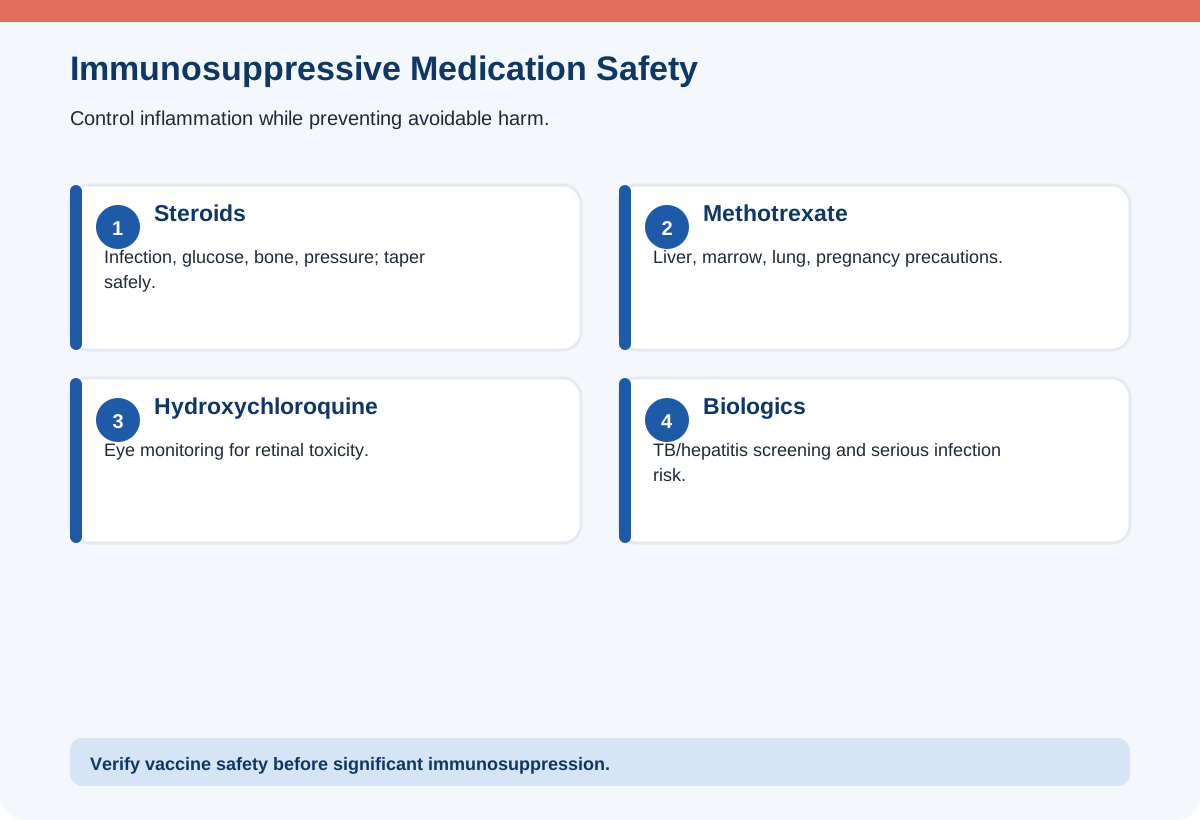
Corticosteroids reduce inflammation quickly but can cause hyperglycemia, hypertension, infection, mood change, osteoporosis, cataracts, poor wound healing, and adrenal suppression. Long-term therapy should not be stopped abruptly because the adrenal glands may not respond adequately. Teach tapering exactly as prescribed and stress-dose guidance when applicable.
Disease-modifying antirheumatic drugs include methotrexate, hydroxychloroquine, sulfasalazine, leflunomide, biologics, and targeted synthetic agents. Methotrexate can affect liver, marrow, lungs, and pregnancy; monitoring and folic acid may be prescribed. Hydroxychloroquine requires periodic eye monitoring because retinal toxicity can occur. Biologics and targeted agents increase infection risk and may require screening for tuberculosis or hepatitis before treatment.
Hold or modify immunosuppressive medication during infection only according to the prescriber’s plan. Verify vaccines before therapy when possible and review live-vaccine restrictions for the specific drug.
Prevent infection and vaccine complications
Teach hand hygiene, dental care, skin inspection, food safety, and prompt reporting of fever, cough, urinary symptoms, wounds, or exposure to communicable illness. Because immunosuppression can blunt fever, worsening fatigue, confusion, hypotension, or poor intake may be the clue.
Inactivated vaccines are generally usable in many immunosuppressed patients, though immune response may be reduced. Live vaccines can be unsafe with significant immunosuppression. The exact decision depends on the medication, dose, timing, disease activity, and vaccine. Verify with the prescriber or pharmacist rather than using one blanket rule.
Screening for latent tuberculosis and hepatitis may be required before certain biologics. The nurse should confirm testing and educate the patient not to ignore chronic cough, night sweats, weight loss, or exposure history.
Support pain, fatigue, mobility, and self-management
Assess pain quality, inflammation, function, sleep, mood, and medication use. Plan demanding activity during the patient’s best-energy period, alternate activity with rest, and use assistive devices to reduce joint strain. Regular low-impact exercise supports cardiovascular health, mood, and function when adapted to disease activity.
Protect joints by using larger muscle groups, avoiding prolonged tight grip, maintaining neutral alignment, and using splints when prescribed. During a severe flare, temporary rest may be needed, but prolonged immobility worsens weakness and stiffness.
Teach a symptom and medication log, laboratory appointments, contraception or pregnancy planning for teratogenic drugs, sun protection in lupus, and when to seek urgent care. Encourage shared decision-making; treatment success includes quality of life, not only laboratory markers.
Clinical integration: connecting the topic to a complete patient picture
Autoimmune care becomes safer when monitoring is linked to the medication and organ at risk. A patient taking methotrexate needs attention to blood counts, liver function, pulmonary symptoms, pregnancy prevention, and interaction risks. A patient taking hydroxychloroquine needs vision monitoring. A patient receiving a biologic needs infection screening and rapid evaluation of fever or unusual illness. “Monitor labs” is too vague; know what harm the medication can cause.
Pregnancy planning deserves special attention because some rheumatologic medicines are teratogenic while uncontrolled disease also creates risk. The nurse should encourage preconception discussion rather than advising the patient to stop medication abruptly. Vaccination planning is also best completed before strong immunosuppression when possible.
A complete case may include fatigue, pain, and a new abnormality. For example, a lupus patient with chronic joint pain develops pleuritic chest pain and oxygen desaturation. The priority is respiratory and thromboembolic assessment, not the scheduled analgesic. An RA patient on a biologic with a warm swollen joint and fever may have septic arthritis rather than a routine flare. The exam rewards candidates who avoid anchoring on the known diagnosis.
Patient teaching should use red-flag categories: infection, breathing, chest pain or clot, kidney/urine change, neurologic change, severe rash or medication reaction, pregnancy, and abrupt steroid interruption. This is easier to remember and more useful than a long list of rare complications.
A simple NCLEX® clinical-judgment workflow
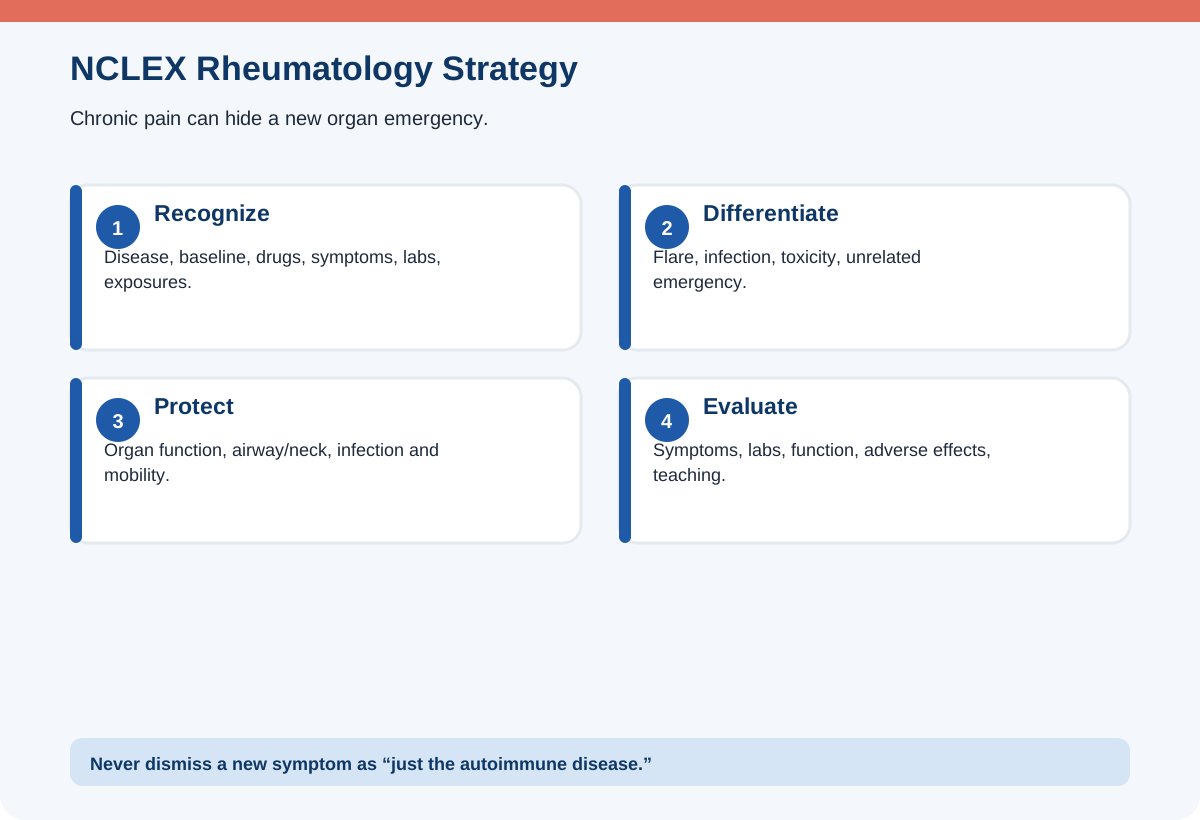
Recognize disease pattern, usual baseline, current medications, infection exposure, organ symptoms, laboratory trends, and functional change. Analyze flare versus infection versus drug toxicity. Prioritize kidney, lung, cardiac, neurologic, thrombotic, septic, or cervical-spine complications. Generate organ protection, infection evaluation, pain/function support, and medication safety actions. Take action without abruptly stopping steroids or assuming every symptom is a flare. Evaluate organ function, infection response, disease activity, mobility, and adverse effects.
Original practice scenarios with rationales
These are original educational examples written for RN Clarity. They are not copied, recalled, or represented as actual NCLEX® questions.
Scenario 1: Lupus kidney change
A patient with lupus develops new edema, hypertension, frothy urine, and rising creatinine.
Best response: Report urgently and evaluate for lupus nephritis.
Rationale: The pattern suggests renal involvement that can threaten long-term kidney function.
Why the alternatives are weaker: Increasing oral salt worsens edema and pressure. Treating only joint pain misses the organ complication.
Scenario 2: Biologic and fever
A patient taking a TNF inhibitor reports fever, cough, and profound weakness.
Best response: Hold the next dose until the prescriber is contacted and arrange prompt infection assessment according to the treatment plan.
Rationale: Serious infection can progress quickly during biologic therapy.
Why the alternatives are weaker: Assuming a flare and increasing immunosuppression may worsen infection. Live vaccine administration during illness is inappropriate.
Scenario 3: Steroid cessation
A patient taking prednisone daily for months says, “I feel better, so I stopped yesterday.”
Best response: Explain the risk of adrenal insufficiency and contact the prescriber for a safe taper plan.
Rationale: Long-term corticosteroids suppress the adrenal axis and should not be stopped abruptly.
Why the alternatives are weaker: Waiting for symptoms can allow crisis. Doubling the dose independently is also unsafe.
Scenario 4: Gout flare medication
A patient taking allopurinol develops an acute gout flare and plans to stop it immediately.
Best response: Teach the patient to contact the prescriber and generally continue established urate-lowering therapy unless instructed otherwise while acute inflammation is treated separately.
Rationale: Abrupt stopping and restarting can destabilize urate; allopurinol does not provide immediate flare pain relief.
Why the alternatives are weaker: Taking extra allopurinol for rapid pain relief is ineffective and unsafe. Ignoring kidney function misses dosing considerations.
Scenario 5: RA before surgery
A patient with longstanding rheumatoid arthritis reports neck pain and hand tingling before surgery.
Best response: Notify anesthesia and the surgical team about possible cervical spine instability before airway manipulation.
Rationale: Forceful neck extension can cause neurologic injury in advanced RA.
Why the alternatives are weaker: Routine positioning without warning is unsafe. Heat alone does not address the airway risk.
Common NCLEX® traps
- Every fever is a flare. Infection must be considered first during immunosuppression.
- Every symptom belongs to the known disease. New organ symptoms require broad assessment.
- Stop steroids abruptly. Adrenal suppression can make this dangerous.
- Live vaccines are always safe. They may be contraindicated with significant immunosuppression.
- Gout is only dietary. Genetics, kidneys, medications, metabolism, and urate burden matter.
- Allopurinol treats immediate pain. It lowers urate over time; acute inflammation needs separate treatment.
- Bed rest protects RA joints. Prolonged immobility worsens function.
- Ignore cervical spine disease. Advanced RA can make airway positioning hazardous.
What to memorize and what to understand
Memorize lupus organ warnings, RA function and cervical-spine precautions, gout acute-versus-long-term treatment, corticosteroid tapering, hydroxychloroquine eye monitoring, methotrexate toxicity, and infection risk with biologics. Understand why infection can mimic a flare and why the threatened organ determines urgency.
Use “flare, infection, toxicity” as the three competing explanations for a new symptom in an immunosuppressed patient.
A seven-day review plan
Day 1: Review autoimmune inflammation and flare versus infection. Day 2: Study lupus skin, kidney, blood, lung, heart, and neurologic findings. Day 3: Review RA joint pattern, function, extra-articular disease, and cervical precautions. Day 4: Study gout physiology, acute therapy, urate lowering, and teaching. Day 5: Build a medication table for steroids, methotrexate, hydroxychloroquine, and biologics. Day 6: Practice infection and vaccine scenarios. Day 7: Complete mixed questions and identify which cue represents an organ-threatening complication.
Frequently asked questions
How can a nurse distinguish an autoimmune flare from infection?
Compare the patient’s usual flare, localizing infection signs, cultures, medication exposure, white-cell and organ trends, and response; do not assume from fever alone.
What lupus finding is especially urgent?
New kidney, neurologic, cardiac, pulmonary, thrombotic, or severe blood-cell involvement requires prompt evaluation.
Why should long-term corticosteroids not be stopped suddenly?
They can suppress adrenal function, creating risk of adrenal insufficiency or crisis.
Does allopurinol relieve an acute gout attack immediately?
No. It lowers urate over time; acute inflammation is treated with other prescribed agents.
What monitoring is important with hydroxychloroquine?
Periodic ophthalmologic monitoring is important because retinal toxicity can occur.
Can patients on biologics receive live vaccines?
Live vaccines may be unsafe with significant immunosuppression. Verify the specific drug, timing, and current guidance.
Final rapid-review checklist
- I compare flare, infection, and drug toxicity.
- I recognize lupus kidney, neurologic, lung, heart, and clotting complications.
- I protect function in rheumatoid arthritis and report cervical symptoms before airway manipulation.
- I distinguish acute gout therapy from long-term urate lowering.
- I never advise abrupt cessation of chronic steroids.
- I know methotrexate, hydroxychloroquine, and biologics require monitoring.
- I verify live-vaccine safety with the specific immunosuppressant.
- I prioritize organ-threatening changes over chronic pain.
Sources and further reading
- NCSBN, 2026 NCLEX-RN® Test Plan: https://www.nclex.com/test-plans.page
- NIAMS, Arthritis and Rheumatic Diseases: https://www.niams.nih.gov/health-topics/arthritis-and-rheumatic-diseases
- NIAMS, Rheumatoid Arthritis: https://www.niams.nih.gov/health-topics/rheumatoid-arthritis
- NIAMS, Lupus: https://www.niams.nih.gov/health-topics/lupus
- NIAMS, Gout: https://www.niams.nih.gov/health-topics/gout
- American College of Rheumatology, patient resources: https://rheumatology.org/patients
Educational disclaimer
RN Clarity provides educational study support only. This article is not medical advice, does not replace a nursing program, clinical instructor, employer policy, or current provider order, and is not affiliated with or endorsed by NCSBN, Pearson VUE, or the NCLEX-RN® program. In an actual clinical setting, follow current laws, facility policies, approved references, and the directions of the responsible licensed clinician.
Structured data
{
  "@context": "https://schema.org",
  "@graph": [
    {
      "@type": "BlogPosting",
      "headline": "NCLEX-RN® Autoimmune and Rheumatologic Disorders: Lupus, Rheumatoid Arthritis, Gout, and Immunosuppressive Safety",
      "description": "Learn lupus, rheumatoid arthritis, gout, flare assessment, organ complications, immunosuppressant safety, infection prevention, and NCLEX® priorities.",
      "mainEntityOfPage": {
        "@type": "WebPage",
        "@id": "https://rnclarity.com/blog/nclex-rn-autoimmune-rheumatologic-lupus-rheumatoid-gout"
      },
      "url": "https://rnclarity.com/blog/nclex-rn-autoimmune-rheumatologic-lupus-rheumatoid-gout",
      "datePublished": "ACTUAL_FIRST_LIVE_DATE",
      "dateModified": "ACTUAL_FIRST_LIVE_DATE",
      "author": {
        "@type": "Organization",
        "name": "RN Clarity"
      },
      "publisher": {
        "@type": "Organization",
        "name": "RN Clarity"
      },
      "inLanguage": "en-US",
      "isAccessibleForFree": true,
      "about": [
        "NCLEX-RN® examination",
        "Nursing education",
        "NCLEX® autoimmune rheumatologic disorders"
      ]
    },
    {
      "@type": "BreadcrumbList",
      "itemListElement": [
        {
          "@type": "ListItem",
          "position": 1,
          "name": "Home",
          "item": "https://rnclarity.com/"
        },
        {
          "@type": "ListItem",
          "position": 2,
          "name": "Blog",
          "item": "https://rnclarity.com/blog"
        },
        {
          "@type": "ListItem",
          "position": 3,
          "name": "NCLEX-RN® Autoimmune and Rheumatologic Disorders: Lupus, Rheumatoid Arthritis, Gout, and Immunosuppressive Safety",
          "item": "https://rnclarity.com/blog/nclex-rn-autoimmune-rheumatologic-lupus-rheumatoid-gout"
        }
      ]
    },
    {
      "@type": "FAQPage",
      "mainEntity": [
        {
          "@type": "Question",
          "name": "How can a nurse distinguish an autoimmune flare from infection?",
          "acceptedAnswer": {
            "@type": "Answer",
            "text": "Compare the patient’s usual flare, localizing infection signs, cultures, medication exposure, white-cell and organ trends, and response; do not assume from fever alone."
          }
        },
        {
          "@type": "Question",
          "name": "What lupus finding is especially urgent?",
          "acceptedAnswer": {
            "@type": "Answer",
            "text": "New kidney, neurologic, cardiac, pulmonary, thrombotic, or severe blood-cell involvement requires prompt evaluation."
          }
        },
        {
          "@type": "Question",
          "name": "Why should long-term corticosteroids not be stopped suddenly?",
          "acceptedAnswer": {
            "@type": "Answer",
            "text": "They can suppress adrenal function, creating risk of adrenal insufficiency or crisis."
          }
        },
        {
          "@type": "Question",
          "name": "Does allopurinol relieve an acute gout attack immediately?",
          "acceptedAnswer": {
            "@type": "Answer",
            "text": "No. It lowers urate over time; acute inflammation is treated with other prescribed agents."
          }
        },
        {
          "@type": "Question",
          "name": "What monitoring is important with hydroxychloroquine?",
          "acceptedAnswer": {
            "@type": "Answer",
            "text": "Periodic ophthalmologic monitoring is important because retinal toxicity can occur."
          }
        },
        {
          "@type": "Question",
          "name": "Can patients on biologics receive live vaccines?",
          "acceptedAnswer": {
            "@type": "Answer",
            "text": "Live vaccines may be unsafe with significant immunosuppression. Verify the specific drug, timing, and current guidance."
          }
        }
      ]
    }
  ]
}