NCLEX-RN® Eating Disorders: Anorexia, Bulimia, Binge-Eating Disorder, Refeeding, and Safety
Review eating disorders, refeeding risk, assessment findings, and nursing safety priorities.
postNumber: 86 title: "NCLEX-RN® Eating Disorders: Anorexia, Bulimia, Binge-Eating Disorder, Refeeding, and Safety" h1: "NCLEX-RN® Eating Disorders: Anorexia, Bulimia, Binge-Eating Disorder, Refeeding, and Safety" slug: "nclex-rn-eating-disorders-anorexia-bulimia-refeeding" canonicalUrl: "https://rnclarity.com/blog/nclex-rn-eating-disorders-anorexia-bulimia-refeeding" primaryKeyword: "NCLEX® eating disorders nursing" secondaryKeywords:
- "anorexia nervosa NCLEX®"
- "bulimia nursing care"
- "refeeding syndrome nursing"
- "eating disorder therapeutic communication"
- "electrolyte complications eating disorders" metaTitle: "NCLEX® Eating Disorders: Anorexia, Bulimia, Refeeding" metaDescription: "Learn anorexia, bulimia, binge-eating disorder, medical instability, refeeding syndrome, meal supervision, communication, and NCLEX® priorities." excerpt: "A compassionate nursing guide to medical stabilization, nutrition restoration, behavioral support, electrolyte safety, and therapeutic care." suggestedPublishDate: "2026-08-31" status: "draft_nurse_review_required" schemaTypes: ["BlogPosting", "FAQPage", "BreadcrumbList"] diagramCount: 5 clinicalReview: "Required before publication"
NCLEX-RN® Eating Disorders: Anorexia, Bulimia, Binge-Eating Disorder, Refeeding, and Safety
Quick answer: The first priority in an eating disorder is medical stability: circulation, cardiac rhythm, electrolytes, glucose, temperature, hydration, and suicide risk. During nutritional rehabilitation, monitor for refeeding syndrome—especially falling phosphate, potassium, and magnesium with fluid shifts and cardiac or respiratory deterioration.
Editorial status: This is a complete educational draft. A qualified U.S. registered nurse or nurse educator should clinically review it before publication. Drug doses, facility procedures, and emergency algorithms must be checked against the current source and local policy.
Suggested reading time: 18–22 minutes
Designed for: NCLEX-RN® candidates, including internationally educated nurses and repeat test-takers.
Table of contents
- Distinguish the major eating disorders
- Recognize medical instability
- Understand anorexia nervosa complications
- Understand bulimia nervosa complications
- Understand binge-eating disorder and ARFID
- Prevent and detect refeeding syndrome
- Use structured meal and behavior support
- Communicate therapeutically and protect safety
- A simple NCLEX® clinical-judgment workflow
- Original practice scenarios with rationales
- Common NCLEX® traps
- What to memorize and what to understand
- A seven-day review plan
- Frequently asked questions
- Final rapid-review checklist
Why this topic matters for the NCLEX-RN®
Eating-disorder questions are not primarily about appearance or weight. They test recognition of malnutrition, purging complications, refeeding risk, distorted body experience, and therapeutic boundaries. A patient may have a body weight that does not look extremely low and still have severe electrolyte or cardiovascular instability.
The nurse combines compassion with structure. Meals, bathroom access, weights, activity, and observation may follow a consistent plan. The nurse avoids bargaining, power struggles, praise based on weight, or reassurance such as “you look fine.” Medical stabilization and psychiatric safety occur together.
Distinguish the major eating disorders
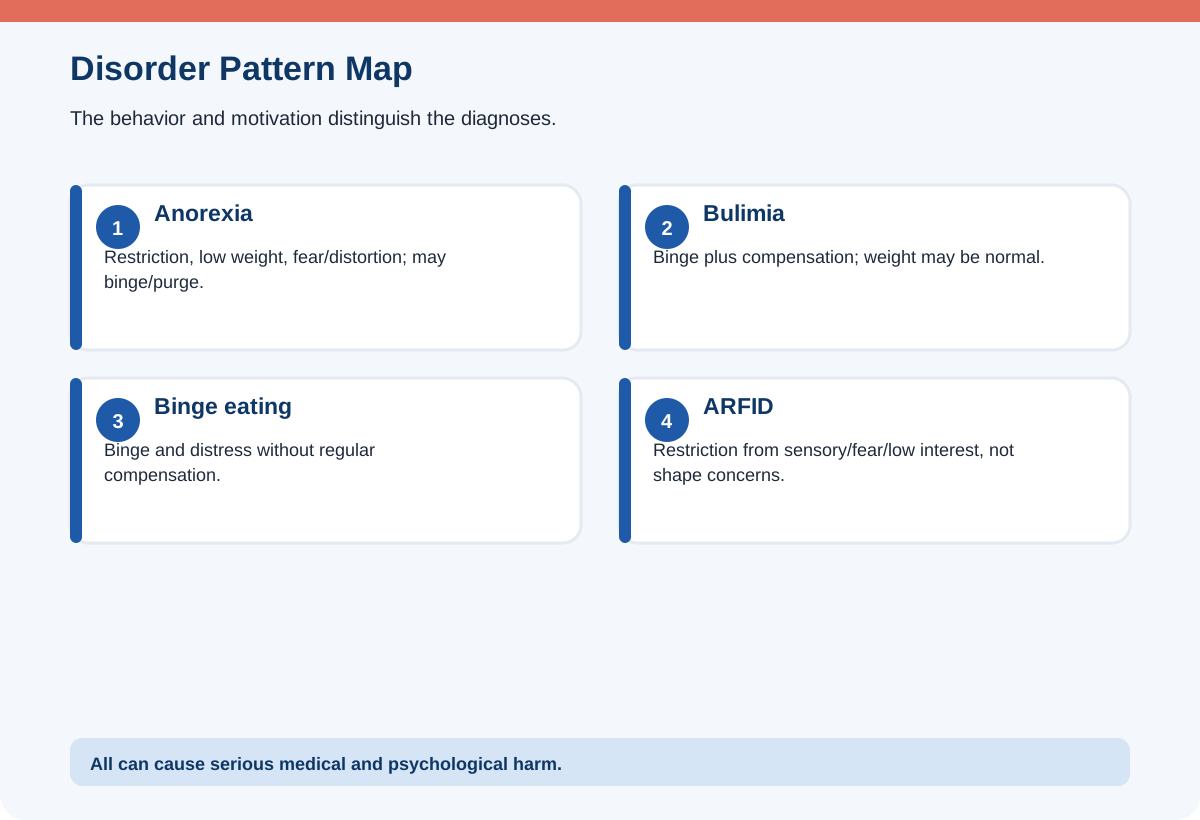
Anorexia nervosa involves restriction leading to significantly low body weight, intense fear of gaining weight or persistent behavior that prevents weight gain, and disturbed self-perception. Some patients also binge and purge. Bulimia nervosa involves recurrent binge episodes with loss of control followed by compensatory behaviors such as vomiting, laxative misuse, fasting, or excessive exercise; body weight may be normal.
Binge-eating disorder involves recurrent binges with distress but without regular compensatory behaviors. Avoidant/restrictive food intake disorder involves inadequate intake related to sensory sensitivity, low interest, or fear of consequences such as choking, without the body-image pattern typical of anorexia.
Do not diagnose from one behavior. Assess frequency, duration, weight trajectory, medical findings, psychological symptoms, and functional impairment. Eating disorders occur across genders, ages, cultures, and body sizes.
| Disorder | Core pattern | Common danger |
|---|---|---|
| Anorexia nervosa | Restriction and low weight with fear/distortion | Bradycardia, hypothermia, organ and bone effects |
| Bulimia nervosa | Binge plus compensatory behavior | Hypokalemia, alkalosis, dysrhythmia, esophageal injury |
| Binge-eating disorder | Binge without regular compensation | Metabolic and psychological complications |
| ARFID | Restriction without weight/shape motivation | Malnutrition, deficiency, growth impact |
Recognize medical instability
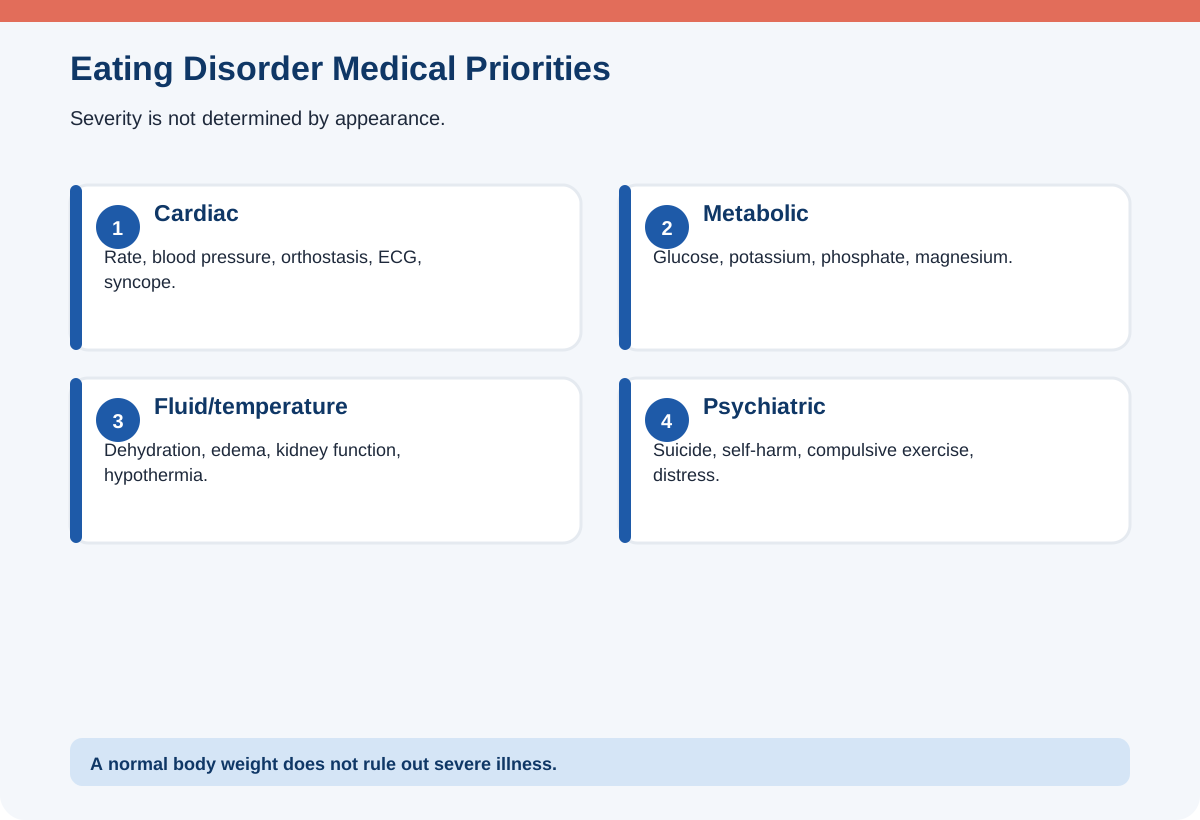
Urgent findings include bradycardia, hypotension, orthostatic changes, syncope, severe dehydration, hypothermia, arrhythmia, chest pain, severe weakness, altered mental status, hematemesis, severe electrolyte abnormality, hypoglycemia, acute kidney injury, and inability to maintain intake. Assess suicide and self-harm risk because eating disorders have substantial psychiatric mortality.
Obtain a careful weight history and vital signs using a consistent method. Laboratory tests may include electrolytes, phosphate, magnesium, glucose, kidney and liver function, blood count, and ECG. A normal single laboratory panel does not prove stability; the body may maintain serum values until reserves are depleted.
Hospitalization criteria depend on age, vital signs, medical complications, psychiatric risk, and available support. The nurse reports instability rather than focusing on whether the patient “looks sick enough.”
Understand anorexia nervosa complications
Starvation slows metabolism. Findings can include bradycardia, low blood pressure, hypothermia, dry skin, lanugo, hair loss, constipation, weakness, amenorrhea or other endocrine changes, infertility, low bone density, anemia, leukopenia, and impaired concentration. Cardiac muscle can shrink, increasing vulnerability during fluid and nutritional shifts.
The patient may exercise despite weakness or deny severity. Avoid debating whether the patient is thin. Focus on objective function: heart rate, dizziness, temperature, concentration, laboratory results, and the body’s need for fuel.
Weight restoration is necessary but psychologically difficult. Use a predictable plan, collaborative language, and specialized therapy. Do not grant extra exercise to “earn” food. Activity is prescribed based on medical stability, not negotiated around calorie intake.
Understand bulimia nervosa complications
Repeated vomiting can cause hypokalemia, hypochloremia, metabolic alkalosis, dehydration, dental enamel erosion, parotid enlargement, sore throat, esophagitis, tears, reflux, and calluses on the hand. Laxative misuse more commonly causes diarrhea, dehydration, metabolic acidosis, and bowel dysfunction, though patterns vary.
Low potassium increases dysrhythmia risk. Assess palpitations, weakness, syncope, ECG changes, and kidney function. Hematemesis, severe chest or abdominal pain, or subcutaneous air can indicate serious gastrointestinal injury.
After meals, structured observation and temporarily limiting unsupervised bathroom access may reduce purging, but the approach should be respectful and explained. Search of belongings or room follows policy and therapeutic planning, not punishment.
Understand binge-eating disorder and ARFID
Binge-eating disorder is associated with distress, shame, depression, and possible metabolic complications, but treatment should not be reduced to weight-loss advice. Evidence-based psychotherapy and selected medications may help. Avoid reinforcing diet culture or recommending restrictive cycles that can intensify binges.
ARFID may present as weight loss, growth failure, nutritional deficiency, reliance on supplements or tube feeding, or major psychosocial interference. The patient may fear choking after a prior event or tolerate only a narrow sensory range. Treatment often combines medical, nutrition, and behavioral expertise.
For every disorder, screen for anxiety, depression, obsessive-compulsive symptoms, trauma, substance use, and neurodevelopmental differences. The behavior may serve a coping function; understanding it helps create alternatives.
Prevent and detect refeeding syndrome
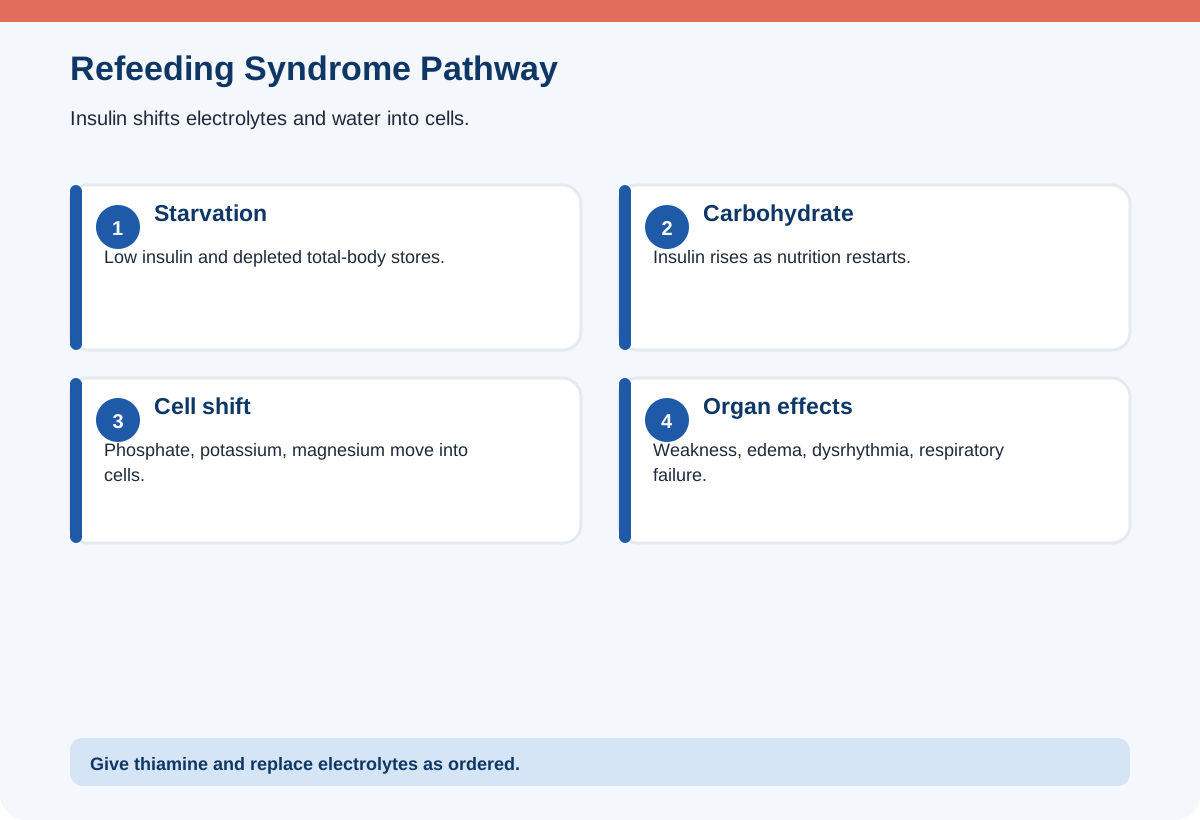
After prolonged undernutrition, insulin rises when carbohydrate is reintroduced, driving phosphate, potassium, magnesium, and water into cells. The resulting depletion can cause weakness, edema, heart failure, dysrhythmias, respiratory failure, delirium, seizures, and death. Risk is highest with severe malnutrition, prolonged little or no intake, major weight loss, low baseline electrolytes, and certain illnesses.
Identify risk before feeding. Obtain baseline electrolytes, glucose, fluid status, and ECG as indicated. Begin nutrition at a medically appropriate rate, give thiamine and electrolyte replacement as ordered, and monitor phosphate, potassium, magnesium, glucose, weight, intake/output, edema, lungs, heart rate, and neurologic status.
Do not respond to edema by stopping all nutrition without evaluation. Edema can be part of refeeding and requires careful management. The safe plan balances the risk of refeeding with the danger of ongoing starvation.
Use structured meal and behavior support
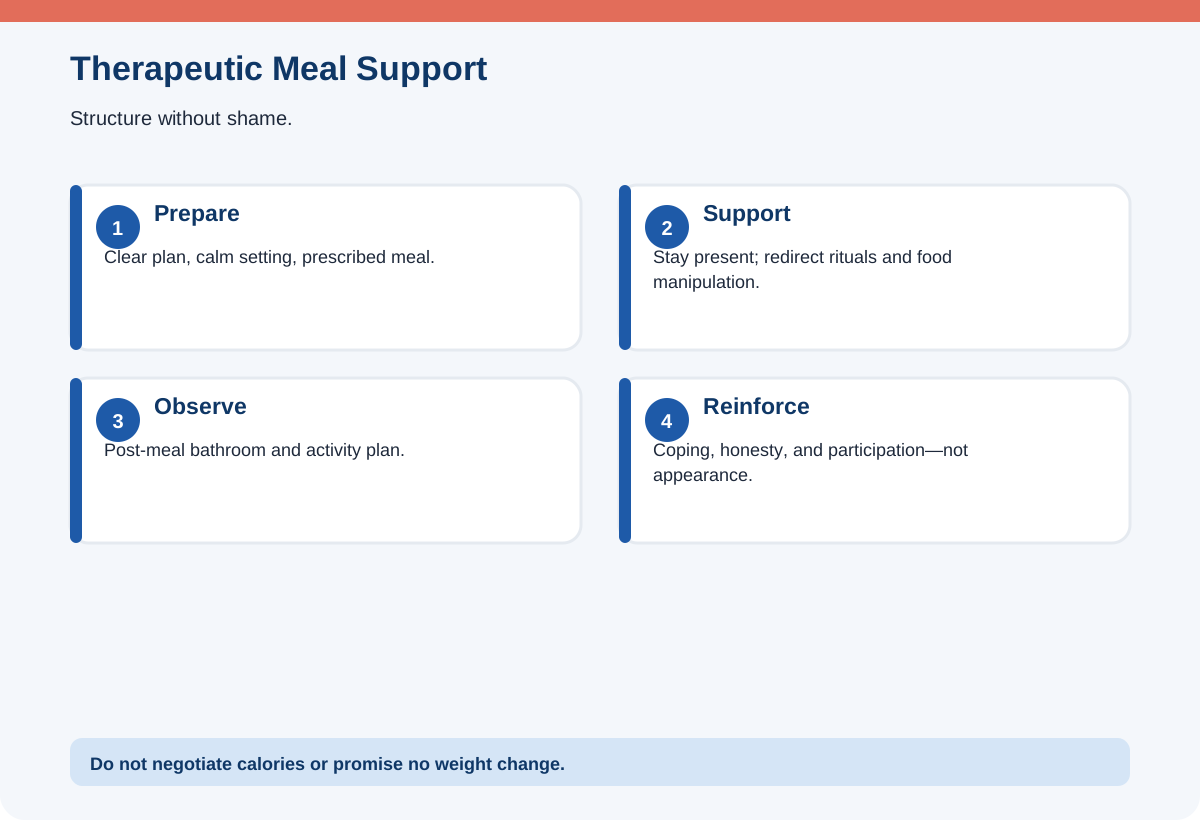
Provide a calm meal environment, clear time limits, prescribed portions, and direct observation according to the plan. Avoid discussing calories, dieting, body size, or staff food choices. Redirect food manipulation, hiding, excessive cutting, or ritualized behavior without shaming.
Weigh at the same time, on the same scale, in similar clothing, after voiding when policy specifies. Whether the patient sees the number depends on the treatment plan. Do not use daily weight changes as praise or criticism because fluid shifts can be misleading.
Set consistent expectations for meals, supplements, activity, and bathroom use. All team members should follow the same plan to reduce splitting and bargaining. Reinforce coping skills, participation, and honesty rather than appearance or weight.
Communicate therapeutically and protect safety
Helpful statements focus on experience and health: “Eating seems frightening right now. I will stay with you while we follow the meal plan.” “You do not have to agree with the body-image thought to choose the next safe action.” Avoid “You are too thin,” “Just eat,” “You look healthy,” or “I wish I had your discipline.”
Do not argue with a distorted belief. Acknowledge the feeling, state reality briefly, and return to the treatment goal. Maintain boundaries without threats. If the patient refuses food, follow the agreed escalation process rather than creating a private bargain.
Assess suicide risk directly, especially after a perceived weight change, conflict, or loss of control. Observe for covert exercise, water loading before weights, medication hiding, and self-harm. Protect dignity during monitoring.
Clinical integration: connecting the topic to a complete patient picture
A full eating-disorder case often changes across phases. On admission, the immediate questions are whether the patient is medically stable and safe from self-harm. During early nutritional restoration, electrolyte and fluid shifts become the major danger. Later, the focus expands to meal completion, coping skills, body-image distress, family patterns, medication adherence, and transition planning. The nurse updates priorities rather than using the same intervention throughout the stay.
Consider a patient with severe restriction, heart rate of 42/min, orthostatic dizziness, low temperature, and a normal potassium level. The normal potassium does not erase the unstable heart rate and circulation. The patient needs monitored medical stabilization. When nutrition begins, the team follows phosphate, potassium, magnesium, glucose, edema, respiration, and cardiac rhythm. If phosphate falls and weakness or dyspnea appears, the nurse treats the change as refeeding risk rather than praising rapid weight gain.
Documentation should be objective: percentage of meal completed, observed behaviors, vital signs, intake and output, supervised bathroom period, statements about self-harm, and response to coping interventions. Avoid judgmental descriptions such as manipulative or attention-seeking. Describe the behavior and its effect on safety. Consistent objective documentation helps the team maintain one treatment plan and prevents the disorder from creating conflicting rules between staff members.
Family teaching should avoid blame. Explain that eating disorders are serious illnesses influenced by biological, psychological, and social factors. Teach families to support the plan without monitoring every bite at home, commenting on bodies, or turning meals into arguments. Emergency instructions should include fainting, chest pain, severe weakness, vomiting blood, confusion, inability to eat or drink, and suicidal thoughts.
Before discharge, confirm who will monitor medical follow-up, how meals will be supported, what activity is permitted, and how the patient will obtain urgent help. Review medication storage, laxative or diuretic misuse, alcohol and stimulant use, and access to scales or fitness trackers when these reinforce symptoms. A relapse-prevention plan should name early warning behaviors, not only weight change: skipped meals, secrecy, increased body checking, compulsive movement, social withdrawal, and renewed purging urges. Early intervention is safer than waiting for severe instability to return.
A simple NCLEX® clinical-judgment workflow
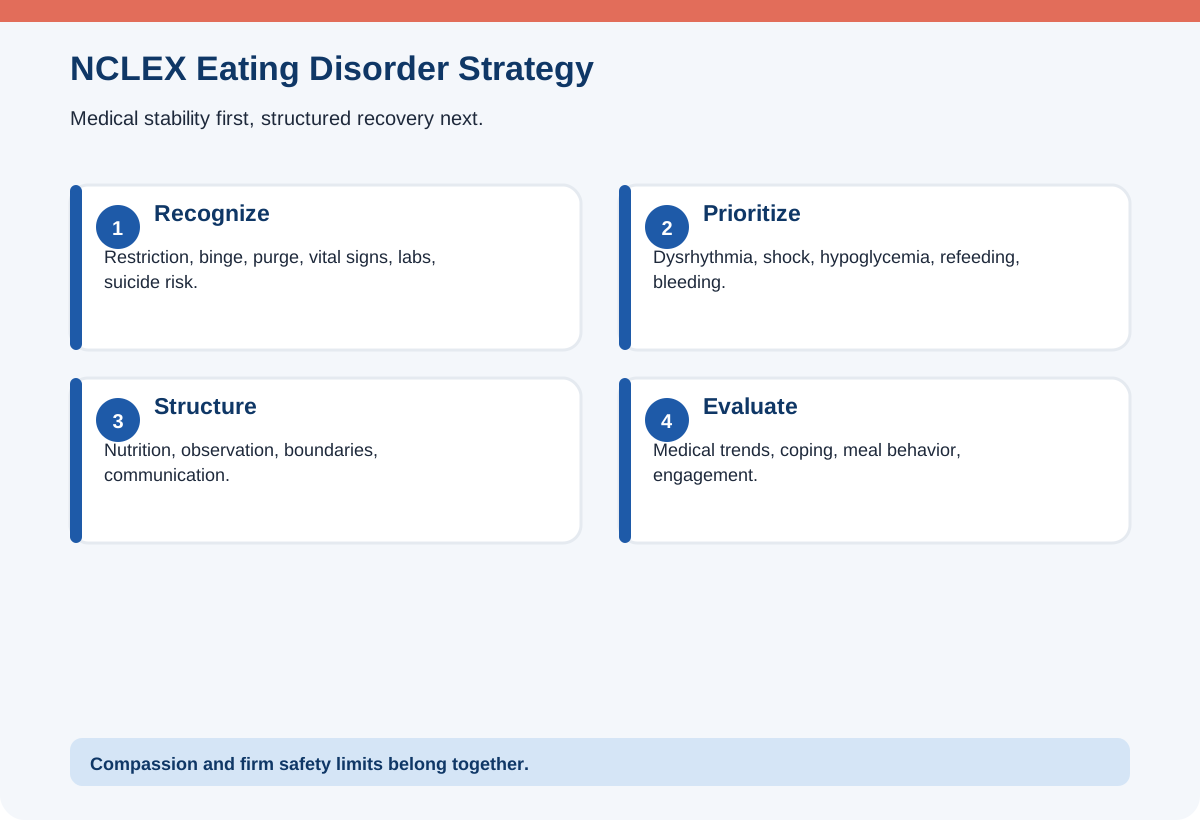
Recognize intake pattern, weight trajectory, purging or exercise, vital signs, ECG, electrolytes, hydration, mental status, and suicide risk. Analyze whether the immediate threat is dysrhythmia, shock, hypoglycemia, gastrointestinal injury, refeeding syndrome, or self-harm. Prioritize stabilization before psychotherapy discussion. Generate a structured, respectful plan. Take action with electrolyte correction, monitored nutrition, observation, and consistent boundaries. Evaluate medical trends, meal completion, coping, honesty, and engagement rather than weight alone.
Original practice scenarios with rationales
These are original educational examples written for RN Clarity. They are not copied, recalled, or represented as actual NCLEX® questions.
Scenario 1: Refeeding warning
Two days after nutrition begins, a severely malnourished patient develops edema, weakness, dyspnea, and a sharply falling phosphate level.
Best response: Treat as possible refeeding syndrome and notify urgently for electrolyte, cardiac, respiratory, and nutrition-plan management.
Rationale: The timing and phosphate shift are classic and can progress to organ failure.
Why the alternatives are weaker: Encouraging exercise worsens demand. Ignoring edema as expected misses a serious complication.
Scenario 2: Bulimia and potassium
A patient who vomits daily reports palpitations and has potassium of 2.7 mEq/L.
Best response: Place on cardiac monitoring, report urgently, stop purging access, and prepare potassium replacement as ordered.
Rationale: Severe hypokalemia can cause fatal dysrhythmias.
Why the alternatives are weaker: Dental teaching is important but not first. Sending the patient to exercise is unsafe.
Scenario 3: Meal refusal
A patient says, “I will eat only if you promise I will not gain weight.”
Best response: Respond, “I cannot make that promise. I can stay with you and help you use the plan safely through this meal.”
Rationale: The response is honest, supportive, and does not reinforce the disorder.
Why the alternatives are weaker: Bargaining undermines treatment. Arguing about appearance increases resistance.
Scenario 4: Water loading
A patient drinks several liters just before a scheduled weight.
Best response: Follow the consistent weighing and fluid-monitoring plan and address the behavior without shame.
Rationale: Water loading can distort weight and create electrolyte risk.
Why the alternatives are weaker: Praise for weight gain reinforces manipulation. Cancelling all fluids without assessment can cause harm.
Scenario 5: Hematemsis after vomiting
A patient with bulimia develops severe chest pain and vomits blood.
Best response: Treat as an emergency and evaluate for esophageal or gastric injury.
Rationale: Bleeding and chest pain can signal a tear or rupture.
Why the alternatives are weaker: Routine antacid teaching delays care. Observing until the next meal is unsafe.
Common NCLEX® traps
- Weight is the only severity marker. Vital signs, electrolytes, ECG, behavior, and psychiatric risk may be severe at any size.
- Just eat. The disorder requires structured medical and psychological treatment.
- Praise thinness or weight gain. Focus on health behaviors and coping rather than appearance.
- Refusal becomes a power struggle. Use the agreed plan and consistent boundaries.
- Normal labs equal safety. Serum values can look normal despite depleted stores.
- Edema means feeding should simply stop. Evaluate for refeeding and manage carefully.
- Bulimia always means low weight. Many patients have a normal or higher body weight.
- Ignore suicide risk. Eating disorders carry substantial self-harm and mortality risk.
What to memorize and what to understand
Memorize the major disorder patterns, high-risk vital and electrolyte findings, common vomiting versus laxative acid-base effects, and the phosphate-centered refeeding pattern. Understand why structure is therapeutic, why weight alone is inadequate, and why a calm boundary is safer than bargaining.
Think “heart, electrolytes, hydration, temperature, glucose, suicide, refeeding” before focusing on the meal behavior.
A seven-day review plan
Day 1: Compare anorexia, bulimia, binge-eating disorder, and ARFID. Day 2: Review starvation physiology and medical instability. Day 3: Study vomiting, laxative, electrolyte, and gastrointestinal complications. Day 4: Draw the refeeding mechanism and monitoring plan. Day 5: Practice meal supervision, weights, bathroom limits, and activity boundaries. Day 6: Rewrite nontherapeutic statements into supportive ones. Day 7: Complete mixed scenarios and identify which patient needs cardiac, emergency, or suicide intervention first.
Frequently asked questions
What is the first priority in anorexia nervosa?
Medical and psychiatric stability: vital signs, cardiac rhythm, electrolytes, glucose, hydration, temperature, and suicide risk.
What electrolyte is especially associated with refeeding syndrome?
Phosphate is central, but potassium and magnesium also fall and fluid shifts can be dangerous.
Can bulimia occur at a normal weight?
Yes. Body weight may be normal, so assess behavior and medical complications.
Why supervise after meals?
It can reduce opportunities for purging and support use of coping skills within a consistent plan.
Should the nurse argue about distorted body image?
No. Acknowledge the feeling, state reality briefly, and redirect to health and the agreed action.
What findings after vomiting are urgent?
Palpitations, syncope, severe weakness, hematemesis, severe chest or abdominal pain, and significant electrolyte abnormalities.
Final rapid-review checklist
- I distinguish anorexia, bulimia, binge-eating disorder, and ARFID.
- I assess medical instability and suicide risk at every body size.
- I recognize hypokalemia and dysrhythmia risk with purging.
- I know falling phosphate can signal refeeding syndrome.
- I use consistent meal, weight, activity, and bathroom plans.
- I avoid bargaining and appearance-based comments.
- I use calm, nonjudgmental therapeutic communication.
- I prioritize heart, electrolytes, hydration, glucose, and safety.
Sources and further reading
- NCSBN, 2026 NCLEX-RN® Test Plan: https://www.nclex.com/test-plans.page
- National Institute of Mental Health, Eating Disorders: https://www.nimh.nih.gov/health/topics/eating-disorders
- NIMH, Eating Disorders: What You Need to Know: https://www.nimh.nih.gov/health/publications/eating-disorders
- National Eating Disorders Association, treatment and screening resources: https://www.nationaleatingdisorders.org/
Educational disclaimer
RN Clarity provides educational study support only. This article is not medical advice, does not replace a nursing program, clinical instructor, employer policy, or current provider order, and is not affiliated with or endorsed by NCSBN, Pearson VUE, or the NCLEX-RN® program. In an actual clinical setting, follow current laws, facility policies, approved references, and the directions of the responsible licensed clinician.
Structured data
{
  "@context": "https://schema.org",
  "@graph": [
    {
      "@type": "BlogPosting",
      "headline": "NCLEX-RN® Eating Disorders: Anorexia, Bulimia, Binge-Eating Disorder, Refeeding, and Safety",
      "description": "Learn anorexia, bulimia, binge-eating disorder, medical instability, refeeding syndrome, meal supervision, communication, and NCLEX® priorities.",
      "mainEntityOfPage": {
        "@type": "WebPage",
        "@id": "https://rnclarity.com/blog/nclex-rn-eating-disorders-anorexia-bulimia-refeeding"
      },
      "url": "https://rnclarity.com/blog/nclex-rn-eating-disorders-anorexia-bulimia-refeeding",
      "datePublished": "ACTUAL_FIRST_LIVE_DATE",
      "dateModified": "ACTUAL_FIRST_LIVE_DATE",
      "author": {
        "@type": "Organization",
        "name": "RN Clarity"
      },
      "publisher": {
        "@type": "Organization",
        "name": "RN Clarity"
      },
      "inLanguage": "en-US",
      "isAccessibleForFree": true,
      "about": [
        "NCLEX-RN® examination",
        "Nursing education",
        "NCLEX® eating disorders nursing"
      ]
    },
    {
      "@type": "BreadcrumbList",
      "itemListElement": [
        {
          "@type": "ListItem",
          "position": 1,
          "name": "Home",
          "item": "https://rnclarity.com/"
        },
        {
          "@type": "ListItem",
          "position": 2,
          "name": "Blog",
          "item": "https://rnclarity.com/blog"
        },
        {
          "@type": "ListItem",
          "position": 3,
          "name": "NCLEX-RN® Eating Disorders: Anorexia, Bulimia, Binge-Eating Disorder, Refeeding, and Safety",
          "item": "https://rnclarity.com/blog/nclex-rn-eating-disorders-anorexia-bulimia-refeeding"
        }
      ]
    },
    {
      "@type": "FAQPage",
      "mainEntity": [
        {
          "@type": "Question",
          "name": "What is the first priority in anorexia nervosa?",
          "acceptedAnswer": {
            "@type": "Answer",
            "text": "Medical and psychiatric stability: vital signs, cardiac rhythm, electrolytes, glucose, hydration, temperature, and suicide risk."
          }
        },
        {
          "@type": "Question",
          "name": "What electrolyte is especially associated with refeeding syndrome?",
          "acceptedAnswer": {
            "@type": "Answer",
            "text": "Phosphate is central, but potassium and magnesium also fall and fluid shifts can be dangerous."
          }
        },
        {
          "@type": "Question",
          "name": "Can bulimia occur at a normal weight?",
          "acceptedAnswer": {
            "@type": "Answer",
            "text": "Yes. Body weight may be normal, so assess behavior and medical complications."
          }
        },
        {
          "@type": "Question",
          "name": "Why supervise after meals?",
          "acceptedAnswer": {
            "@type": "Answer",
            "text": "It can reduce opportunities for purging and support use of coping skills within a consistent plan."
          }
        },
        {
          "@type": "Question",
          "name": "Should the nurse argue about distorted body image?",
          "acceptedAnswer": {
            "@type": "Answer",
            "text": "No. Acknowledge the feeling, state reality briefly, and redirect to health and the agreed action."
          }
        },
        {
          "@type": "Question",
          "name": "What findings after vomiting are urgent?",
          "acceptedAnswer": {
            "@type": "Answer",
            "text": "Palpitations, syncope, severe weakness, hematemesis, severe chest or abdominal pain, and significant electrolyte abnormalities."
          }
        }
      ]
    }
  ]
}