NCLEX-RN® Hematologic Disorders: Anemia, Sickle Cell Disease, Hemophilia, DIC, and Platelet Problems
A focused NCLEX-RN® review of hematologic disorders, priority findings, and nursing safety actions.
postNumber: 79 title: "NCLEX-RN® Hematologic Disorders: Anemia, Sickle Cell Disease, Hemophilia, DIC, and Platelet Problems" h1: "NCLEX-RN® Hematologic Disorders: Anemia, Sickle Cell Disease, Hemophilia, DIC, and Platelet Problems" slug: "nclex-rn-hematologic-disorders-anemia-sickle-cell-dic" canonicalUrl: "https://rnclarity.com/blog/nclex-rn-hematologic-disorders-anemia-sickle-cell-dic" primaryKeyword: "NCLEX® hematologic disorders" secondaryKeywords:
- "anemia NCLEX® nursing"
- "sickle cell crisis nursing priorities"
- "DIC NCLEX®"
- "hemophilia nursing care"
- "thrombocytopenia precautions" metaTitle: "NCLEX® Hematologic Disorders: Anemia, Sickle Cell, DIC" metaDescription: "Learn NCLEX® priorities for anemia, sickle cell disease, hemophilia, thrombocytopenia, neutropenia, and disseminated intravascular coagulation." excerpt: "A high-yield hematology guide focused on oxygen delivery, bleeding, infection risk, crisis recognition, laboratory patterns, and safe nursing actions." suggestedPublishDate: "2026-08-10" status: "draft_nurse_review_required" schemaTypes: ["BlogPosting", "FAQPage", "BreadcrumbList"] diagramCount: 5 clinicalReview: "Required before publication"
NCLEX-RN® Hematologic Disorders: Anemia, Sickle Cell Disease, Hemophilia, DIC, and Platelet Problems
Quick answer: Organize hematology questions around three threats: reduced oxygen delivery, uncontrolled bleeding, and infection. Anemia mainly reduces oxygen-carrying capacity; platelet and clotting disorders increase bleeding risk; neutropenia increases infection risk; DIC can cause both widespread clotting and severe bleeding.
Editorial status: This is a complete educational draft. A qualified U.S. registered nurse or nurse educator should clinically review it before publication. Drug doses, facility procedures, and emergency algorithms must be checked against the current source and local policy.
Suggested reading time: 18–22 minutes
Designed for: NCLEX-RN® candidates, including internationally educated nurses and repeat test-takers.
Table of contents
- Build the blood-function map
- Assess anemia by cause and severity
- Manage sickle cell vaso-occlusive and acute chest crises
- Protect patients with hemophilia and von Willebrand disease
- Respond to thrombocytopenia and immune platelet destruction
- Recognize disseminated intravascular coagulation
- Use neutropenia and pancytopenia precautions
- Interpret key laboratory patterns safely
- A simple NCLEX® clinical-judgment workflow
- Original practice scenarios with rationales
- Common NCLEX® traps
- What to memorize and what to understand
- A seven-day review plan
- Frequently asked questions
- Final rapid-review checklist
Why this topic matters for the NCLEX-RN®
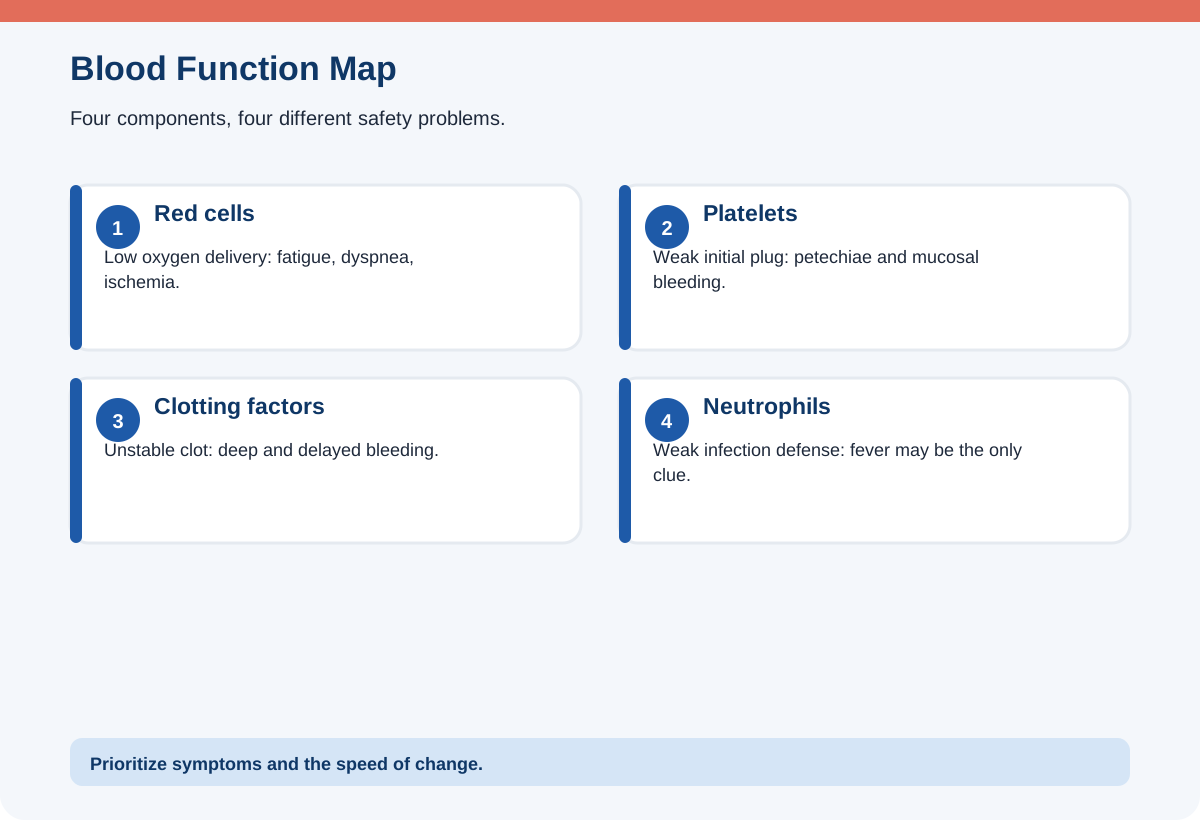
Hematologic questions become easier when you stop treating every abnormal blood count as the same problem. Red blood cells carry oxygen. Platelets help form the first plug. Clotting factors stabilize the clot. White blood cells defend against infection. The patient’s danger depends on which function is failing and how quickly it changed.
The NCLEX-RN® commonly asks which finding is most urgent, which precaution is appropriate, or which intervention is unsafe. A hemoglobin result matters differently in a stable patient with chronic anemia than in a patient with active hemorrhage and chest pain. A low platelet count changes injection, fall, and bleeding precautions. A low absolute neutrophil count changes infection-prevention priorities. This guide connects the laboratory pattern to the bedside consequence.
Build the blood-function map
Red blood cells and hemoglobin deliver oxygen. A low level may cause fatigue, pallor, dyspnea, tachycardia, dizziness, exercise intolerance, chest pain, or altered cognition. Platelets support primary hemostasis, so severe thrombocytopenia commonly produces petechiae, bruising, mucosal bleeding, epistaxis, or prolonged bleeding. Clotting-factor problems often produce deeper bleeding, large ecchymoses, hemarthrosis, or delayed bleeding after a procedure.
White blood cells are not interpreted by the total count alone. The absolute neutrophil count is especially important for bacterial and fungal infection risk. Fever in severe neutropenia is an emergency even when the patient does not look dramatically ill because inflammatory signs can be muted.
Pancytopenia means red cells, white cells, and platelets are all reduced. The nurse therefore combines fatigue and oxygenation assessment, infection prevention, and bleeding precautions. The exam may provide many laboratory values; select the one that explains the patient’s immediate threat rather than choosing the most abnormal-looking number.
| Blood component | Main job | Failure pattern |
|---|---|---|
| Red cells/hemoglobin | Carry oxygen | Fatigue, dyspnea, tachycardia, ischemic symptoms |
| Platelets | Initial clot formation | Petechiae, mucosal bleeding, bruising |
| Clotting factors | Stabilize fibrin clot | Deep tissue and joint bleeding |
| Neutrophils | Fight bacterial/fungal infection | Fever and rapidly progressive infection risk |
Assess anemia by cause and severity
Anemia is a reduction in red-cell mass or hemoglobin, but the cause determines the treatment. Iron-deficiency anemia is often microcytic and may result from blood loss, low intake, malabsorption, or increased need. Teaching includes taking iron as directed, expecting darker stools, increasing iron-rich foods, and reporting persistent gastrointestinal symptoms or evidence of bleeding. Vitamin B12 deficiency can cause neurologic findings in addition to macrocytic anemia; folate deficiency causes macrocytosis but not the same classic neurologic injury.
Acute blood-loss anemia is a circulation problem as well as an oxygen-carrying problem. Initially, hemoglobin may not fully reflect the amount lost because whole blood is lost. Assess hemodynamics, mental status, skin, urine output, source of bleeding, and trend. Chronic anemia may allow physiologic adaptation, but new chest pain, syncope, severe dyspnea, or hemodynamic instability remains urgent.
Do not assume every low hemoglobin requires transfusion. The decision depends on symptoms, rate of change, active bleeding, comorbidities, and clinical orders. Nursing priorities include identifying the cause, conserving energy, preventing falls, supporting nutrition, and monitoring response to treatment.
Manage sickle cell vaso-occlusive and acute chest crises
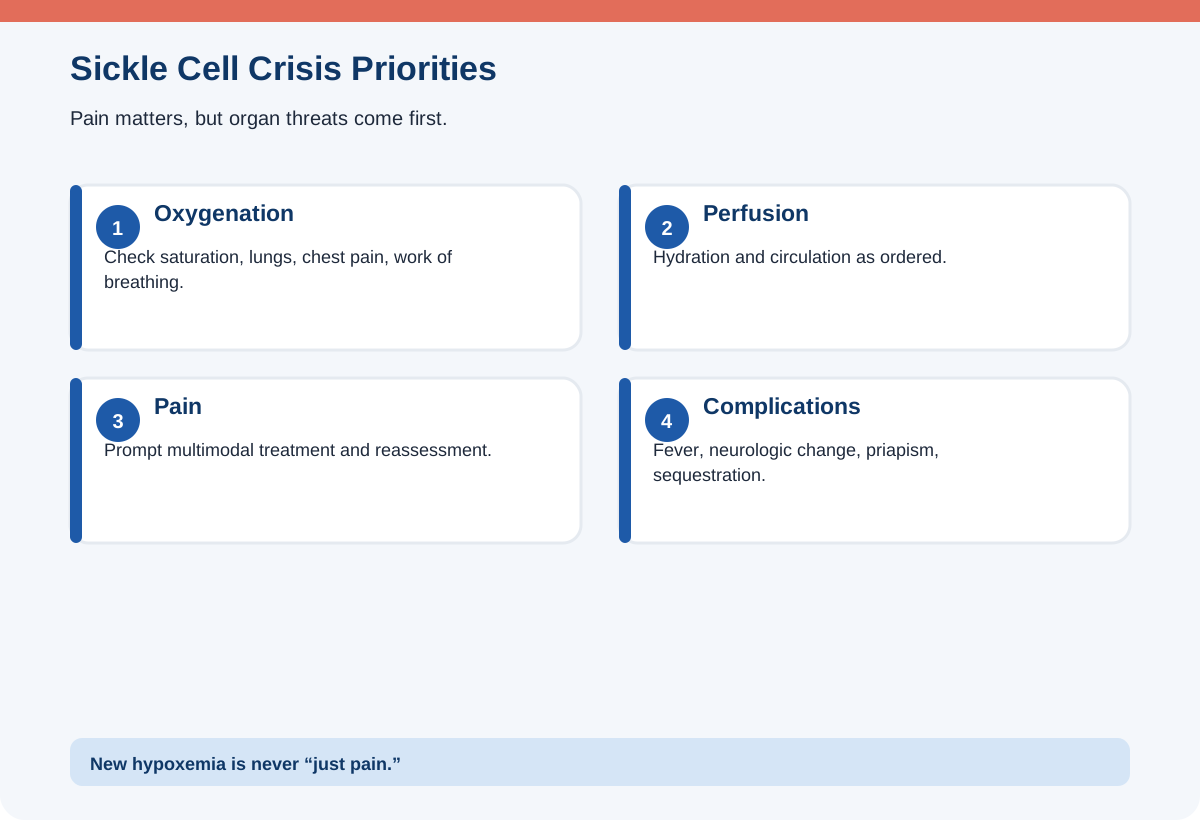
Sickle cell disease causes abnormal hemoglobin that can deform red cells, promote hemolysis, and block microvascular blood flow. Vaso-occlusive episodes cause severe pain and possible ischemic injury. Common triggers include dehydration, infection, hypoxemia, temperature extremes, stress, and high altitude. Treatment priorities commonly include rapid pain management, hydration as ordered, oxygen when hypoxemia is present, warmth, rest, and evaluation for infection or organ complications.
Acute chest syndrome is a life-threatening complication marked by a new pulmonary infiltrate with respiratory symptoms such as chest pain, cough, fever, tachypnea, or hypoxemia. Treat it as an emergency: oxygenation, respiratory support, antibiotics, pain control that does not suppress ventilation, incentive spirometry, and possible transfusion or exchange transfusion according to the plan.
Splenic sequestration, stroke, priapism, severe anemia, and infection are other emergencies. Never label severe pain as drug-seeking. Use validated pain assessment, administer therapy promptly, and reassess both relief and respiratory status.
Protect patients with hemophilia and von Willebrand disease
Hemophilia A involves factor VIII deficiency; hemophilia B involves factor IX deficiency. Bleeding may occur into joints and muscles or after trauma and procedures. Prevent injury, avoid intramuscular injections when alternatives exist, use prolonged pressure after venipuncture, avoid aspirin and other platelet-impairing medications unless specifically prescribed, and administer the ordered factor replacement.
A painful swollen joint may represent hemarthrosis. Protect the joint, limit weight bearing, use cold rather than heat in the acute stage, and give factor therapy and analgesia as ordered. Repeated joint bleeding can cause permanent damage, so early treatment matters.
Von Willebrand disease affects platelet adhesion and factor VIII protection. Mucosal bleeding and heavy menstrual bleeding are common. Desmopressin or von Willebrand factor-containing products may be used depending on the type and situation. The exam-safe principle is to prevent trauma, avoid unnecessary invasive procedures, and replace the missing hemostatic function according to the order.
Respond to thrombocytopenia and immune platelet destruction
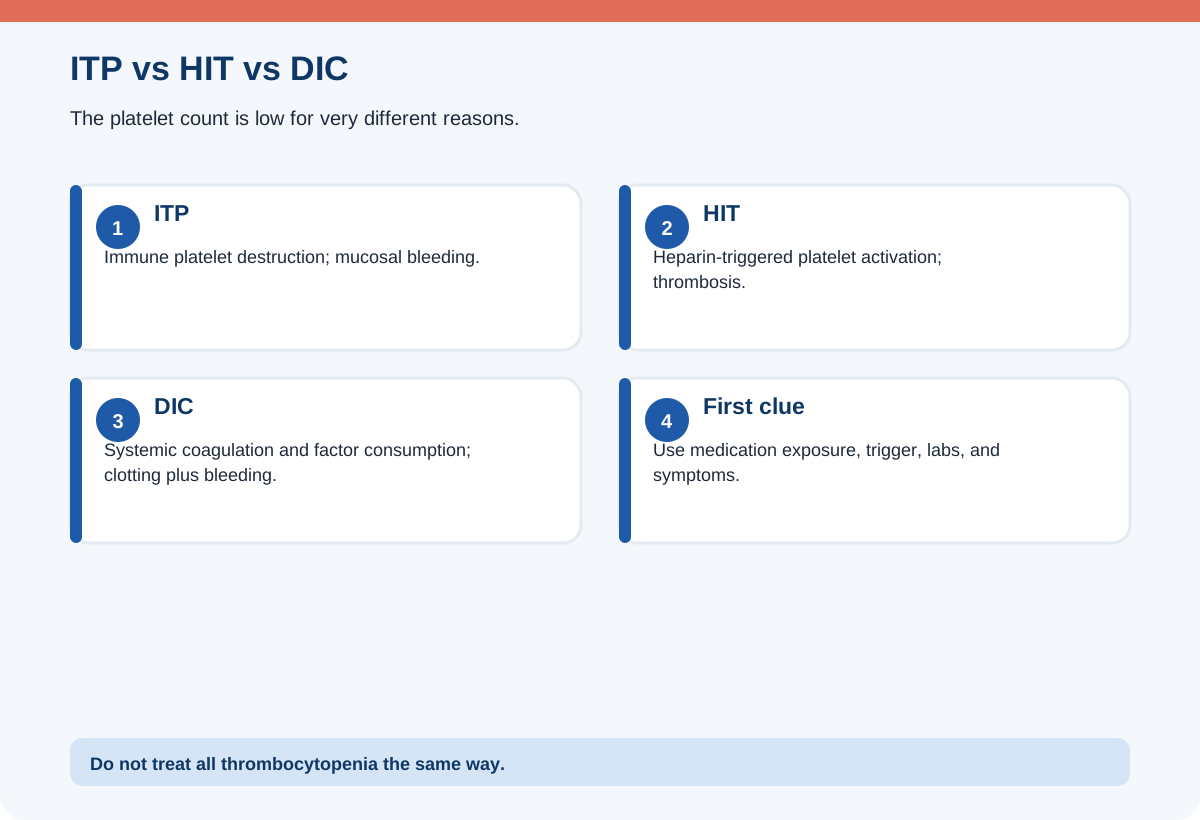
Thrombocytopenia increases bleeding risk, but severity depends on the count, trend, cause, medications, and symptoms. Use a soft toothbrush, electric razor, gentle nose care, fall precautions, and prolonged pressure after punctures. Avoid rectal temperatures, suppositories, unnecessary intramuscular injections, and medications that impair platelets unless specifically ordered.
Immune thrombocytopenia involves immune destruction of platelets. Treatment may include corticosteroids, intravenous immune globulin, other immune therapies, or splenectomy in selected cases. Heparin-induced thrombocytopenia is different: it is a prothrombotic immune reaction. A platelet fall after heparin exposure with new thrombosis requires stopping all heparin and initiating a non-heparin anticoagulant under urgent guidance. Do not give platelets routinely in HIT unless there is a compelling indication because thrombosis is the central danger.
Report neurologic change, severe headache, melena, hematemesis, hematuria, uncontrolled epistaxis, or hemodynamic instability immediately.
Recognize disseminated intravascular coagulation
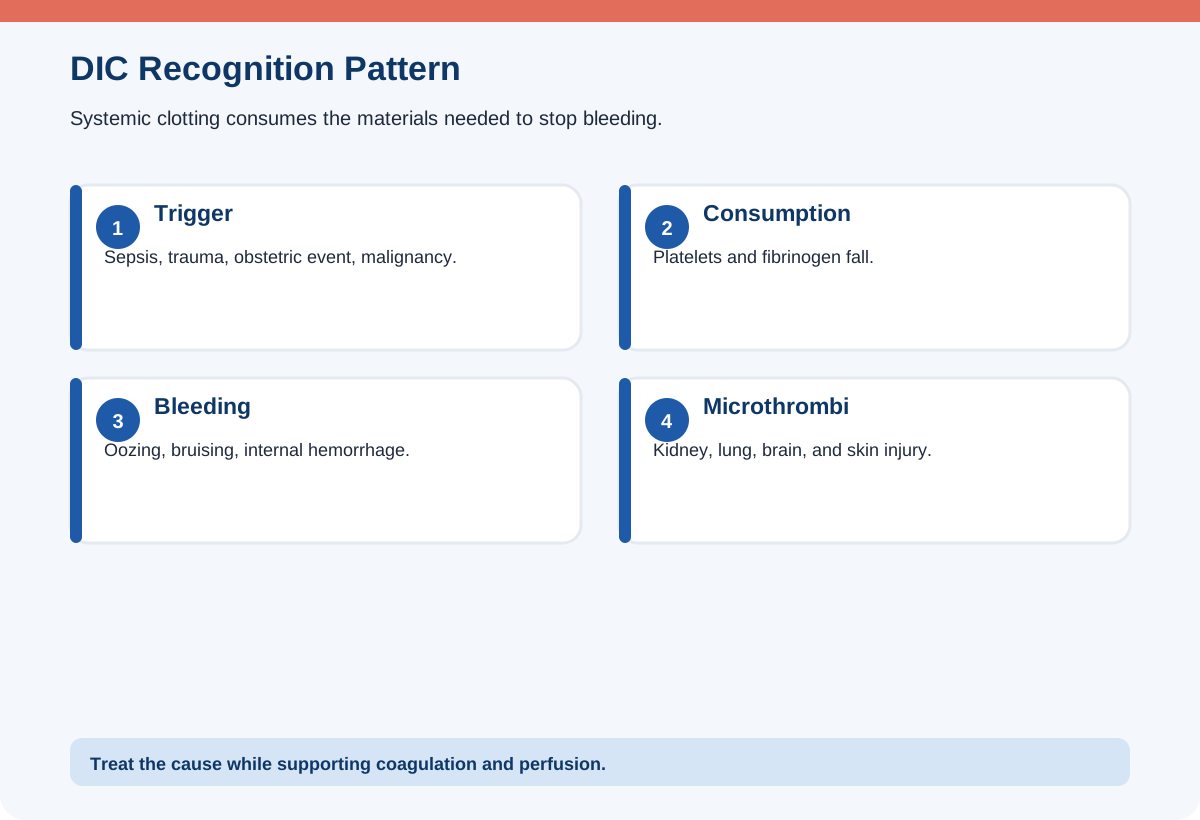
DIC is uncontrolled systemic activation of coagulation, leading to widespread microthrombi, consumption of platelets and clotting factors, and secondary bleeding. It is not a stand-alone disease; it is triggered by conditions such as sepsis, major trauma, obstetric catastrophe, malignancy, or severe tissue injury.
Findings can include oozing from IV sites, ecchymoses, petechiae, bleeding from mucosa or wounds, hematuria, gastrointestinal bleeding, altered organ function, cool extremities, respiratory distress, or shock. Laboratory patterns often include low platelets, prolonged PT and aPTT, elevated D-dimer or fibrin-degradation products, and low fibrinogen, although patterns evolve.
The most important treatment is rapid correction of the cause. Supportive therapy may include blood products, fibrinogen replacement, and sometimes anticoagulation in selected thrombotic-dominant situations under specialist direction. The nurse monitors bleeding, perfusion, neurologic status, urine output, respiratory function, and laboratory trends while minimizing unnecessary punctures.
Use neutropenia and pancytopenia precautions
A neutropenic patient may not produce pus, marked redness, or a high white count. Fever can be the first and only sign of severe infection. Obtain cultures and begin prescribed broad-spectrum antimicrobials promptly; do not delay therapy while waiting for every result. Monitor the mouth, skin, lungs, urine, perineum, vascular access, and any subtle change in mental status.
Use meticulous hand hygiene, screen visitors according to policy, avoid exposure to people with communicable illness, and follow food-safety guidance. Routine fresh flowers or raw-food restrictions vary by institution, so prioritize the policy rather than memorizing an absolute rule.
Pancytopenia combines neutropenic, bleeding, and anemia precautions. Cluster care and allow rest, but do not overlook new dyspnea, fever, or bleeding because the patient is “expected to be tired.” Growth factors or transfusions may be ordered depending on the cause.
Interpret key laboratory patterns safely
A complete blood count provides hemoglobin, hematocrit, red-cell indices, white-cell data, and platelets. Mean corpuscular volume helps categorize anemia as microcytic, normocytic, or macrocytic, but it does not identify the cause by itself. Reticulocytes indicate marrow response. Iron studies, vitamin levels, hemolysis markers, renal function, and bleeding evaluation may be required.
PT/INR reflects the extrinsic/common pathway and is used to monitor warfarin. aPTT or anti-Xa testing may be used for unfractionated heparin according to protocol. Fibrinogen and D-dimer help evaluate DIC, but no single value replaces clinical assessment.
Look for trends and combinations. A falling hemoglobin with tachycardia and abdominal distention may mean internal bleeding even before hypotension. A falling platelet count after heparin may represent HIT even without visible bleeding. A fever with a very low ANC is urgent regardless of the total WBC appearance.
A simple NCLEX® clinical-judgment workflow
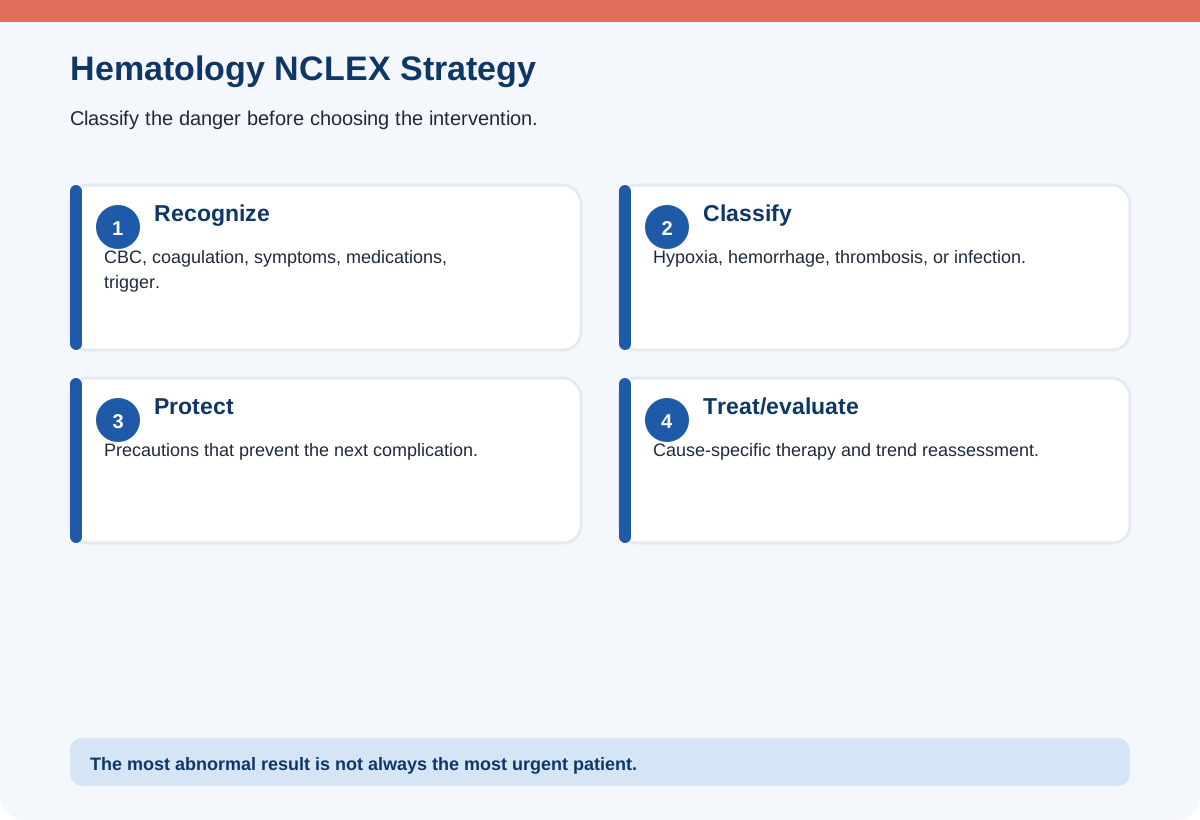
Recognize which blood function is impaired and identify active symptoms. Analyze the rate of change, bleeding source, oxygenation, infection risk, medication exposure, and underlying trigger. Prioritize airway or respiratory failure, shock, neurologic change, severe pain with hypoxemia, uncontrolled bleeding, and fever with neutropenia. Generate protective precautions plus cause-specific treatment. Take action without creating additional bleeding or infection risk. Evaluate trends in symptoms, vital signs, urine output, laboratory values, and response to replacement or disease-specific therapy.
Original practice scenarios with rationales
These are original educational examples written for RN Clarity. They are not copied, recalled, or represented as actual NCLEX® questions.
Scenario 1: Sickle cell with hypoxemia
A patient in a vaso-occlusive crisis develops fever, chest pain, cough, and oxygen saturation of 87%.
Best response: Treat as possible acute chest syndrome and escalate respiratory and medical management immediately.
Rationale: New pulmonary symptoms and hypoxemia in sickle cell disease can progress rapidly and are more urgent than the pain score alone.
Why the alternatives are weaker: Encouraging oral fluids only is insufficient. Increasing opioids without respiratory reassessment can worsen ventilation.
Scenario 2: Fever with neutropenia
A chemotherapy patient has a temperature of 38.3°C (100.9°F) and an ANC of 300/µL.
Best response: Initiate the neutropenic-fever pathway promptly, including cultures and prescribed broad-spectrum antibiotics.
Rationale: Severe neutropenia with fever is an emergency even if other signs are mild.
Why the alternatives are weaker: Waiting for a repeat fever delays treatment. A live vaccine is inappropriate during significant immunosuppression.
Scenario 3: Bleeding precautions
A patient’s platelet count is 18,000/µL and the patient has gum bleeding. Which action should the nurse question?
Best response: An intramuscular injection.
Rationale: The injection can cause a deep hematoma when platelets are severely low.
Why the alternatives are weaker: A soft toothbrush and prolonged pressure after venipuncture reduce bleeding risk.
Scenario 4: Possible HIT
Six days after heparin begins, a patient’s platelets fall by more than half and the leg becomes painful and swollen.
Best response: Stop all heparin and notify urgently for evaluation and non-heparin anticoagulation.
Rationale: HIT is a clotting emergency despite thrombocytopenia.
Why the alternatives are weaker: Giving more heparin worsens the immune reaction. Platelets are not the routine first treatment.
Scenario 5: DIC pattern
A septic patient has oozing IV sites, low platelets, prolonged clotting times, low fibrinogen, and rising D-dimer.
Best response: Recognize DIC, treat the sepsis urgently, minimize invasive procedures, and prepare ordered blood-component support.
Rationale: The combination reflects consumption of platelets and factors with systemic coagulation activation.
Why the alternatives are weaker: Applying pressure to one site alone does not treat the systemic process. Routine ambulation is unsafe in shock and bleeding.
Common NCLEX® traps
- Treat every anemia with iron. Iron helps only when deficiency is present.
- Pain judged as drug-seeking. Sickle cell pain requires prompt, respectful treatment and reassessment.
- Oxygen for everyone automatically. Give oxygen for hypoxemia or another indication, not as a substitute for full crisis care.
- HIT confused with bleeding-only thrombocytopenia. HIT is strongly associated with thrombosis.
- Platelet count without symptoms or trend. Clinical bleeding and cause determine urgency.
- DIC treated without correcting the trigger. Sepsis, trauma, or obstetric cause must be addressed.
- Neutropenia requires dramatic inflammation. Signs may be muted; fever may be the only clue.
- Heat on acute hemarthrosis. Cold and protection are preferred in the acute bleeding stage.
What to memorize and what to understand
Memorize the function of red cells, platelets, clotting factors, and neutrophils; the classic DIC trend; the emergency nature of neutropenic fever; and the difference between bleeding thrombocytopenia and thrombotic HIT. Understand the cause-based approach to anemia and the organ-threatening complications of sickle cell disease.
Use laboratory values to support—not replace—assessment. The same hemoglobin or platelet count can represent different urgency depending on symptoms, active loss, chronicity, and comorbid disease.
A seven-day review plan
Day 1: Draw the blood-function map and link each component to symptoms. Day 2: Compare iron, B12, folate, hemolytic, renal, and blood-loss anemia. Day 3: Study sickle cell triggers, pain crisis, acute chest syndrome, stroke, and splenic sequestration. Day 4: Review hemophilia, von Willebrand disease, and bleeding precautions. Day 5: Compare ITP, HIT, and DIC. Day 6: Practice ANC, CBC, PT/INR, aPTT, fibrinogen, and D-dimer interpretation in scenarios. Day 7: Complete mixed prioritization questions and explain why the most urgent patient is at risk for hypoxia, hemorrhage, or sepsis.
Frequently asked questions
What is the highest priority in a sickle cell crisis?
Assess for life-threatening complications such as hypoxemia, acute chest syndrome, stroke, severe anemia, infection, or sequestration while treating pain promptly.
Why is HIT dangerous if platelets are low?
HIT activates platelets and creates a high risk of arterial and venous thrombosis. The heparin must be stopped and another anticoagulant is usually required.
What is the first priority in DIC?
Treat the underlying trigger while supporting bleeding, perfusion, and organ function.
What precautions are used for severe thrombocytopenia?
Reduce trauma and punctures, avoid rectal and intramuscular procedures when possible, use gentle oral care, and monitor closely for internal bleeding.
Why is neutropenic fever urgent?
The patient may have little reserve and muted inflammatory signs, allowing infection to progress quickly to sepsis.
Does a low hemoglobin always mean transfusion?
No. Symptoms, active bleeding, speed of decline, comorbidities, and the clinical treatment plan determine whether transfusion is appropriate.
Final rapid-review checklist
- I can identify whether oxygen delivery, clotting, platelets, or infection defense is failing.
- I recognize acute chest syndrome and neutropenic fever as emergencies.
- I know bleeding precautions for severe thrombocytopenia and hemophilia.
- I distinguish ITP, HIT, and DIC.
- I use trends and symptoms, not one laboratory number.
- I treat the cause of DIC while supporting bleeding and perfusion.
- I avoid stigmatizing sickle cell pain.
- I know pancytopenia requires combined anemia, infection, and bleeding precautions.
Sources and further reading
- NCSBN, 2026 NCLEX-RN® Test Plan: https://www.nclex.com/test-plans.page
- National Heart, Lung, and Blood Institute, sickle cell disease: https://www.nhlbi.nih.gov/health/sickle-cell-disease
- American Society of Hematology, blood basics and patient resources: https://www.hematology.org/education/patients/blood-basics
- National Cancer Institute, infection and neutropenia information: https://www.cancer.gov/about-cancer/treatment/side-effects/infection
Educational disclaimer
RN Clarity provides educational study support only. This article is not medical advice, does not replace a nursing program, clinical instructor, employer policy, or current provider order, and is not affiliated with or endorsed by NCSBN, Pearson VUE, or the NCLEX-RN® program. In an actual clinical setting, follow current laws, facility policies, approved references, and the directions of the responsible licensed clinician.
Structured data
{
  "@context": "https://schema.org",
  "@graph": [
    {
      "@type": "BlogPosting",
      "headline": "NCLEX-RN® Hematologic Disorders: Anemia, Sickle Cell Disease, Hemophilia, DIC, and Platelet Problems",
      "description": "Learn NCLEX® priorities for anemia, sickle cell disease, hemophilia, thrombocytopenia, neutropenia, and disseminated intravascular coagulation.",
      "mainEntityOfPage": {
        "@type": "WebPage",
        "@id": "https://rnclarity.com/blog/nclex-rn-hematologic-disorders-anemia-sickle-cell-dic"
      },
      "url": "https://rnclarity.com/blog/nclex-rn-hematologic-disorders-anemia-sickle-cell-dic",
      "datePublished": "ACTUAL_FIRST_LIVE_DATE",
      "dateModified": "ACTUAL_FIRST_LIVE_DATE",
      "author": {
        "@type": "Organization",
        "name": "RN Clarity"
      },
      "publisher": {
        "@type": "Organization",
        "name": "RN Clarity"
      },
      "inLanguage": "en-US",
      "isAccessibleForFree": true,
      "about": [
        "NCLEX-RN® examination",
        "Nursing education",
        "NCLEX® hematologic disorders"
      ]
    },
    {
      "@type": "BreadcrumbList",
      "itemListElement": [
        {
          "@type": "ListItem",
          "position": 1,
          "name": "Home",
          "item": "https://rnclarity.com/"
        },
        {
          "@type": "ListItem",
          "position": 2,
          "name": "Blog",
          "item": "https://rnclarity.com/blog"
        },
        {
          "@type": "ListItem",
          "position": 3,
          "name": "NCLEX-RN® Hematologic Disorders: Anemia, Sickle Cell Disease, Hemophilia, DIC, and Platelet Problems",
          "item": "https://rnclarity.com/blog/nclex-rn-hematologic-disorders-anemia-sickle-cell-dic"
        }
      ]
    },
    {
      "@type": "FAQPage",
      "mainEntity": [
        {
          "@type": "Question",
          "name": "What is the highest priority in a sickle cell crisis?",
          "acceptedAnswer": {
            "@type": "Answer",
            "text": "Assess for life-threatening complications such as hypoxemia, acute chest syndrome, stroke, severe anemia, infection, or sequestration while treating pain promptly."
          }
        },
        {
          "@type": "Question",
          "name": "Why is HIT dangerous if platelets are low?",
          "acceptedAnswer": {
            "@type": "Answer",
            "text": "HIT activates platelets and creates a high risk of arterial and venous thrombosis. The heparin must be stopped and another anticoagulant is usually required."
          }
        },
        {
          "@type": "Question",
          "name": "What is the first priority in DIC?",
          "acceptedAnswer": {
            "@type": "Answer",
            "text": "Treat the underlying trigger while supporting bleeding, perfusion, and organ function."
          }
        },
        {
          "@type": "Question",
          "name": "What precautions are used for severe thrombocytopenia?",
          "acceptedAnswer": {
            "@type": "Answer",
            "text": "Reduce trauma and punctures, avoid rectal and intramuscular procedures when possible, use gentle oral care, and monitor closely for internal bleeding."
          }
        },
        {
          "@type": "Question",
          "name": "Why is neutropenic fever urgent?",
          "acceptedAnswer": {
            "@type": "Answer",
            "text": "The patient may have little reserve and muted inflammatory signs, allowing infection to progress quickly to sepsis."
          }
        },
        {
          "@type": "Question",
          "name": "Does a low hemoglobin always mean transfusion?",
          "acceptedAnswer": {
            "@type": "Answer",
            "text": "No. Symptoms, active bleeding, speed of decline, comorbidities, and the clinical treatment plan determine whether transfusion is appropriate."
          }
        }
      ]
    }
  ]
}