NCLEX-RN® Substance Use and Withdrawal: Alcohol, Opioids, Benzodiazepines, and Stimulants
Study substance-use and withdrawal presentations, safety risks, and nursing priorities for NCLEX-RN®.
postNumber: 85 title: "NCLEX-RN® Substance Use and Withdrawal: Alcohol, Opioids, Benzodiazepines, and Stimulants" h1: "NCLEX-RN® Substance Use and Withdrawal: Alcohol, Opioids, Benzodiazepines, and Stimulants" slug: "nclex-rn-substance-use-withdrawal-alcohol-opioids-benzodiazepines" canonicalUrl: "https://rnclarity.com/blog/nclex-rn-substance-use-withdrawal-alcohol-opioids-benzodiazepines" primaryKeyword: "NCLEX® substance use and withdrawal" secondaryKeywords:
- "alcohol withdrawal nursing NCLEX®"
- "opioid withdrawal nursing care"
- "benzodiazepine withdrawal seizure risk"
- "substance use disorder therapeutic communication"
- "CIWA COWS nursing" metaTitle: "NCLEX® Substance Use and Withdrawal Nursing Guide" metaDescription: "Learn alcohol, opioid, benzodiazepine, and stimulant intoxication and withdrawal, emergency priorities, medications, and therapeutic nursing care." excerpt: "A nonjudgmental, safety-focused guide to intoxication, withdrawal, overdose, treatment medications, and NCLEX® prioritization." suggestedPublishDate: "2026-08-28" status: "draft_nurse_review_required" schemaTypes: ["BlogPosting", "FAQPage", "BreadcrumbList"] diagramCount: 5 clinicalReview: "Required before publication"
NCLEX-RN® Substance Use and Withdrawal: Alcohol, Opioids, Benzodiazepines, and Stimulants
Quick answer: Alcohol and benzodiazepine withdrawal can cause seizures and delirium and may be life-threatening. Opioid withdrawal is usually intensely uncomfortable rather than fatal in a healthy adult, but overdose causes fatal respiratory depression. Stabilize airway and circulation, identify the substance and last use, use a validated withdrawal scale, give protocol-based treatment, and avoid stigmatizing language.
Editorial status: This is a complete educational draft. A qualified U.S. registered nurse or nurse educator should clinically review it before publication. Drug doses, facility procedures, and emergency algorithms must be checked against the current source and local policy.
Suggested reading time: 18–22 minutes
Designed for: NCLEX-RN® candidates, including internationally educated nurses and repeat test-takers.
Table of contents
- Use the intoxication-versus-withdrawal map
- Manage alcohol intoxication and withdrawal
- Manage opioid overdose, withdrawal, and treatment
- Manage benzodiazepine withdrawal
- Recognize stimulant intoxication and crash
- Use validated assessment scales safely
- Provide therapeutic communication and boundaries
- Plan discharge, relapse prevention, and harm reduction
- A simple NCLEX® clinical-judgment workflow
- Original practice scenarios with rationales
- Common NCLEX® traps
- What to memorize and what to understand
- A seven-day review plan
- Frequently asked questions
- Final rapid-review checklist
Why this topic matters for the NCLEX-RN®
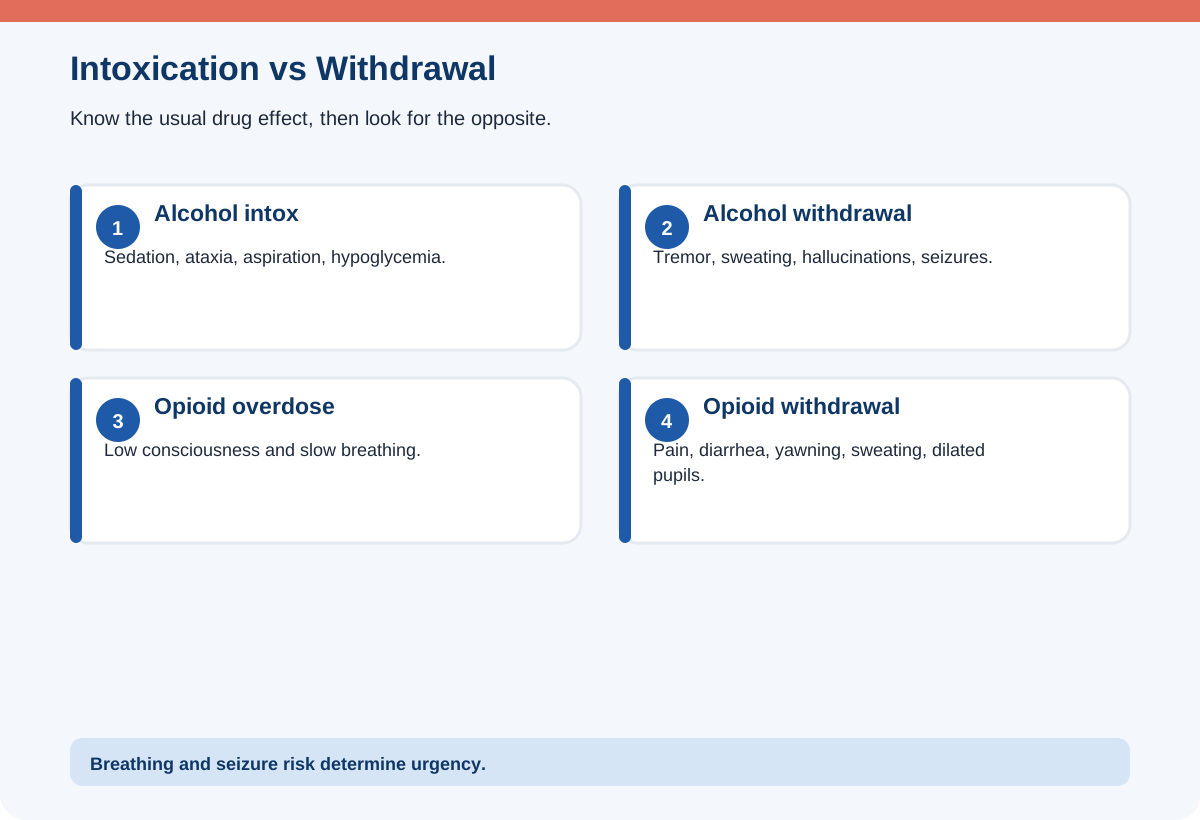
Substance-use questions require two separate maps: intoxication and withdrawal. Alcohol intoxication depresses the nervous system; alcohol withdrawal produces autonomic overactivity, tremor, hallucinations, seizures, and delirium. Opioid intoxication slows breathing; opioid withdrawal produces pain, yawning, diarrhea, vomiting, sweating, dilated pupils, and restlessness. Mixing the maps leads to unsafe answers.
The NCLEX-RN® also tests therapeutic communication and recovery care. Substance use disorder is a chronic, treatable health condition—not a moral failure. The nurse sets boundaries, protects safety, screens for suicide and violence risk, manages withdrawal, teaches overdose prevention, and supports evidence-based medications and follow-up.
Use the intoxication-versus-withdrawal map
Start with the substance’s usual effect. Withdrawal often moves in the opposite direction. Depressants such as alcohol and benzodiazepines cause sedation and slowed coordination during intoxication; withdrawal creates anxiety, tremor, tachycardia, hypertension, insomnia, hallucinations, and seizures. Opioids cause euphoria, sedation, pinpoint pupils, and respiratory depression during overdose; withdrawal causes autonomic and gastrointestinal activation.
Stimulants cause agitation, sweating, hypertension, tachycardia, chest pain, hyperthermia, paranoia, and seizures during intoxication. The later “crash” may include fatigue, depression, increased sleep, craving, and suicide risk.
Always identify last use, amount, frequency, route, tolerance, co-use, prescribed medications, pregnancy status, medical conditions, and prior complicated withdrawal. A patient with a history of withdrawal seizures or delirium is high risk. Do not rely on a urine screen alone because it may not show timing, degree of impairment, or every substance.
| Substance | Intoxication danger | Withdrawal danger |
|---|---|---|
| Alcohol | Airway injury, aspiration, hypoglycemia | Seizures, delirium, autonomic instability |
| Opioids | Respiratory depression and death | Dehydration, distress, relapse/overdose risk |
| Benzodiazepines | Sedation, falls, respiratory depression with co-use | Seizures, delirium, severe anxiety |
| Stimulants | Hyperthermia, ischemia, agitation, seizure | Depression, exhaustion, suicide risk |
Manage alcohol intoxication and withdrawal
For intoxication, protect the airway, assess breathing, glucose, temperature, trauma, co-ingestants, and level of consciousness. Thiamine is commonly given to patients at risk for deficiency, and glucose is treated promptly when low; do not delay emergency glucose for hypoglycemia. Monitor for aspiration and occult head injury.
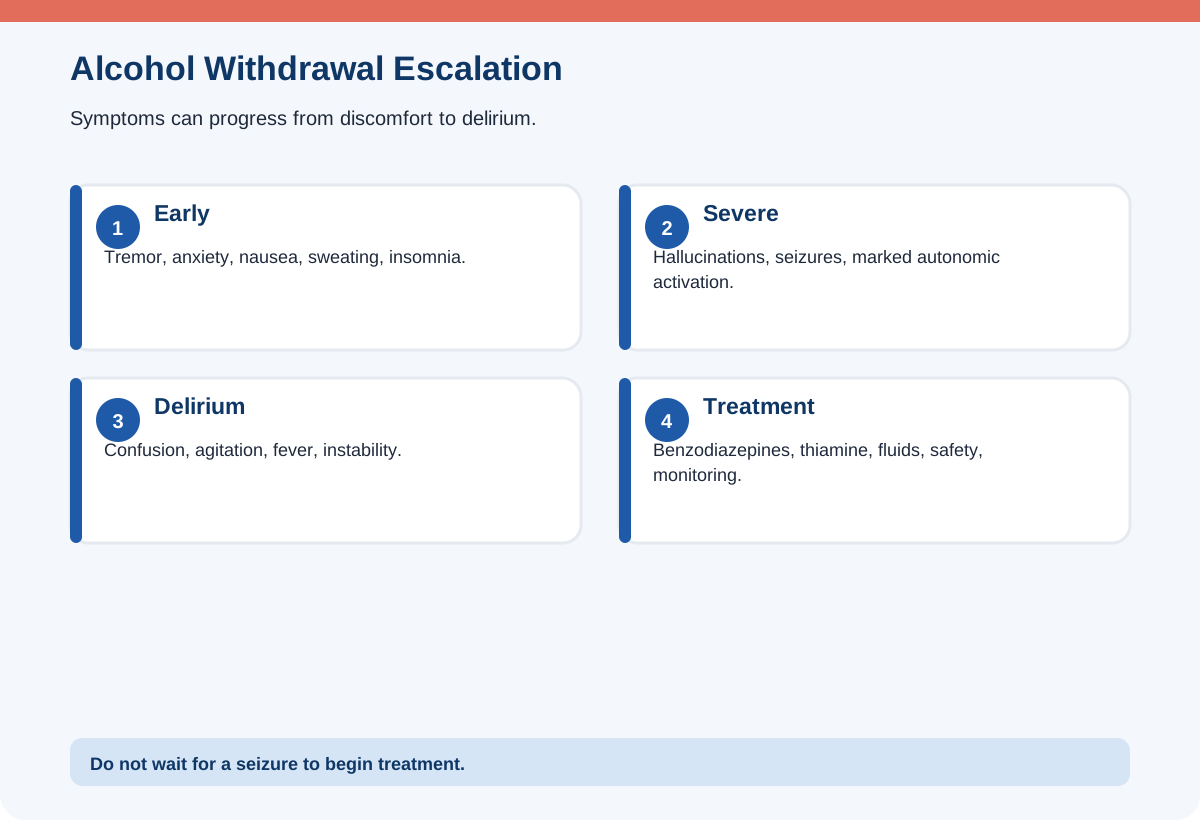
Alcohol withdrawal can begin within hours after reduction or cessation. Early findings include tremor, anxiety, nausea, sweating, insomnia, headache, tachycardia, and hypertension. Hallucinations and seizures can occur. Delirium tremens is a severe state of confusion, agitation, autonomic instability, fever, and hallucinations that usually occurs later and requires intensive treatment.
Benzodiazepines are the main medications for preventing and treating severe alcohol withdrawal. Use symptom-triggered or fixed protocols as ordered, often guided by a validated scale. Provide a low-stimulation environment, seizure and fall precautions, fluids and electrolytes, thiamine and nutrition, and frequent reassessment. Do not use restraints as the first response to agitation when medical withdrawal is the cause.
Manage opioid overdose, withdrawal, and treatment
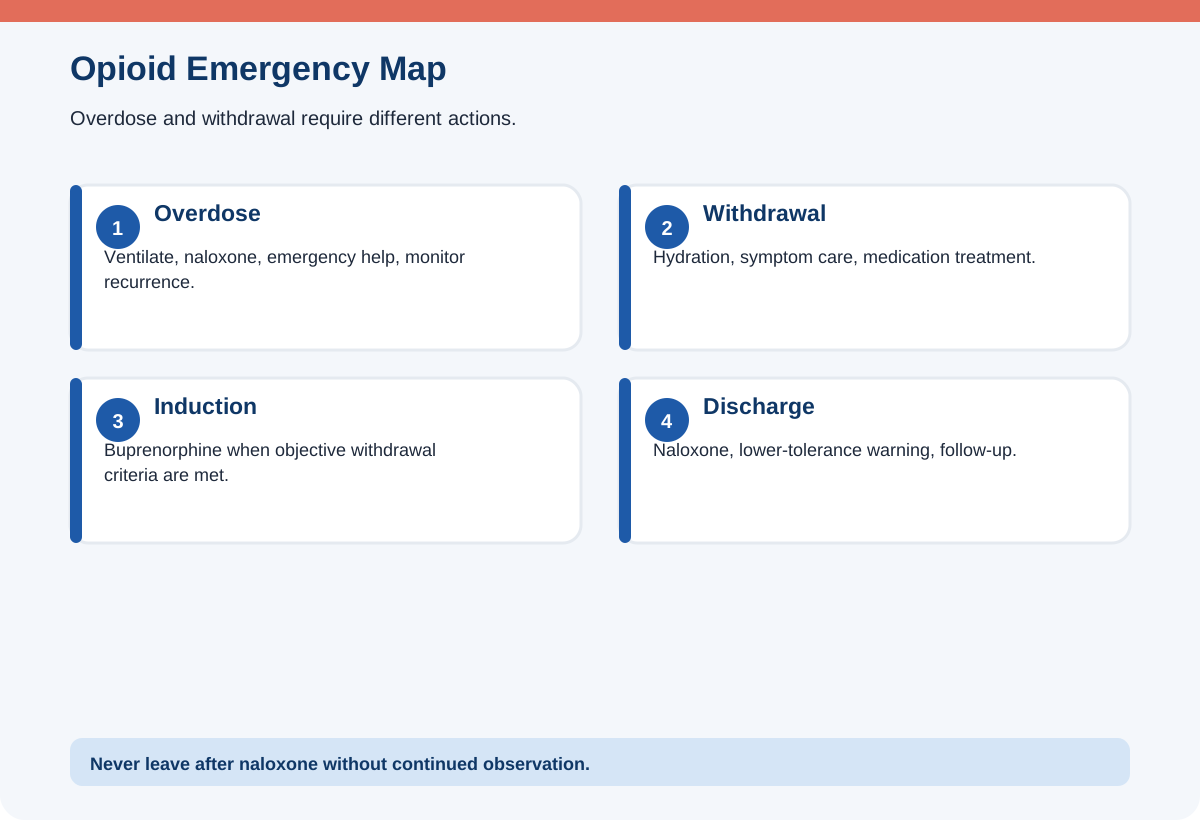
Opioid overdose is recognized by ineffective or absent breathing, reduced consciousness, and often pinpoint pupils. Support ventilation, call emergency help, and administer naloxone according to protocol. Repeated doses may be needed, and monitoring must continue because naloxone may wear off before the opioid. Rapid reversal can produce acute withdrawal, vomiting, agitation, and pain.
Opioid withdrawal commonly causes yawning, lacrimation, rhinorrhea, dilated pupils, gooseflesh, sweating, abdominal cramps, diarrhea, vomiting, muscle and bone pain, insomnia, and anxiety. It is usually not life-threatening in a healthy adult, but dehydration, electrolyte loss, pregnancy, comorbid illness, and return to use create serious risks.
Medications for opioid use disorder include buprenorphine, methadone, and extended-release naltrexone. Buprenorphine is usually started when objective withdrawal is present to avoid precipitated withdrawal. Methadone is a full agonist with respiratory, QT, and interaction risks. Naltrexone requires an opioid-free period and can block opioid analgesia. These medications reduce harm and support recovery; they are not “replacing one addiction with another.”
Manage benzodiazepine withdrawal
Abrupt cessation after regular use can produce rebound anxiety, insomnia, tremor, perceptual disturbance, autonomic activation, delirium, and seizures. Risk depends on dose, duration, half-life, co-use, and history. A supervised gradual taper is safer than sudden discontinuation.
During acute withdrawal, use seizure precautions, monitor vital signs and mental status, reduce stimulation, and administer the prescribed benzodiazepine-based taper or other regimen. Flumazenil is not a routine treatment for dependence or withdrawal and may provoke seizures.
Because alcohol and benzodiazepines act on related inhibitory systems, withdrawal patterns can overlap. Ask about prescribed sleep or anxiety medicines even when the patient denies “drug use.” Never shame a patient for physiologic dependence that developed during prescribed therapy.
Recognize stimulant intoxication and crash
Cocaine, methamphetamine, and other stimulants can cause severe agitation, paranoia, tachycardia, hypertension, chest pain, hyperthermia, dysrhythmia, stroke, seizure, or rhabdomyolysis. Reduce stimulation, protect staff and patient safety, monitor ECG and temperature, treat agitation and seizures per protocol, and evaluate chest pain urgently.
The patient may become exhausted and depressed as the drug effect ends. Sleep and nutrition may improve physical symptoms, but suicide assessment remains essential. Stimulant-induced psychosis can persist beyond the immediate intoxication and requires careful observation.
Avoid arguing with paranoid beliefs. State reality briefly, maintain personal space, offer simple choices, and set clear limits on threatening behavior. A calm environment is therapeutic, but it does not replace treatment of hyperthermia or cardiovascular instability.
Use validated assessment scales safely
The Clinical Institute Withdrawal Assessment for Alcohol, revised, is commonly used to quantify alcohol-withdrawal symptoms. The Clinical Opiate Withdrawal Scale is commonly used for opioid withdrawal. A score supports treatment decisions but does not replace assessment. Severe illness, language barriers, delirium, head injury, or inability to communicate may make a self-report-heavy scale unreliable.
Obtain scores at the required intervals and after medication. Watch trends rather than one number. Document objective findings such as tremor, sweating, vomiting, pupil size, pulse, blood pressure, orientation, hallucinations, and seizure activity.
Do not manipulate the score to fit a desired dose. If the patient is oversedated, has slow breathing, or becomes delirious, stop and reassess rather than automatically giving the next protocol medication.
Provide therapeutic communication and boundaries
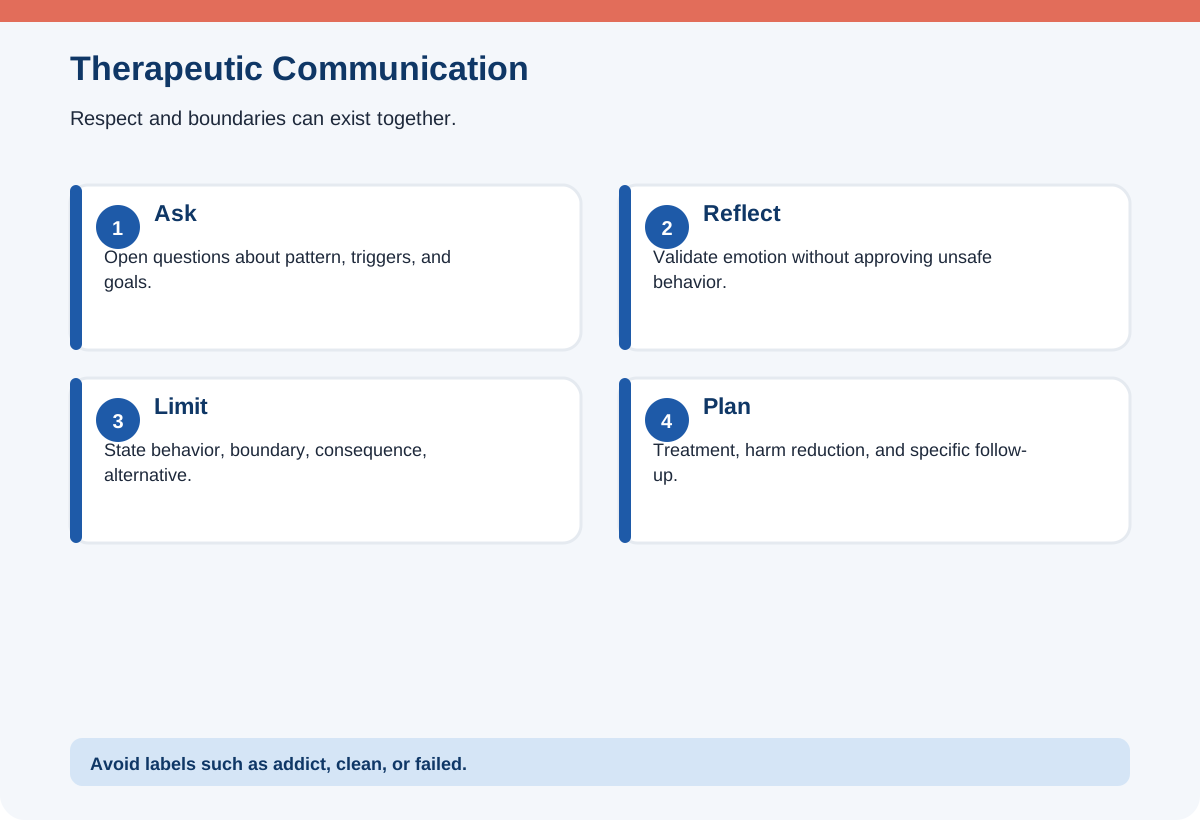
Use person-first language: “a person with opioid use disorder,” not “an addict.” Ask permission to discuss use, express concern without accusation, and use open questions. Statements such as “Tell me what you notice happens before you use” invite reflection. “You need to stop” often ends the conversation.
Set consistent limits: violence, threats, smoking in prohibited areas, and medication diversion are not accepted. Explain the behavior, limit, consequence, and alternative calmly. Avoid power struggles, secret agreements, or bargaining outside the plan.
Screen for suicide, trauma, housing instability, infection risk, pregnancy, and safety of children or dependents. Confidentiality has legal limits when imminent danger or mandatory reporting applies. Consult current policy rather than promising absolute secrecy.
Plan discharge, relapse prevention, and harm reduction
A period of abstinence lowers tolerance, so return to a previous opioid dose can cause fatal overdose. Teach naloxone access, not using alone, avoiding mixing opioids with alcohol or sedatives, and calling emergency services after naloxone. Provide medication-treatment linkage and follow-up appointments before discharge when possible.
For alcohol use disorder, medications may include naltrexone, acamprosate, and disulfiram for selected patients. Match treatment to liver and kidney status, goals, adherence, and contraindications. Recovery supports may include counseling, peer groups, contingency management, housing support, and treatment of co-occurring mental illness.
Relapse is a signal to reassess the plan, not proof that treatment failed. Identify triggers, warning signs, coping strategies, and a specific person or service to contact. Provide written instructions in the patient’s preferred language.
Clinical integration: connecting the topic to a complete patient picture
Substance use can coexist with infection, trauma, pregnancy, chronic pain, or mental illness. A patient who is agitated and sweating may be withdrawing from alcohol, intoxicated with a stimulant, septic, hypoglycemic, or experiencing more than one problem. Check glucose, temperature, oxygenation, vital signs, medication history, last use, injury, and mental status before deciding that all symptoms are behavioral.
Medication safety also requires recognizing cross-tolerance and combined respiratory effects. Alcohol, opioids, benzodiazepines, sedating antihistamines, gabapentinoids, and other central nervous system depressants can combine to suppress breathing. A patient receiving benzodiazepines for alcohol withdrawal must be reassessed for sedation and respiratory compromise, especially if opioids or lung disease are present. Protocol-based treatment is structured care, not permission to give a dose without reassessment.
At discharge, a useful plan is specific rather than motivational. It identifies the medication appointment, naloxone location, safe transportation, a person to contact during craving, housing and food needs, suicide warning signs, and what to do after a return to use. The nurse verifies understanding with teach-back. Recovery safety is strongest when the patient leaves with real connections rather than a generic instruction to attend a meeting.
A simple NCLEX® clinical-judgment workflow
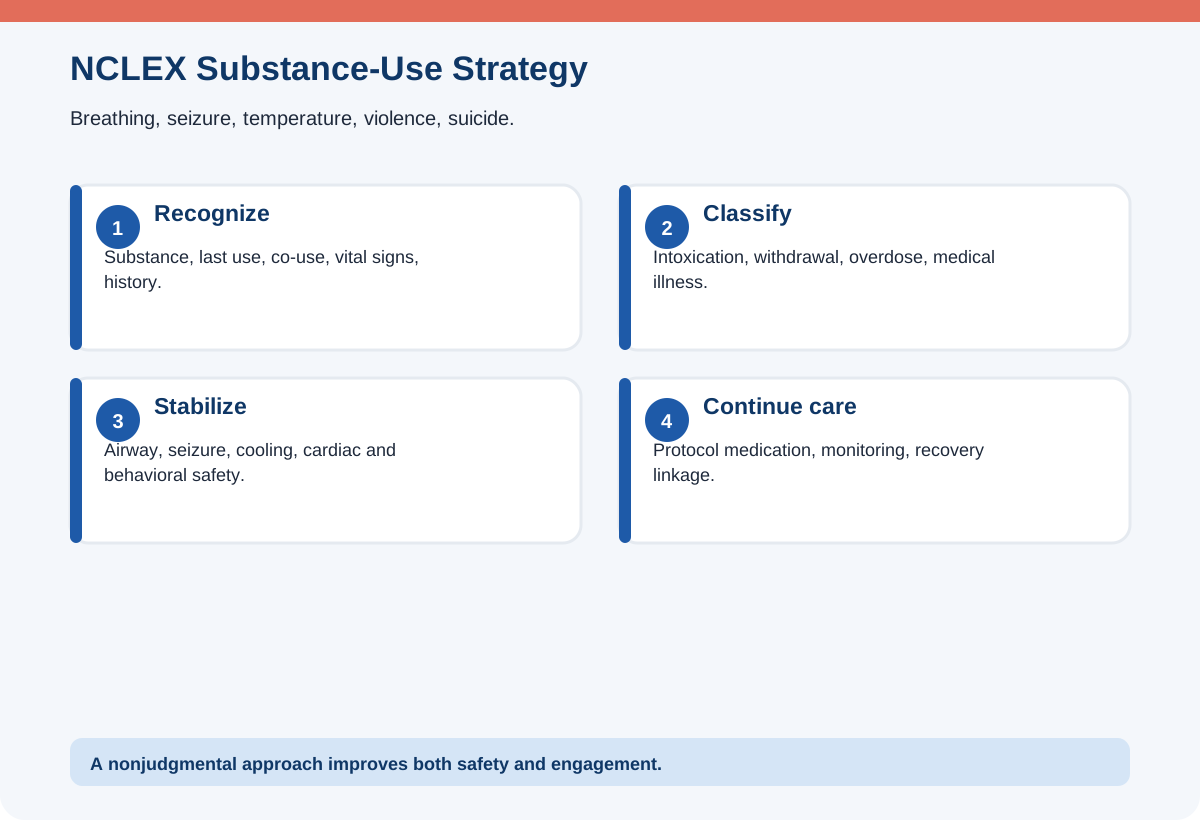
Recognize substance, last use, pattern, co-use, vital signs, breathing, glucose, temperature, mental status, pregnancy, trauma, and withdrawal history. Analyze whether the patient is intoxicated, withdrawing, medically ill, or experiencing both. Prioritize respiratory depression, seizure, delirium, hyperthermia, chest pain, violence, and suicide risk. Generate protocol-based treatment and environmental safety. Take action without stigma. Evaluate withdrawal scores, ventilation, hydration, cognition, behavior, and linkage to ongoing care.
Original practice scenarios with rationales
These are original educational examples written for RN Clarity. They are not copied, recalled, or represented as actual NCLEX® questions.
Scenario 1: Alcohol withdrawal escalation
Twelve hours after admission, a patient who drinks heavily develops tremor, sweating, tachycardia, visual hallucinations, and rising blood pressure.
Best response: Initiate or intensify the alcohol-withdrawal protocol, use seizure precautions, and give prescribed benzodiazepine treatment with close reassessment.
Rationale: The patient is progressing beyond mild withdrawal and is at risk for seizure and delirium.
Why the alternatives are weaker: Arguing about hallucinations increases distress. Waiting for a seizure delays prevention.
Scenario 2: Opioid overdose
A patient is unresponsive with a respiratory rate of 5/min after suspected fentanyl use.
Best response: Ventilate, activate emergency response, and give naloxone with repeat assessment and dosing as needed.
Rationale: Hypoventilation is the immediate life threat.
Why the alternatives are weaker: A withdrawal scale is not the first priority. Oral fluids create aspiration risk.
Scenario 3: Buprenorphine timing
A patient used a full opioid agonist recently but has no objective withdrawal and asks to start buprenorphine immediately.
Best response: Notify the prescriber and wait for the ordered induction criteria rather than giving it prematurely.
Rationale: Starting too early can precipitate severe withdrawal.
Why the alternatives are weaker: Giving more opioid without an order is unsafe. Naltrexone is also inappropriate without an opioid-free period.
Scenario 4: Stimulant hyperthermia
A severely agitated patient after methamphetamine use has a temperature of 40°C, chest pain, and tachycardia.
Best response: Treat as a medical emergency with cooling, cardiac monitoring, safety measures, and protocol-based sedation/treatment.
Rationale: Hyperthermia and cardiovascular symptoms can cause rapid organ injury.
Why the alternatives are weaker: A quiet room alone is insufficient. Confronting the patient may worsen agitation.
Scenario 5: Therapeutic statement
A patient says, “I failed again. There is no point in treatment.”
Best response: Respond, “You sound discouraged. Let’s look at what happened before you returned to use and what support would help now.”
Rationale: The response validates emotion and supports problem-solving without judgment.
Why the alternatives are weaker: “You must want it more” is blaming. False reassurance ignores hopelessness and suicide risk.
Common NCLEX® traps
- Opioid withdrawal confused with overdose. Withdrawal activates the body; overdose suppresses breathing.
- Alcohol withdrawal treated as behavior. Agitation and hallucinations may be a medical emergency.
- All withdrawal is harmless. Alcohol and benzodiazepine withdrawal can be fatal.
- Naloxone ends observation. Respiratory depression can recur.
- Flumazenil for chronic benzodiazepine use. It can provoke seizures and withdrawal.
- Scale replaces assessment. Scores can be unreliable in delirium or severe illness.
- Stigmatizing language. It reduces trust and does not improve safety.
- Discharge after detox without follow-up. Loss of tolerance and relapse create high overdose risk.
What to memorize and what to understand
Memorize the intoxication and withdrawal opposites, the life-threatening nature of alcohol and benzodiazepine withdrawal, the opioid overdose triad, and the major treatment medications. Understand why withdrawal scales support but do not replace assessment, why naloxone requires continued monitoring, and why recovery treatment includes medication, psychosocial support, and harm reduction.
The priority question is: is the patient not breathing, seizing, delirious, hyperthermic, violent, or suicidal? That threat comes before a detailed substance history.
A seven-day review plan
Day 1: Compare depressant intoxication and withdrawal. Day 2: Study alcohol timeline, seizures, delirium, thiamine, and benzodiazepines. Day 3: Study opioid overdose, naloxone, withdrawal, and buprenorphine/methadone/naltrexone. Day 4: Review benzodiazepine tapering and flumazenil risk. Day 5: Review stimulant cardiovascular, temperature, and psychiatric emergencies. Day 6: Practice therapeutic communication and limit setting. Day 7: Complete mixed scenarios and write a safe discharge plan that addresses overdose risk and follow-up.
Frequently asked questions
Which withdrawals can be life-threatening?
Alcohol and benzodiazepine withdrawal can cause seizures, delirium, and autonomic instability.
Is opioid withdrawal dangerous?
It is usually not fatal in a healthy adult, but dehydration, pregnancy, comorbid illness, and relapse/overdose risk can make it serious.
Why may naloxone need repeat dosing?
Many opioids last longer than naloxone, so respiratory depression can recur.
What medications treat opioid use disorder?
Buprenorphine, methadone, and extended-release naltrexone are evidence-based options for appropriate patients.
What is the first priority in stimulant intoxication?
Treat hyperthermia, cardiovascular instability, seizure, and unsafe agitation as medical emergencies.
How should nurses speak about addiction?
Use nonjudgmental person-first language, validate emotion, set clear safety limits, and support treatment choices.
Final rapid-review checklist
- I distinguish intoxication from withdrawal.
- I recognize alcohol and benzodiazepine withdrawal emergencies.
- I support ventilation and use naloxone for opioid overdose.
- I know opioid withdrawal and overdose have opposite patterns.
- I monitor temperature and cardiac status in stimulant intoxication.
- I use withdrawal scales with clinical assessment.
- I use person-first, nonjudgmental communication.
- I include medication treatment, naloxone, and follow-up in discharge planning.
Sources and further reading
- NCSBN, 2026 NCLEX-RN® Test Plan: https://www.nclex.com/test-plans.page
- SAMHSA, substance use treatment options: https://www.samhsa.gov/substance-use/treatment
- SAMHSA, medications for substance use disorders: https://www.samhsa.gov/substance-use/treatment/options
- National Institute on Drug Abuse, treatment and overdose resources: https://nida.nih.gov/
- CDC, opioid overdose prevention: https://www.cdc.gov/overdose-prevention/
Educational disclaimer
RN Clarity provides educational study support only. This article is not medical advice, does not replace a nursing program, clinical instructor, employer policy, or current provider order, and is not affiliated with or endorsed by NCSBN, Pearson VUE, or the NCLEX-RN® program. In an actual clinical setting, follow current laws, facility policies, approved references, and the directions of the responsible licensed clinician.
Structured data
{
  "@context": "https://schema.org",
  "@graph": [
    {
      "@type": "BlogPosting",
      "headline": "NCLEX-RN® Substance Use and Withdrawal: Alcohol, Opioids, Benzodiazepines, and Stimulants",
      "description": "Learn alcohol, opioid, benzodiazepine, and stimulant intoxication and withdrawal, emergency priorities, medications, and therapeutic nursing care.",
      "mainEntityOfPage": {
        "@type": "WebPage",
        "@id": "https://rnclarity.com/blog/nclex-rn-substance-use-withdrawal-alcohol-opioids-benzodiazepines"
      },
      "url": "https://rnclarity.com/blog/nclex-rn-substance-use-withdrawal-alcohol-opioids-benzodiazepines",
      "datePublished": "ACTUAL_FIRST_LIVE_DATE",
      "dateModified": "ACTUAL_FIRST_LIVE_DATE",
      "author": {
        "@type": "Organization",
        "name": "RN Clarity"
      },
      "publisher": {
        "@type": "Organization",
        "name": "RN Clarity"
      },
      "inLanguage": "en-US",
      "isAccessibleForFree": true,
      "about": [
        "NCLEX-RN® examination",
        "Nursing education",
        "NCLEX® substance use and withdrawal"
      ]
    },
    {
      "@type": "BreadcrumbList",
      "itemListElement": [
        {
          "@type": "ListItem",
          "position": 1,
          "name": "Home",
          "item": "https://rnclarity.com/"
        },
        {
          "@type": "ListItem",
          "position": 2,
          "name": "Blog",
          "item": "https://rnclarity.com/blog"
        },
        {
          "@type": "ListItem",
          "position": 3,
          "name": "NCLEX-RN® Substance Use and Withdrawal: Alcohol, Opioids, Benzodiazepines, and Stimulants",
          "item": "https://rnclarity.com/blog/nclex-rn-substance-use-withdrawal-alcohol-opioids-benzodiazepines"
        }
      ]
    },
    {
      "@type": "FAQPage",
      "mainEntity": [
        {
          "@type": "Question",
          "name": "Which withdrawals can be life-threatening?",
          "acceptedAnswer": {
            "@type": "Answer",
            "text": "Alcohol and benzodiazepine withdrawal can cause seizures, delirium, and autonomic instability."
          }
        },
        {
          "@type": "Question",
          "name": "Is opioid withdrawal dangerous?",
          "acceptedAnswer": {
            "@type": "Answer",
            "text": "It is usually not fatal in a healthy adult, but dehydration, pregnancy, comorbid illness, and relapse/overdose risk can make it serious."
          }
        },
        {
          "@type": "Question",
          "name": "Why may naloxone need repeat dosing?",
          "acceptedAnswer": {
            "@type": "Answer",
            "text": "Many opioids last longer than naloxone, so respiratory depression can recur."
          }
        },
        {
          "@type": "Question",
          "name": "What medications treat opioid use disorder?",
          "acceptedAnswer": {
            "@type": "Answer",
            "text": "Buprenorphine, methadone, and extended-release naltrexone are evidence-based options for appropriate patients."
          }
        },
        {
          "@type": "Question",
          "name": "What is the first priority in stimulant intoxication?",
          "acceptedAnswer": {
            "@type": "Answer",
            "text": "Treat hyperthermia, cardiovascular instability, seizure, and unsafe agitation as medical emergencies."
          }
        },
        {
          "@type": "Question",
          "name": "How should nurses speak about addiction?",
          "acceptedAnswer": {
            "@type": "Answer",
            "text": "Use nonjudgmental person-first language, validate emotion, set clear safety limits, and support treatment choices."
          }
        }
      ]
    }
  ]
}